Two Stories, One Country: India's Public Works Puzzle
A Rs 7,000-crore expressway section failed in nine weeks while a senior nutrition scientist warned no single food suffices for children. Together they expose the gap between spend and outcome.
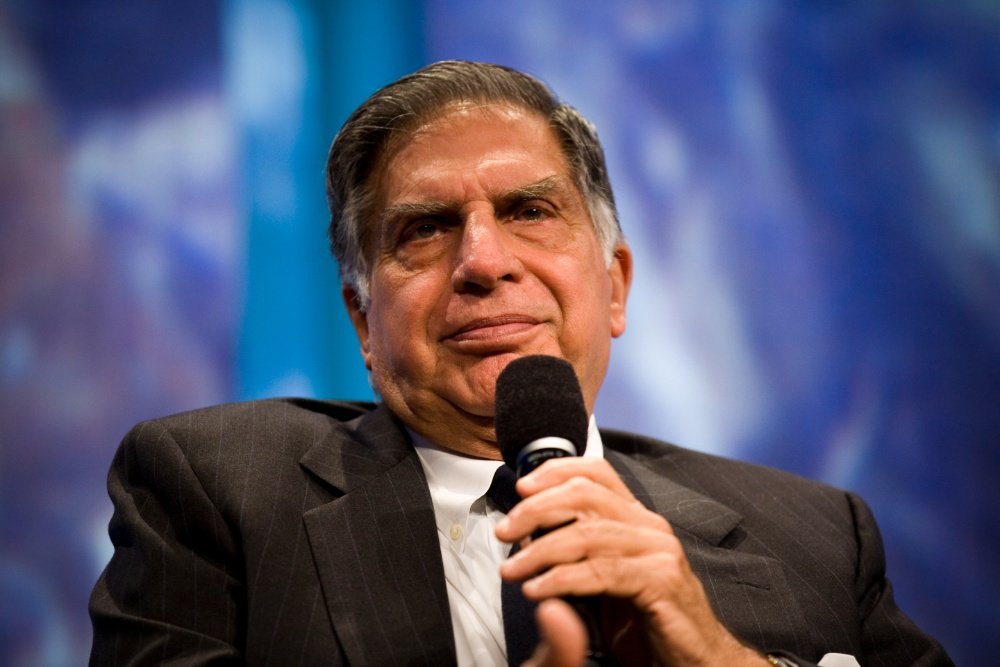
A 7000-crore-rupee stretch of the Mumbai-Pune Expressway reportedly failed within nine weeks of being laid, according to The Indian Express on 6 July 2026. The same morning, in a separate dispatch, the director of the National Institute of Nutrition (NIN) cautioned that no single food, eggs included, can carry a child's diet on its own. Two Indian Express stories, separated by geography and subject, share a quiet throughline: the gap between what India's public systems spend and what they deliver.
The contradiction is not abstract. One story is about concrete; the other about calories. Both sit at the heart of how India's federal and state governments allocate capital and attention, and both speak to a wider anxiety that headline outlays are no longer a reliable proxy for citizen outcomes.
The expressway that forgot its own warranty
The Indian Express reported that a Rs 7,000-crore section of the Mumbai-Pune Expressway had "crumbled" within nine weeks of completion, an unusually short lifespan for a corridor that carries some of the country's heaviest intercity traffic. The report, surfaced via Telegram on the morning of 6 July 2026, did not specify which segment of the route was affected, which contractor held the work order, or which government audits, if any, had validated the failure. Those gaps are the story.
Expressways in India are typically tendered as build-operate-transfer or hybrid annuity packages, with defect-liability periods running from several months to several years. When a freshly laid surface fails inside a single monsoon cycle, the available explanations are narrow: substandard material, accelerated construction to meet a deadline, weak supervision, or a combination of the three. The Indian Express's framing leaned on the most embarrassing of these — that the public paid for a road that could not survive its own first rainy season. Whether officials dispute that framing is not yet on the public record from the source material available.
Counterpoint: an expressway is a moving target
The dominant reading — corruption or incompetence — is not the only one on offer. Expressway failures can also reflect the punishing combination of overloaded heavy-goods traffic, monsoon intensity, and design choices that optimise for opening speed rather than lifecycle cost. It is plausible, given how often wire reporting on Indian infrastructure plays out, that the eventual inquiry finds process failure rather than theft. That distinction matters: a contractor who cut corners to win a bid and a state that specified a design unsuited to the corridor's axle load look very different in the audit register. The Indian Express report, as cited, leaves room for both explanations without resolving either.
What a nine-week failure has to do with a 1,400-calorie debate
The second Indian Express item, also surfaced 6 July 2026, carried a sharper policy texture. The director of the National Institute of Nutrition reportedly pushed back against the assumption that any single food — eggs included — is sufficient for children's nutritional needs. The framing matters in a country where state menus for schools, anganwadis, and mid-day meals have long been contested between protein-rich options and vegetarian orthodoxy.
What the NIN director is reported to be saying, in the plain editorial reading, is that dietary diversity is the variable that matters, not the inclusion of a single prestige item. A child can eat an egg a day and still fail to thrive if iron, folate, and caloric density are absent. The position is mainstream within nutrition science and is, on the evidence of decades of supplementation programmes in South Asia, hard to dispute. Its political weight is heavier: it undercuts campaigns that try to settle the eggs-versus-vegetarian debate with a single policy lever.
Structural read: spend without outcome
The two stories, taken together, describe a single structural problem. India is a country that consistently budgets at scale — whether for expressway corridors or for supplementary nutrition — and consistently lags on outcome metrics. The mechanism is familiar: tender documents that price ambition rather than durability, and welfare schemes that price inputs rather than effects. A nine-week road surface is the built-infrastructure version of an egg-only school meal: a line item that produces the appearance of action without the substance of result.
Neither report, on its own, settles the question of whether the problem is corruption, capacity, or design. The honest read is that India has the fiscal space to do both things well — its public-works and welfare budgets are large in absolute terms — and is not always converting that fiscal space into durable assets or measurable health gains. The bottleneck is not money. It is the layer between allocation and delivery: contracting supervision, performance auditing, and the willingness to walk away from underperforming vendors.
Stakes: what the next twelve months make visible
If the expressway audit, when it lands, produces names and clawback clauses, the signalling effect on the wider road-building sector will be real. Contractors pricing future bids will adjust; supervising engineers will be watched more closely. If the audit produces a press release and no penalties, the dominant lesson is the cheaper one — that nine-week failures are costless, which would be the worst possible verdict for the next corridor commissioned.
On the nutrition side, the stakes are slower-burning but heavier. A generation of children eating single-food supplementation is a generation whose cognitive and physical development is shaped by the policy choices made now. The NIN director's intervention, if reported accurately, is a vote against symbolic nutrition, and an argument for the slower, less photogenic work of dietary diversification.
What remains uncertain
The source material available does not name the contractor behind the failed expressway stretch, does not disclose the magnitude or geographic specificity of the damage beyond the corridor-level figure, and does not carry an immediate official rebuttal. It likewise does not record which Indian state or union-territory nutrition scheme the NIN director was addressing, or whether his remarks were a press interview, a parliamentary submission, or internal guidance. Those gaps will narrow as follow-up reporting lands; until then, the ledgers remain open. What is already visible is enough: a 7000-crore road surface that did not last a season, and a senior scientist on the record with a quieter, harder truth.
Desk note: Monexus treated these as two items from one news cycle, not as a single combined story. The throughline — spend not converting to outcome — is editorial; the two Indian Express dispatches are the documented inputs.