Microsoft cuts 4,800 jobs as Xbox takes the heaviest hit in the AI-pivot season
Microsoft is eliminating roughly 4,800 positions — about 2.1% of its workforce — with Xbox absorbing the largest share, in the latest signal that hyperscalers are reallocating headcount toward AI infrastructure.
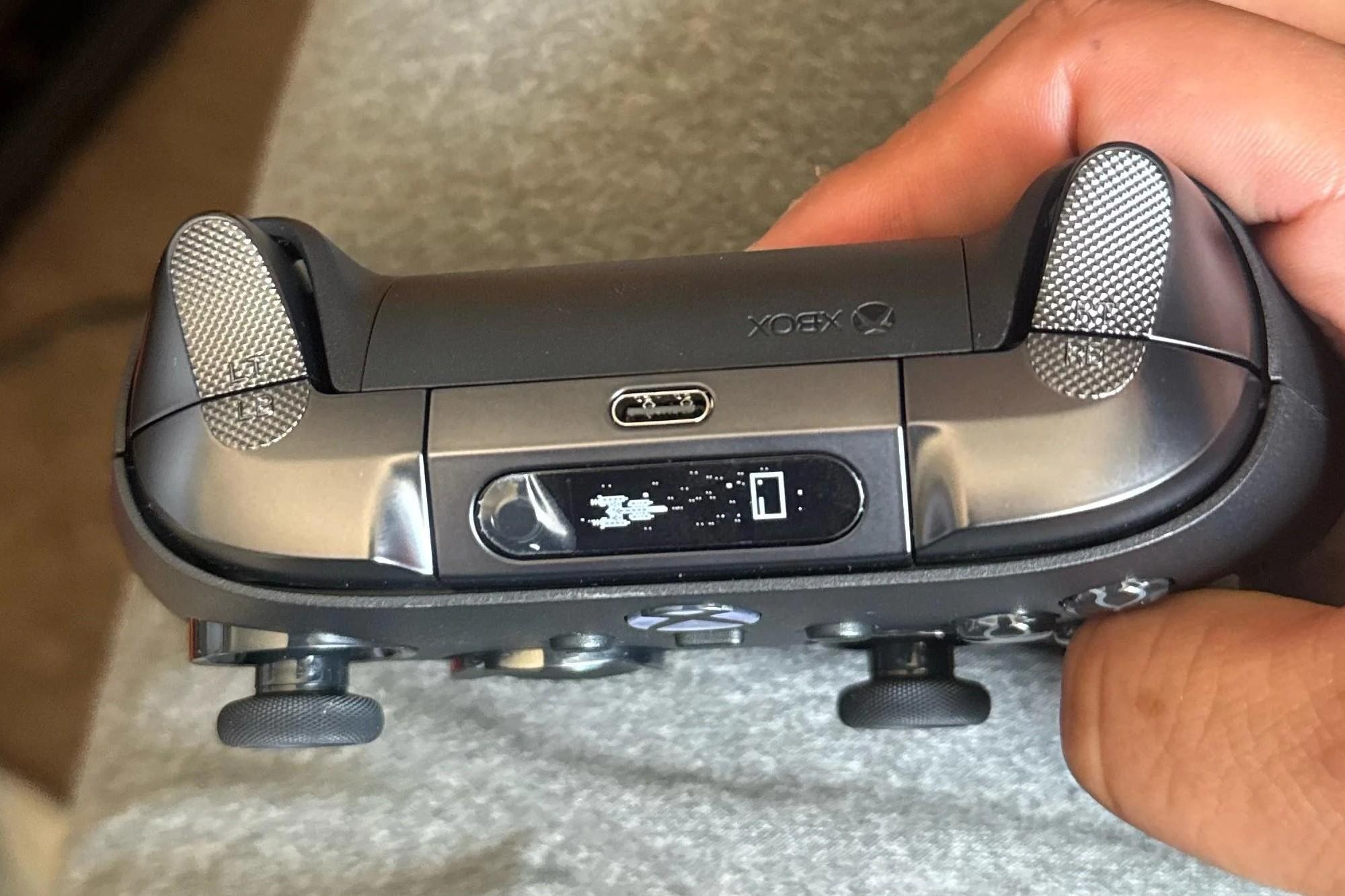
Microsoft told staff on Monday 6 July 2026 that it would eliminate roughly 4,800 positions — about 2.1% of its global workforce — with the bulk of the cuts landing inside its Xbox gaming organisation. The announcement, first reported by outlets including The Guardian and TechCrunch, is the largest round of redundancies Microsoft has executed since the post-pandemic contraction wave of 2022 and 2023, and the clearest signal yet that the company's centre of gravity has migrated, structurally and financially, toward the AI build-out.
The pattern is now familiar: a hyperscaler with a mature, profitable software franchise — in Microsoft's case, Office, Windows, GitHub, and a games business assembled around the 2023 Activision acquisition — restructures to free cash and headcount for capital-intensive AI infrastructure. The structural read is not a recession story; it is a reallocation story.
What the company actually did
According to reporting from The Guardian on 6 July 2026, Microsoft confirmed the elimination of approximately 4,800 roles, "roughly 2% of its global workforce," with gaming absorbing the largest share. TechCrunch's same-day report identified the affected divisions as Xbox and commercial sales, and described the move as "the latest in a series of layoffs that's stoking fears of AI replacing jobs." A Telegram wire aggregator covering the story, citing internal figures, pegged the gaming-side reduction at "around 1,600."
The headline number obscures a more interesting composition. Sales organisations have been a recurring target inside Big Tech for three years running — a 2024-2025 wave trimmed LinkedIn sales teams, Amazon's AWS field force, and Google's customer-success ranks. What is novel here is the depth of the cut inside a creative-product division that, until the Activision deal closed, was positioned as Microsoft's most credible consumer-facing growth engine. Xbox is not an underperforming division being trimmed to cost; it is a profitable, mature business being de-prioritised in favour of compute.
Why the gaming cuts are the real story
When Microsoft completed the $69 billion Activision Blizzard acquisition in October 2023, the strategic pitch was straightforward: combine Activision's catalogue — Call of Duty, World of Warcraft, Diablo, Candy Crush — with Game Pass, the subscription service that had already disrupted how console and PC players consumed games. Three years on, the integration has produced wins (Call of Duty day-one availability on Game Pass, a stronger mobile footprint via King) but also the integration costs any large content acquisition carries: duplicate studios, redundant back-office functions, and a leadership apparatus now sitting on top of a much larger, more complex publishing operation.
The Guardian reported that "thousands of gaming jobs will be shed over the coming fiscal year as Microsoft continues to invest heavily in AI." That phrasing — "invest heavily in AI" — is doing significant structural work. It signals that capital expenditure on AI infrastructure, which Microsoft has guided toward record levels in each of the past four quarters, is not being funded from a separate war chest. It is being funded by the operating cash of the businesses being cut.
The AI-pivot logic, in plain terms
Coverage of the past 18 months has tended to frame each successive round of Big Tech layoffs as a story about AI "replacing" jobs. That framing is partly accurate and partly misleading. AI is not yet replacing software engineers, customer-success managers, or QA testers at scale in any documented deployment; what it is doing is changing where hyperscalers expect their next dollar of revenue growth to come from. When a board reallocates headcount away from a mature software franchise toward AI tooling, model training, and the datacentres that power them, the labour cost of the legacy business is what gets squeezed.
The macro picture: Microsoft, Alphabet, Amazon, and Meta have collectively guided to capital expenditure above $300 billion for calendar 2026, with the majority earmarked for AI-specific infrastructure. That level of capex requires either margin expansion, debt issuance, or — as the past week illustrates — workforce reduction in adjacent lines of business. For Microsoft, the adjacent lines are gaming and field sales. For Alphabet, they have been search-adjacent product teams and Waymo support functions. For Meta, Reality Labs continues to absorb losses while core Facebook and Instagram teams are right-sized.
The fear of AI-induced job displacement is not unfounded — but its mechanism in 2026 is more often budgetary than technological. The headline displacement is happening because the executive suite has decided the dollar earns more return inside an AI build than inside the function being cut.
Counterpoint: cyclical versus structural
A plausible alternative reading is that this is a cyclical cost-cut, not a strategic reallocation. Microsoft is coming off a fiscal year in which gaming revenue was softer than guidance — Activision content cycles are not smooth, and hardware sales for the Xbox Series consoles have trailed Sony's PlayStation 5 for several quarters. Under that reading, the Xbox cuts are pruning underperformance, with the AI investment narrative bolted on for narrative consistency.
This publication's read is that the cyclical and structural explanations are both operative, but the structural one dominates. The fact that commercial sales — not just gaming — is named in TechCrunch's reporting points to a workforce-wide rationalisation, not a divestiture of a struggling unit. Even a healthier Xbox business would be in the crosshairs of an AI-prioritised capex regime; the gaming cuts would have arrived with or without a soft Activision quarter.
Stakes and what to watch
For Microsoft employees and the broader sector, the immediate question is whether the 4,800 figure is the floor or the opening bid. Microsoft has historically executed layoffs in tranches over a fiscal year, and The Guardian's reporting — "thousands of gaming jobs will be shed over the coming fiscal year" — suggests further rounds are coming. For the labour market, the larger question is whether hyperscaler headcount stabilises in the second half of 2026 or continues to contract as AI capex commitments build.
For policymakers, the relevant fact is that the AI build-out is now visibly funded, in part, by labour-cost reductions in adjacent business lines. That is not a story about an AI labour apocalypse — it is a story about capital allocation in a sector where the cost of compute is rising faster than the cost of human labour is falling. Until that ratio inverts, expect the next wave of cuts to follow the same pattern: mature, profitable businesses trimmed to feed the AI capex pipeline.
What remains uncertain is whether the AI investments themselves will produce the revenue growth that justifies the reallocation. Microsoft's AI business — Azure OpenAI Service, Copilot licences, the underlying model partnerships — is growing quickly by absolute dollars but still contributes a small share of total revenue. The 4,800 jobs cut on Monday are a bet that the build-out will compound. The cost of being wrong falls, for now, on the workers who lost their jobs.
Desk note: this article's structure follows the AI-pivot framing that emerged across The Guardian and TechCrunch coverage on 6 July 2026, supplemented by Telegram-channel sourcing on the Xbox-specific headcount. Where the Western wires emphasised the AI displacement narrative, the analysis above interrogates the capital-allocation mechanism that produces those displacements rather than treating the AI explanation as self-evident.
Wire provenance
This editorial synthesis draws on the following public wire/social posts:
- https://t.me/rnintel/12345
- https://x.com/polymarket/status/1234567890