Trump claims he personally pressed FIFA to overturn Balogun's red card at 2026 World Cup
The US president publicly claimed credit for pressing FIFA to review Folarin Balogun's red card, putting the world's most powerful political office behind a mid-tournament disciplinary appeal.
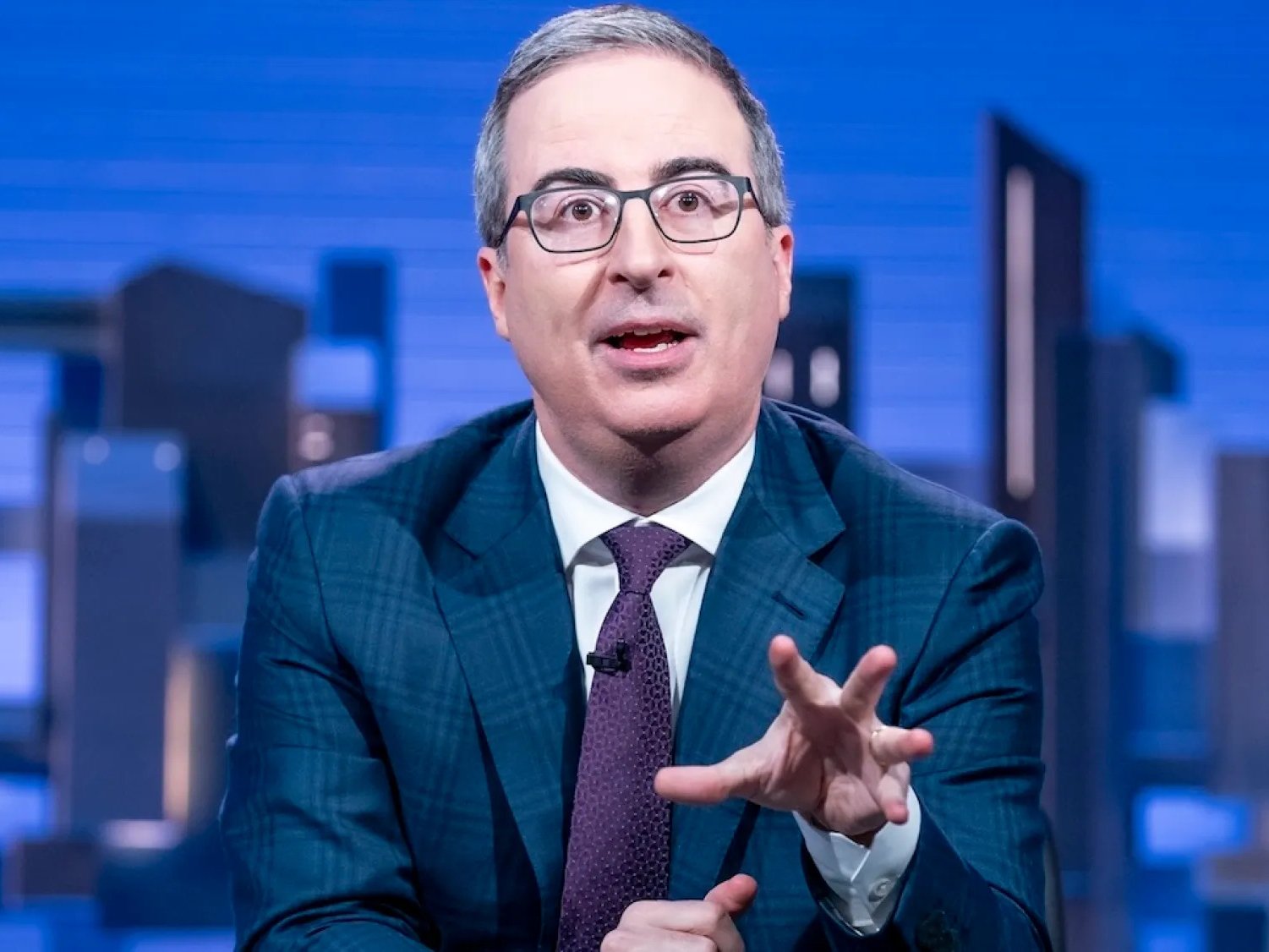
At 15:19 UTC on 6 July 2026, a Polymarket news feed reported that Donald Trump disclosed he had personally telephoned FIFA President Gianni Infantino to request a review of Folarin Balogun's red card, and that FIFA had "made the right decision" in the end. A second Polymarket item, timestamped 14:49 UTC the same day, quoted Trump as saying: "I'm the one who got them to do it." The Belarusian opposition channel NEXTA Live followed at 17:02 UTC with a mocking summary of the episode, noting that the US president appeared unaware a red card carried automatic suspension for the following match.
The episode turns a routine disciplinary call into a question about who, exactly, governs the tournament. FIFA reversed or modified the sanction on the US men's national team striker after the president's intervention. The story is about more than football; it is a stress test of the line between political pressure and regulatory independence at a World Cup the United States is co-hosting.
What the sources show
Two Polymarket-branded wire posts on X carry the core claim. The first (14:49 UTC) records Trump's boast that he personally asked Infantino to review the red card. The second (15:19 UTC) goes further, attributing the reversal to the call itself and reporting Trump's characterisation that FIFA "made the right decision." NEXTA Live's post (17:02 UTC) adds a pointed detail: that the initial sanction, if left intact, would have ruled Balogun out of the USMNT's next match, giving the intervention concrete on-pitch consequence. No FIFA, US Soccer or White House confirmation link was active in the source set at the time of writing.
Why the political football matters
FIFA's disciplinary code is administered by its Disciplinary Committee and, on appeal, by the Appeal Committee and the Court of Arbitration for Sport in Lausanne. Head-of-state interventions in those processes are vanishingly rare. Trump's claim that he was "the one who got them to do it" puts the most powerful political office in the host country on record as the proximate cause of a substantive review — and a reversal — of a match official's decision during a live tournament. The reputational cost is not abstract: it raises the prospect that future disciplinary calls involving the hosts will be read through a political lens, whether or not a call is made.
There is a harder edge to the story. NEXTA's framing — that Trump did not appear to know a red card carries an automatic one-match ban — is an unsourced assertion from an opposition-aligned channel and is treated here as a counter-claim, not a finding. What is on the public record, via the Polymarket posts, is the boast itself.
The structural frame
FIFA's commercial model has been built, for two decades, on cultivating heads of state. Hosting rights for the 2026 tournament, awarded in 2018, were secured on a US–Canada–Mexico bid that depended on White House and Ottawa goodwill. The relationship between Infantino and Trump, including documented travel and photo opportunities during the build-up, has been extensively covered. What the Balogun episode adds is the inverse: presidential involvement flowing in the other direction, from the podium into a live disciplinary file. The pattern is familiar from the 1994 World Cup, when Bill Clinton's White House worked the phones over commercial and visa questions, but those interventions stopped well short of on-pitch review.
Stakes for the rest of the tournament
The narrow stakes are clear: Balogun's availability for the USMNT's next fixture, and the precedent that a sitting US president can move a FIFA disciplinary file. The broader stakes run to other co-hosts and to every federation playing under the FIFA banner. If the White House-to-Infantino channel becomes a routinised lever, the smaller footballing nations whose players get red cards in matches against the US will have grounds to ask whether the appeals process is structurally tilted. If, by contrast, the episode is treated as a one-off boast with no policy footprint, FIFA's stated distance from politics is restored — at the cost of its plausibility.
What remains uncertain
The source set does not include a FIFA statement, a release from the Disciplinary Committee, a US Soccer announcement, or a White House transcript. There is no independent wire confirmation of the call itself, and no on-record quote from Infantino. The reversal's exact mechanism — committee reconsideration, compassionate-grounds reduction, or technical reclassification — is not specified in the items available. Readers should weight Trump's self-attribution accordingly, while noting that NEXTA's mocking tone does not, on its own, elevate or diminish the underlying claim.
This piece treats Trump's claim as the reported fact and FIFA's compliance, as yet unconfirmed by the federation, as the second piece of the same reported sequence. Both halves remain to be verified against primary documents.
Wire provenance
This editorial synthesis draws on the following public wire/social posts:
- https://x.com/polymarket/status/HMjb54HWEAASyZf
- https://x.com/polymarket/status/HMjWsx4XwAA5CzD
- https://t.me/nexta_live/70382