Alabama Shakes return: a Southern rock reunion after eleven years of silence
After more than a decade away, Alabama Shakes have announced their first studio album since 2015. The record, due in late August, lands as the Athens, Alabama band enters a music industry far less interested in guitar bands than the one they left.
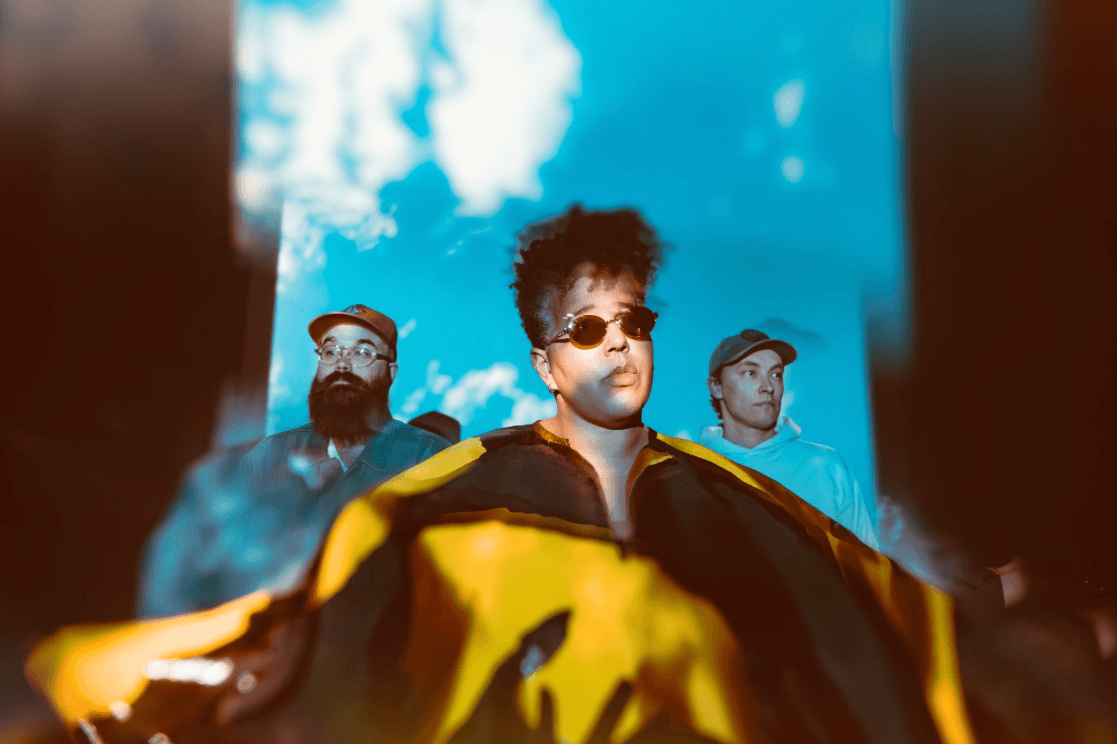
On 7 July 2026, Pitchfork reported that Alabama Shakes will release I Must Be Dreaming, their first studio album in eleven years, on 28 August 2026. The Athens, Alabama band broke through in 2012 with Boys & Girls and consolidated their reputation three years later with Sound & Color, the record that won them multiple Grammy Awards and carried Brittany Howard's bruised, gospel-tinged vocals deep into the mainstream. The group's near-total disappearance from public life after that peak became one of the more durable mysteries of the 2010s rock press: a popular, critically loved unit that simply stopped recording.
What makes the announcement more than a tidy reunion story is the industry environment the band is re-entering. The guitar-and-voice group that defined Alabama Shakes' early identity is, in 2026, a minority format on radio and a smaller one on streaming platforms built around playlist curation. The reunion therefore reads less as revival and more as a test: can a record that prizes band interplay and rootsy atmospherics still find a commercial foothold in a market that has rewarded solo stars and rapid release cycles?
The long pause and what changed
Alabama Shakes' silence is not unusual for a working rock band, but it is unusual at their commercial peak. Brittany Howard's solo work — Jaime in 2019 and a follow-up project under the name Jamie xx-adjacent circles — kept her profile alive outside the band's name, while the rest of the band pursued sideman and production credits. The eleven-year gap between Sound & Color and I Must Be Dreaming is the longest stretch between studio records in the band's career, longer than the full lifespan of some of the indie-rock acts the Shakes influenced.
According to Pitchfork's 7 July 2026 reporting, the band have framed the record as a deliberate choice rather than a delayed one. The longer interval, by that account, reflects a writing process that resisted studio deadlines. The framing gives the group a way to claim artistic seriousness on return — a useful posture for legacy rock acts that have to compete for attention with newer formats.
A market that no longer waits
The structural question for the album is whether listeners will. Recorded-music revenue in the United States has grown for several consecutive years, but that growth has been carried by streaming subscriptions, hip-hop, country crossover, and Latin music — categories in which Alabama Shakes do not really compete. Album-equivalent units for rock releases from bands without recent singles are typically built on catalogue, nostalgia, and critical coverage rather than first-week fanbase turnout. A long-awaited rock reunion can move hardware; it cannot manufacture the algorithmic tail a streaming release from a chart-active artist can.
That gap is not a flaw in the record but a feature of how listening now works. Platforms built around personalisation tend to compress the lifespan of any release whose appeal is concentrated on existing fans. A band whose commercial identity was built on radio play in 2012 has to renegotiate its audience, song by song, with a service that treats catalogue tracks and new releases by the same artist as a continuous stream.
Why the reunion matters beyond sales
The cultural weight of the announcement is real even if the commercial one is uncertain. Alabama Shakes were the closest American analogue, in the early 2010s, to a British guitar band: a regional unit whose sound mixed blues, soul, and rock idioms into something specific, anchored by a vocalist of unusual emotional range. Their return is a reminder that the indie-rock and Southern-rock traditions from which they emerged — Muscle Shoals, Athens, the larger Alabama and Tennessee circuit — still produce artists with crossover reach. The band's hiatus also illustrates how artist-friendly economics now favour the kind of pause Howard effectively took: independent releases, side projects, and selective touring all generate income that did not exist when the group's first record landed.
For listeners, the test of I Must Be Dreaming will be whether the band can sound like themselves after the long break. The Pitchfork reporting does not detail the album's sound or its lead single, leaving that question open until closer to release. The honest summary is that we do not yet know whether the record leans on the dense, psychedelic Sound & Color approach or reaches back toward the looser Boys & Girls feel. Both would be plausible; either would tell a different story about what eleven years of silence produced.
What to watch into late August
Three things will determine whether this return registers as a true event or a curio. First, the lead single and its performance on adult-oriented rock radio, the format closest to the band's natural audience. Second, the touring footprint around the release — whether Alabama Shakes book arenas, festivals, or theatre dates will signal how the industry reads demand. Third, the album's critical reception, which for an act of this profile tends to be dispositive: the press will decide whether I Must Be Dreaming belongs in the lineage of the band's earlier work or is filed as a late-career release.
The band have offered no indication, in the reporting so far, of a full promotional cycle beyond the standard release window. That restraint is consistent with how they handled their peak years. Whether it still fits the audience-attention economy of 2026 is the part the next seven weeks will answer.
This publication framed the announcement around the industry context rather than the personal backstory, on the view that the more interesting question is how a guitar-rooted band returns to a market optimised for different formats.