Ankara summit puts NATO's fraying discipline back on the table
A Trump-era bid to re-engage Ankara on the F-35 collides with European anxieties about US troop posture and alliance discipline, exposing the gap between Washington's transactional instincts and the alliance's stated red lines.
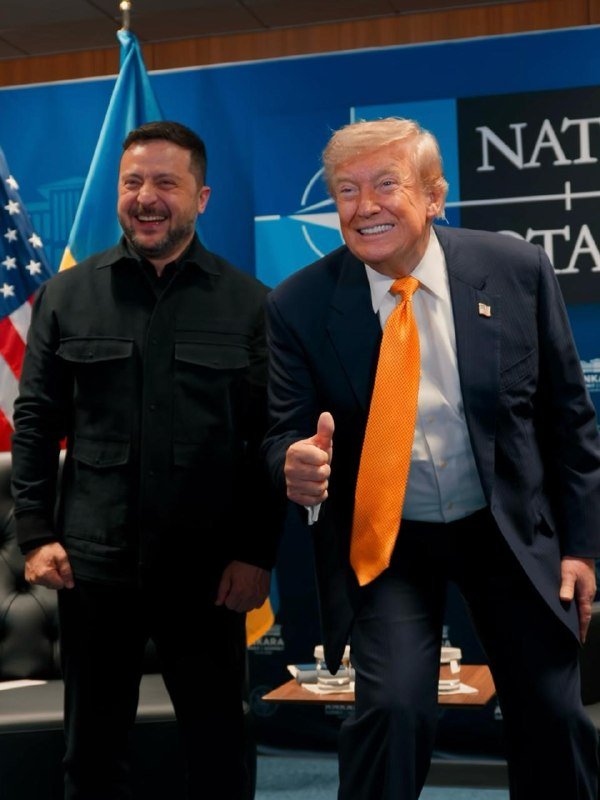
Ankara is bracing for a summit that looks, on paper, like a routine alliance gathering and in practice like a stress test. As of Tuesday, 7 July 2026, NATO-watchers tracking the OSINTdefender channel warn that the meeting could be derailed by tensions with the Trump administration, particularly around US troop withdrawals and the divergent way allies have answered the White House. The same channel separately reports that President Donald Trump is expected to back the sale of F-35 fighter jets to Turkey during the visit, despite the legal and congressional hurdles that have stalled the programme for nearly a decade.
The collision is structural, not atmospheric. Turkey has been locked out of the F-35 programme since Ankara acquired Russian S-400 air-defence systems in 2019. The Trump administration itself imposed the countermeasures under the Countering America's Adversaries Through Sanctions Act (CAATSA) framework, and Congress codified restrictions through successive defence bills. Now the same administration's instinct — sell the jets, paper over the disagreements, monetise the relationship — is colliding with the legal architecture it built. A reversal on F-35s would not just rewrite Turkey's air-force plans; it would signal that strategic-buying decisions from allies can be unmade by the next White House occupant.
What Ankara actually wants
The Turkish demand set is well-rehearsed: restoration of F-35 deliveries, a parallel solution on S-400s that protects Turkey's air-defence perimeter, and movement on the country's requests for F-16 modernisation. Erdogan's government frames the F-35 question in sovereignty terms — that a NATO ally was, in effect, penalised for buying a Russian system to defend itself from a missile threat its allies would not close. The reading is that the alliance treated a strategic outlier decision as a strategic betrayal. Turkish officials have held that line consistently for six years. The reporting circulating on 7 July suggests Trump is now willing to validate it.
The case the critics make inside Washington is narrower and uglier. CAATSA sanctions exist because allowing an ally to plug a Russian sensor suite into a US fifth-generation platform is a compromise the United States has decided it cannot absorb, regardless of the size of the ally's army. The Pentagon's standing position, restated across administrations, is that the F-35's sensor, datalink, and electronic-warfare architecture cannot co-exist with systems that Moscow can read.
Where Europe stands
European NATO members read the Ankara visit through a different lens. The fear, as OSINTdefender summarises it, is not that the summit will fail spectacularly but that it will succeed transactionally — a side-deal here, a withdrawal concession there — and that the rest of the alliance will absorb the cost of decisions they were not party to. US troop posture on the eastern flank, the Baltic air-policing rotation, and the resupply corridors that run through Incirlik and other Turkish bases all sit inside the same dependency chart. Any movement on Turkish terms is, by definition, a movement against the European consensus that has held since 2022.
Equally uncomfortable for Ankara: the framing inside most continental European chancelleries is that Turkey's demands are not unreasonable so much as impossibly timed. A Trump-friendly readout, in that view, becomes a Trump-specific readout — one the next administration, or the next Congress, can unwind on its own schedule.
The structural frame
The deeper pattern is the blurring of two logics that the alliance spent seventy years keeping separate. NATO's founding premise was that members submitted their bilateral disputes and procurement decisions to a supranational discipline in exchange for a collective defence guarantee. That bargain is now being re-bargained, transaction by transaction, around the Trump-era conviction that alliances are balance sheets. Ankara's F-35 bid is the test case — and the stress is not whether the jets move, but whether the precedent normalises a market in which any NATO member can buy its way back in by waiting out a single presidency.
For Western capitals that have spent the past three years rebuilding deterrence on the eastern flank, that precedent is not academic. If the F-35 reset goes through, the next member-state that wants a piece of the next restricted programme knows exactly the price — wait, complain, find a transactional president, and renegotiate.
What the sources don't settle
The reporting available on 7 July is anchored in open-source channels and is forward-looking rather than confirmatory. Two claims drive the narrative: that Trump will support an F-35 sale to Turkey during the summit, and that the summit itself faces disruption from US troop-withdrawal disagreements. Neither has been verified through direct US or Turkish official statements in the material at hand; the framing is one of expectation and risk rather than announced decision. Read with restraint: the meeting is the event; the outcomes are still being priced.
The stakes tighten if the Ankara reading room breaks down. A summit that produces a US-Turkey side-deal without allied consensus hands Moscow the easiest narrative it could ask for — that the alliance is hollowed out by bilateral horse-trading. A summit that produces instead a public reaffirmation of the existing F-35 line sends a different message: that the costs of the S-400 purchase remain what they were, regardless of which party holds the White House. Both outcomes are plausible; neither is yet settled.
This piece leans on open-source reporting circulating ahead of the Ankara summit; Monexus has treated those channels as scaffolding and read the underlying claims with appropriate caution ahead of official confirmation.
Wire provenance
This editorial synthesis draws on the following public wire/social posts:
- https://t.me/s/OSINTdefender
- https://t.me/s/OSINTdefender
- https://t.me/s/osintdefender
- https://t.me/s/osintdefender