Argentina's 2-0 escape: how the champions found a knockout round at the death
Down two goals and heading out, the reigning champions summoned a second-half rescue mission that keeps their title defence alive and resets the bracket.
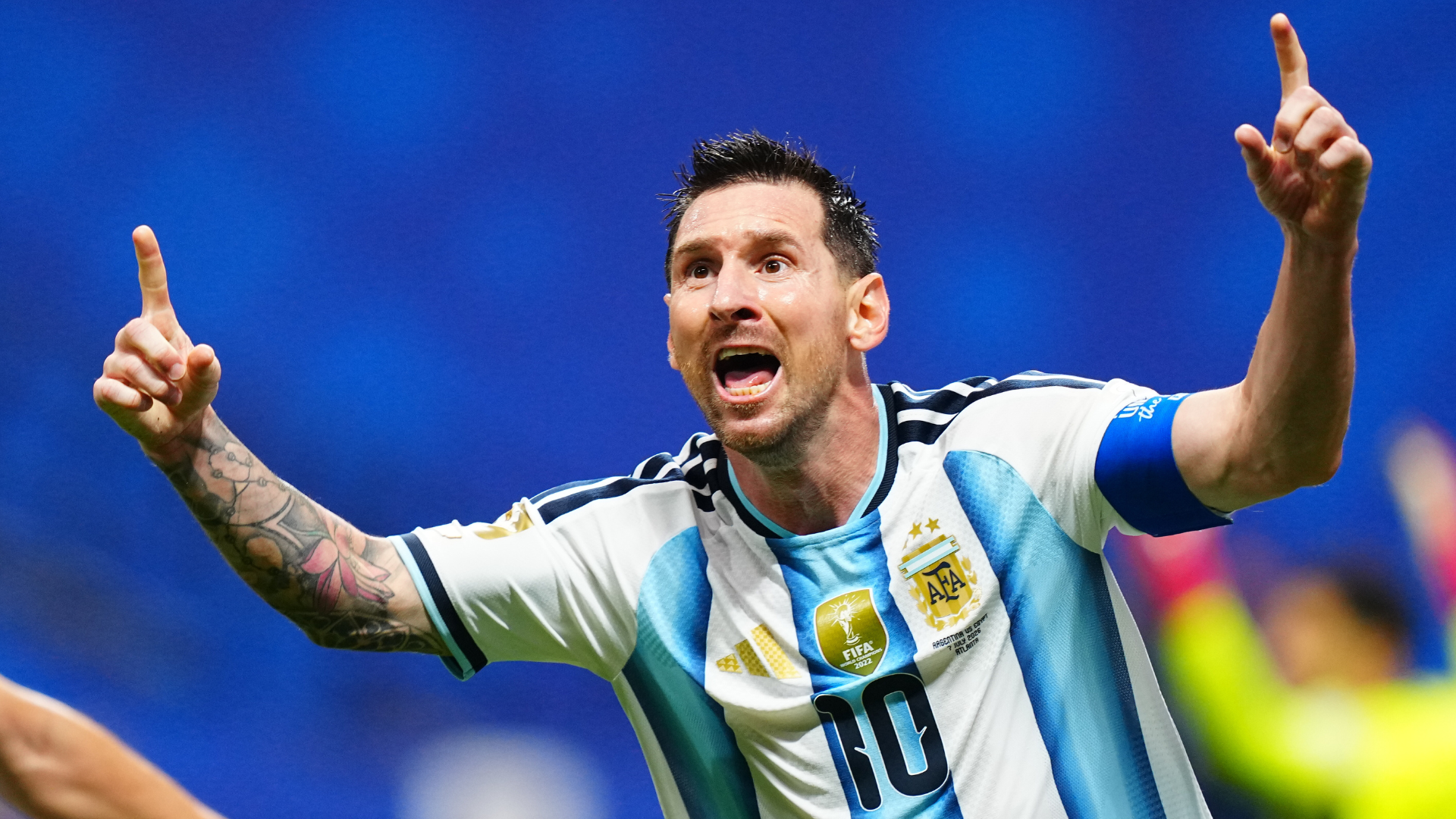
Reigning World Cup holders Argentina spent most of the 7 July 2026 round-of-16 tie in Atlanta against Egypt staring at the exit. Two goals down and running out of time, the match appeared to be drifting into the file of title defences that die in the first knockout round — until the second half re-wrote the script. By full-time, an Enzo Fernandez header had completed a scarcely believable turnaround and sent the South American champions into the quarter-finals, leaving Egypt to digest one of the cruellest results of the tournament.
The comeback matters less for any single moment of skill than for what it tells us about how this Argentina side is wired. A team constructed around possession and patience found itself forced to attack with urgency against a deep, well-organised African block, and did so just in time. It is the sort of win that papers over structural doubts; it is also the sort of win that previous champions have ridden all the way to the final.
The match in plain terms
Argentina arrived at the round of 16 carrying the weight of favourites' expectations and a roster that, on paper, should not have been troubled by a Pharaohs side playing their first knockout World Cup match in decades. The early portion of the contest suggested the form book was about to hold — and then stopped suggesting anything of the sort. Egypt struck twice, both goals arriving with the sort of clinical efficiency that turns a defending champion's body language from confident to brittle inside a half.
What followed was a familiar Argentina pattern: patience, the gradual widening of the field, and the slow conversion of territory into chances. According to BBC Sport's live coverage, Fernandez's late header — reported at 18:19 UTC on 7 July 2026 — broke a tie that had, until that point, looked destined to be Egypt's. The goal is the kind of finish that does not require a tactical revolution to explain: get bodies into the box, find the cross, win the second ball. Argentina did, Fernandez did, and the bracket was redrawn.
The scoreline, the timing of the decisive moment, and the venue are not in dispute across the available wire reporting. BBC Sport's match report, timestamped 19:13 UTC, frames the result as a "scarcely believable" second-half rescue. A Polymarket trader feed timestamped 18:10 UTC independently confirmed the 2-0-to-Argentina reversal. There is, in other words, no counter-narrative from the available sourcing that places the result in doubt.
The market's read
The same Polymarket feed at 18:06 UTC gave Argentina an 18 per cent implied probability of lifting the trophy — a number that, in a 32-team field at the round-of-16 stage, signals a market that rates them as legitimate but not prohibitive favourites. For context, an evenly weighted round-of-16 field would price any single survivor at around 12.5 per cent once the bracket resolves; the 18 per cent figure implies that traders are paying a real, if modest, premium for Argentina's pedigree and the visible depth of their squad.
The market line matters because it sets a baseline against which any over-performance — or under-performance — in the quarters can be measured. If Argentina progress past their next opponent, that 18 per cent will re-price sharply upward. If they fall, the question for the analytics desks and the betting exchanges alike will be whether the Egypt scare was an early warning the team has now absorbed, or the first tremor of a collapse that the next, better opponent will finish.
What the comeback hides
Every great escape contains within it the seed of the complaint that almost killed the run. Argentina were, for the first hour of this match, second to every loose ball that mattered and slow to close the spaces between their midfield and their back line. Egypt's two goals were not the product of refereeing, weather, or misfortune; they were the product of a side that had clearly identified the seams in the Argentine press and exploited them. The fact that Argentina still won does not retroactively make those seams smaller.
This is the read that the optimistic framing tends to elide. A team that can come back from two goals down at a World Cup is, by definition, dangerous — but it is also a team that has now shown the tournament a plan for beating it. Future opponents will note the tempo at which Argentina's midfield finally caught up with the game, the substitutions that changed the geometry of the attack, and the specific way the full-backs were asked to overlap once the team was chasing. None of that is proprietary information, and the quarters will be a different speed of match entirely.
What the result settles, and what it does not
Settled: Argentina's place in the last eight, the elimination of a competitive Egypt side that played the match they needed to play for most of the evening, and the maintenance of the holders' status as a credible path through the bracket.
Unsettled: every question about defensive structure, midfield balance, and the durability of this squad across three more knockout fixtures. The Polymarket-implied 18 per cent probability of winning the tournament is a starting position, not a verdict. Argentina have bought themselves a quarter-final; they have not yet bought themselves the kind of performance that lets a defending champion stop reading its own press clippings.
The honest reading of 7 July 2026 is that Argentina were minutes from the sort of loss that would have defined their tournament in retrospective. They did not get it. Whether the relief of that escape carries them two more rounds, or whether Egypt were the team that showed the rest of the field exactly where to press, is the question the next 180 minutes will answer.
Desk note: Monexus has framed this as a structural test of a defending champion rather than a celebration piece, leaning on the available wire and market signals rather than dressing-room colour we do not have.
Wire provenance
This editorial synthesis draws on the following public wire/social posts:
- https://x.com/polymarket/status/2074556677555138560