Britney Spears biopic lands a writer: why Liz Meriwether matters more than the casting news
Universal's long-gestating Britney Spears film has a writer in Liz Meriwether, and the choice says more about the studio's strategy than any casting announcement could.
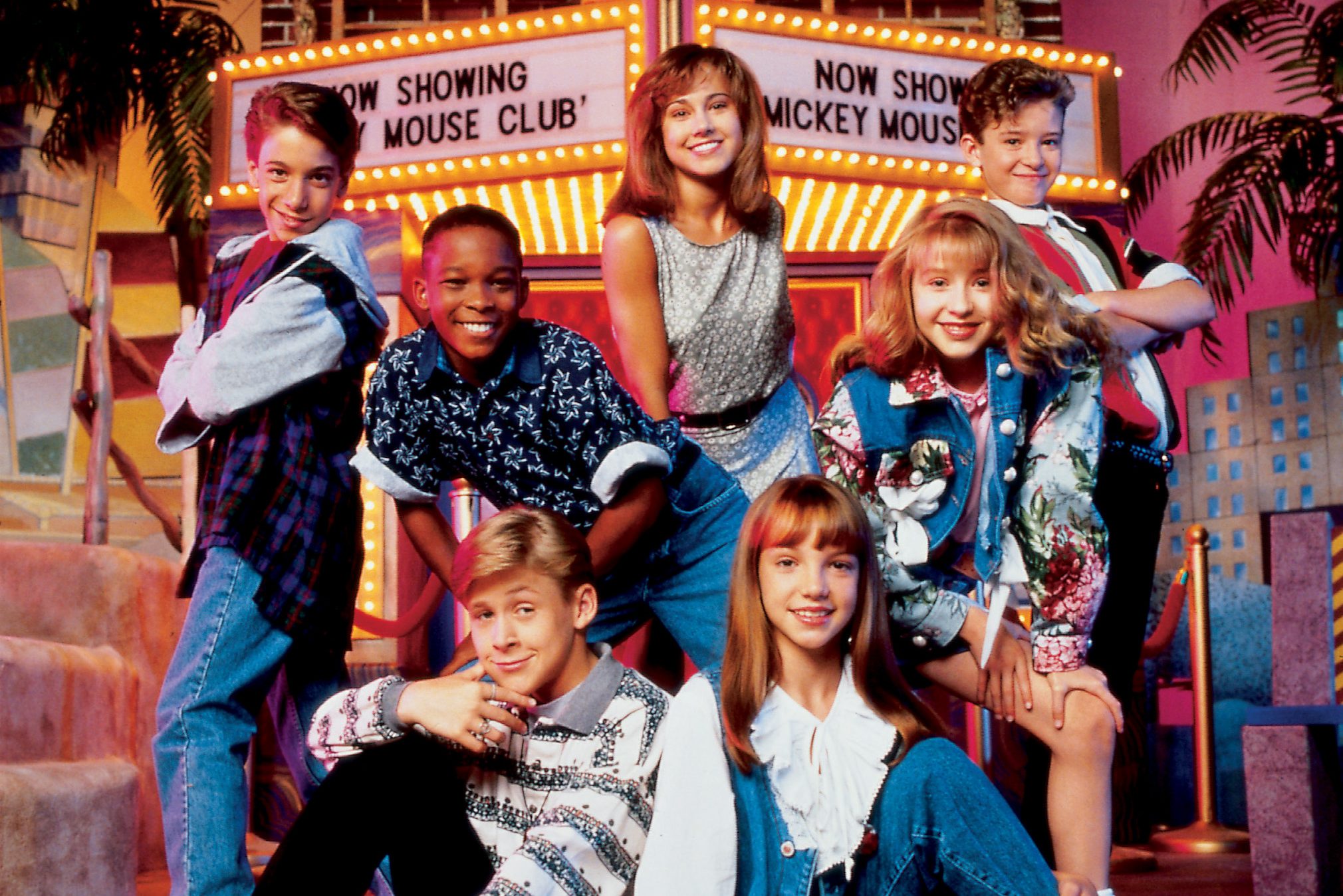
Universal Pictures moved on 7 July 2026 to put a writer on its Britney Spears biopic, tapping Liz Meriwether — the creator of Fox's long-running sitcom New Girl and a co-creator of the FX/Hulu limited series Dying for Sex — to pen the script. The project, first reported by Page Six, sits inside the studio's prestige biopic lane, with Jon M. Chu attached to direct and Marc Platt producing. Variety confirmed the hiring on the same day.
The framing matters less than the choice. Meriwether is not a tabloid-tinted screenwriter; she is a room-writer who built a career shaping ensemble comedy and, more recently, female interiority on prestige cable. Pairing her with Chu, whose recent work includes the musical adaptation In the Heights and the 2024 period piece Wicked, signals that Universal is pitching the film not as scandal redux but as a character study with commercial scale.
What the hiring actually tells us
A biopic writer does two jobs: they negotiate the legal and reputational perimeter the estate will tolerate, and they decide which version of the subject the film is actually about. The first task is invisible to audiences but determines everything else. Spears has, at various points, publicly addressed and complicated her own story — most prominently through her 2021 court testimony and the framing of the conservatorship that followed — and any credible screenplay has to triangulate between Spears's own statements, the family's preferred narrative, and the studio's commercial calculus. Meriwether's Dying for Sex, a limited series built around a woman's search for agency in the final months of her life, suggests she is comfortable writing inside that perimeter without flinching from it.
The second task — deciding which Spears the film is for — is the open question. The audience for a Britney biopic in 2026 is not the audience that watched her 1999 debut era in real time. It is, in significant part, the audience that consumed the 2021 Framing Britney Spears documentary and the social-media reckoning that followed. That audience arrives with priors, and a screenplay either honours them or has to displace them.
The counter-narrative
The conventional read treats any Spears biopic as a post-#FreeBritney coronation — a corrective to two decades of tabloid coverage. There is a less comfortable counter-narrative worth naming: a major-studio film built around a still-living pop star is, structurally, a risk-management document. Estates and living subjects vet scripts. Legal teams redline scenes. The final cut is rarely the cut the writer filed.
That dynamic is not unique to Spears. It is the operating condition of every contemporary celebrity biopic, from the recent wave of music-industry dramas to the prestige-streaming boom in real-person limited series. The interesting question is not whether Universal will sanitise the story — they will, partially — but which scenes survive the negotiation and which become the ones the marketing team promotes. Meriwether's track record suggests she will push for the interior scenes to survive. Whether that matters in the final edit is the part the press release will not tell us.
Structural frame: the biopic as institutional product
What we are watching is the convergence of three industry pressures. First, the post-2020 prestige pipeline that turned streaming limited series into the dominant prestige-TV form has migrated back to film, with studios now treating biopics as awards-season anchors rather than mid-budget programmer fare. Second, the post-Framing Britney cultural moment has made Spears's story commercially legible in a way it was not before 2021, even as the legal and emotional ground has shifted. Third, the writer-led prestige TV pipeline — the same one that elevated Meriwether — has produced a generation of writers trained in character interiority who can be hired to make biopics feel like drama rather than hagiography.
The studio is buying a specific skill set. New Girl ran for seven seasons and built an ensemble around a female lead whose interior life carried the show; Dying for Sex ran as a limited series and built its entire architecture around a single character's choices about her own body. Neither is Spears's story, but both are proof that the writer can sustain a female protagonist across a long arc without losing the audience or flattening the character. That is the pitch. Whether the studio will let her use it is a different question.
Stakes and what to watch
For Universal, the stakes are straightforward: a successful Spears biopic in the current cultural climate is an awards play, a streaming-window asset, and a proof point that the studio can develop female-driven prestige in a marketplace that has otherwise been crowded by male-fronted IP. For Chu, who has been attached to the project since 2022, the hiring removes the longest-running production risk — the empty writer's room. For Meriwether, it is a step into a feature lane she has not previously occupied as a sole credited writer, with all the visibility and scrutiny that implies.
The forward markers are concrete. The next news to watch is whether Spears herself comments — publicly or through representatives — on the hire, and whether the project announces additional writer-side attachments (a co-writer, a story credit for any source-material holder). Page Six's original reporting noted that the project was "first reported" by the outlet, a flag that the studio is still managing the perimeter. A public statement from Spears's camp would be the cleanest signal that the screenplay the writer files is the screenplay the subject is willing to live with. Until then, the safest read is that the studio has bought a writer capable of doing the job and is now waiting to see what she files.
Desk note: Monexus treats this as a writer-attachment story rather than a casting story because, at this stage of pre-production, the writer's voice shapes the eventual film more than any casting rumour. Wire coverage emphasised Page Six's original reporting and Variety's confirmation; this piece reads those together and frames the hire inside the broader biopic-as-institutional-product pattern the studio is operating within.