A Hormuz Flashpoint: What the U.S. Strikes on Iran Actually Resolve
U.S. Central Command has opened a new military front against Iran after tanker attacks in the Strait of Hormuz. The escalation answers one question and sharpens several others.
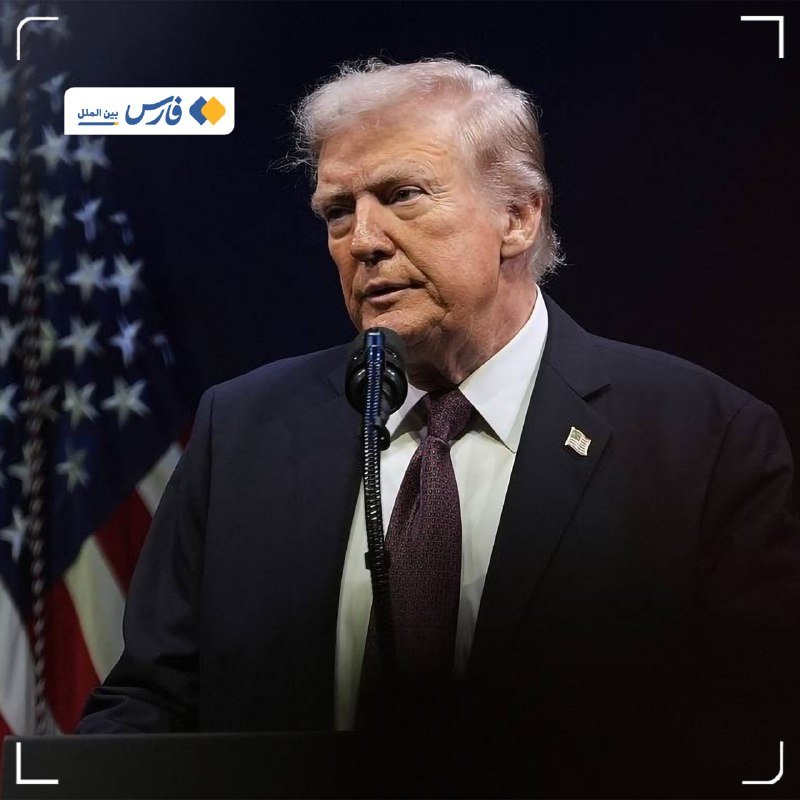
The opening shots were fired before midnight UTC on 7 July 2026. Within a thirteen-minute window, U.S. Central Command confirmed it was striking Iranian positions along the Strait of Hormuz, Telegram channels covering the operation reported USAF sorties hitting Bandar Abbas and other sites in southern Iran, and the Trump administration announced it was revoking Iran's oil sanctions waiver in retaliation for attacks on three commercial tankers in the strait.
The sequence is not complicated to read. It is, however, complicated to resolve. A blockade-relevant waterway has been hit, the United States has chosen a kinetic response over a naval-containment one, and the instrument of pressure that follows the bombing — the sanctions waiver revocation — is the same instrument that, until this evening, kept a thin channel of Iranian crude flowing into Asian markets. The first question is what this escalation is meant to accomplish. The harder question is what it actually accomplishes.
A response calibrated for television, not for the tanker market
Strikes against Iranian infrastructure are a familiar American move; what is striking here is the sequencing. Bombs at Bandar Abbas and southern Iranian sites came within minutes of tanker attacks being attributed to Iran, and the sanctions revocation arrived in the same news cycle. The administration has chosen to fuse a military and an economic instrument into a single event — a pattern that suggests the target audience is domestic political opinion as much as Tehran.
Iranian crude flows through a narrow set of buyers, almost all of them in Asia. Revoking the sanctions waiver does not by itself remove Iranian oil from the water; it removes the legal cover under which that oil is bought. The buyers continue to exist. They will now either pay a higher geopolitical premium, route through intermediaries, or quietly step away. The market effect of tonight's strikes is therefore not a supply shock so much as a confidence shock — underwriters, insurers and refineries repricing the probability that the next convoy through Hormuz will be hit.
That is a deliberate choice. It also narrows Washington's room to manoeuvre. If the next Iranian move is another tanker strike, the response ladder shortens. If it is restraint, the administration will be accused of having escalated over a provocation that did not recur. Either way, the policy has priced in continued volatility, not resolution.
What Iranian state-aligned channels are already arguing
Tehran's media ecosystem will frame tonight as another chapter in a long American campaign against Iranian sovereignty, and there is enough raw material in the record to make that case stick. Iran did not start this cycle of escalation; the U.S. withdrew from the nuclear arrangement, reimposed sanctions, and has maintained a posture of maximum pressure for years. Iranian retaliatory capacity has been demonstrated, in directions ranging from the Saudi oil facilities in 2019 to periodic harassment of shipping. The argument that an Iran under sustained siege has both motive and precedent for asymmetric strikes in the strait is not invented; it is the basic Iranian framing, and it is broadly understood in the non-Western press.
What that framing does not answer is the commercial logic. Iran derives its principal leverage from the threat to shipping, not from the act of striking tankers. Closing the strait to itself closes the strait to Iran's own customers. The three attacks reported tonight are best read not as an attempt to shut Hormuz down but as a calibrated message: that the threat is real, that it can be reactivated, and that the price of ignoring it has risen. The U.S. has answered that message with force rather than with negotiation, which is itself a signal — that Washington believes escalation dominance is on its side.
The structural backdrop nobody at the podium will mention
Energy markets and dollar politics are the two structural layers underneath this story, and they are difficult to discuss honestly because both sides prefer the language of principle to the language of interest. The U.S. dollar's reserve status depends, in part, on the fact that oil is priced and cleared in dollars; Iran's effort to sell crude outside the dollar system is one of the underlying irritants in the relationship. A sanctions waiver is, in this sense, not a humanitarian concession but a controlled valve on a price the U.S. would prefer not to pay.
Revoking that valve in the middle of an active shipping dispute tells Iran's customers — primarily Chinese, Indian and Turkish refiners — that the cost of doing business with Tehran is now both higher and more visible. That is the point. Whether it produces the desired behaviour is a separate question. Asian buyers have proven remarkably willing to absorb political risk when the discount is wide enough, and Iran's shadow fleet has, until now, operated with some success. The administration's bet is that the military dimension changes that calculus. The historical record on such bets is mixed.
What this actually resolves
By morning the cable news packages will have settled on a clean narrative: Iran attacked, America answered, the world is safer. That is a serviceable frame and not entirely wrong. It is also, like most serviceable frames, an oversimplification. Three commercial ships were struck in a waterway through which roughly a fifth of the world's traded oil moves; the U.S. responded with bombing and a sanctions revocation; Iran retains the capacity to strike again; Asian refiners now have to choose between cheap Iranian crude and stable American relations; and underwriters across the maritime insurance market will, in the next forty-eight hours, set a new premium for hulls transiting Hormuz.
The unresolved question is whether Washington's escalation has narrowed Iran's options or widened them. A leadership under economic siege, attacked militarily, may choose to escalate — or may choose to step back, let the sanctions bite, and wait for a U.S. political cycle to change. Both are rational. Tonight's strikes have made the second path harder to walk without appearing to fold. That is the actual consequence, and it is the one worth watching.
This publication will note one further uncertainty. Initial accounts of the strikes are coming through Telegram channels with operational footprints in the conflict, and the named targets — Bandar Abbas and unspecified sites in southern Iran — have not been independently confirmed by U.S. or Iranian official channels in the source material at hand. The sanctions revocation is reported by BellumActaNews citing the Trump administration; CENTCOM's confirmation of strikes is reported by the same channel and corroborated by Clash Report. The outline is consistent across both. The specifics — extent of damage, civilian exposure, the identity and flag of the struck tankers — remain to be verified.
— Monexus desk note: Wire coverage of U.S.–Iran flashpoints tends to bifurcate into two registers, the procedural (what was struck, by whom) and the declarative (what this means). This piece foregrounds the procedural sequencing and the economic instrument behind it, on the view that the second register is doing most of the rhetorical work in the wire packages and deserves a closer reading than it usually gets.
Wire provenance
This editorial synthesis draws on the following public wire/social posts:
- https://t.me/BellumActaNews
- https://t.me/ClashReport
- https://t.me/BellumActaNews
- https://t.me/BellumActaNews