IndieWire's 'What No One Tells You' Heads to Netflix as Digital Publishers Chase the Streamer Door
The trade publication's signature vertical-video series will land on Netflix later this summer, the latest sign that streaming platforms are turning to niche digital brands for catalogue depth.
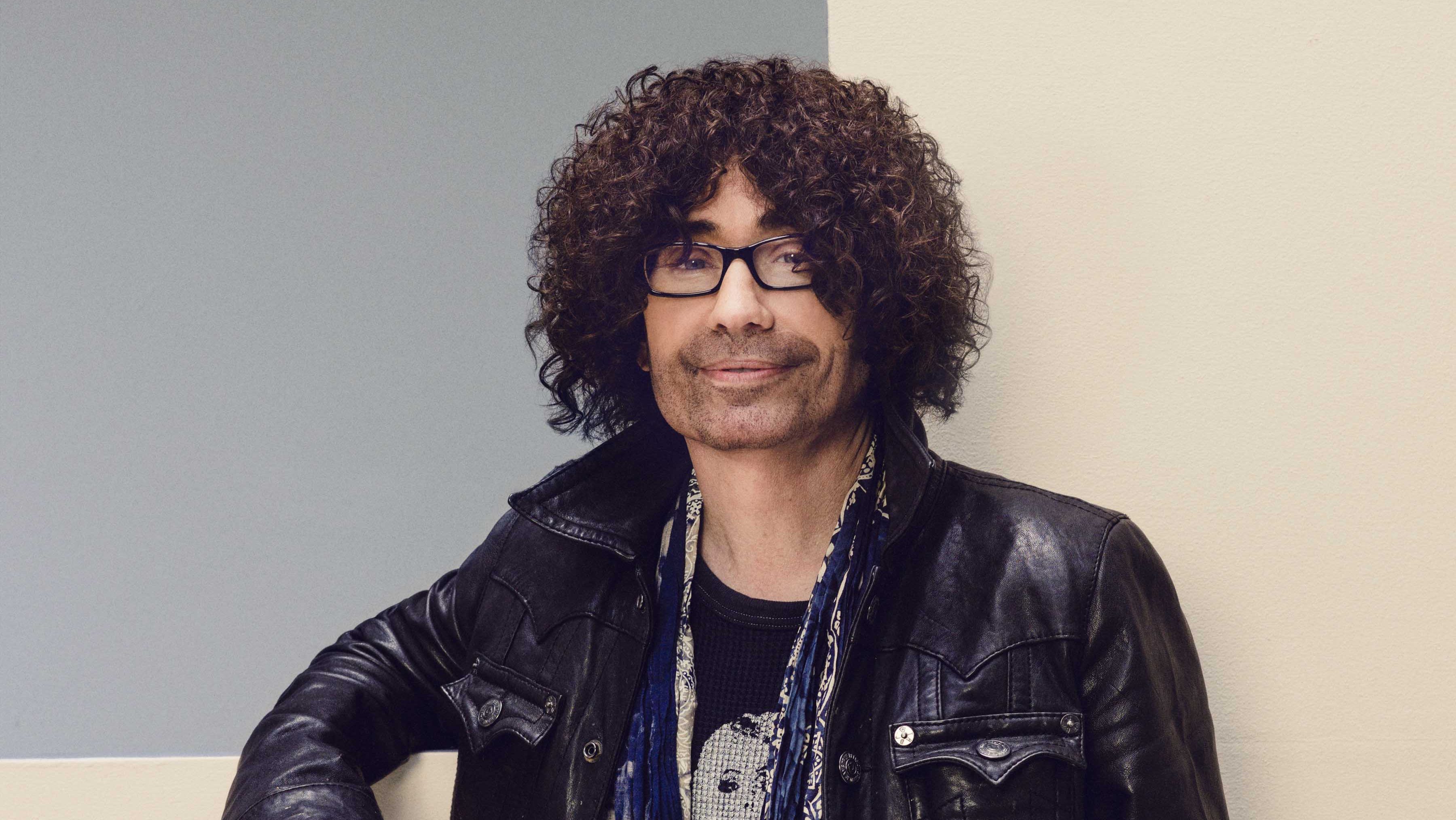
IndieWire, the film and television trade owned by Penske Media, will bring its signature video series "What No One Tells You" to Netflix later this summer, the publisher announced on 7 July 2026. The move is the latest in a string of partnerships in which independent digital publishers — outlets that built their audiences outside the legacy studio system — license original programming directly to the streamers that once treated them as competitors.
The deal is small in absolute terms and significant in direction. Netflix does not need IndieWire for reach; it needs IndieWire for credibility with a cinephile audience it has spent the last decade trying to lock in against a wave of prestige platforms. A vertical-video series hosted by working critics and trades writers does not move Netflix's subscriber needle. It does, however, reinforce the pitch that Netflix is where serious film conversation happens — a positioning the company has defended since its 2023 DVD closure and the gradual sunsetting of its DVD-by-mail nostalgia play.
What the series actually is
"What No One Tells You" is built around short, vertical episodes in which IndieWire staff and contributors pull back the curtain on the production decisions, marketing mechanics and on-set realities that mainstream film coverage tends to gloss. According to IndieWire's announcement, the series leans on the outlet's editorial bench — reporters and critics who already cover the trades beat — and is designed to play natively on social platforms as well as on connected-TV interfaces.
That hybrid design is the point. IndieWire is not licensing a TV show to Netflix; it is licensing a content format that already works in TikTok and Instagram Reels feeds and is now being ported upstream. The economics for the publisher are cleaner than the legacy syndication model: a fixed licensing fee, the streamer's distribution infrastructure, and the prestige halo of appearing on a Netflix shelf alongside scripted originals.
Why Netflix is buying from a trade
The streamers spent 2023 and 2024 locked in a content-cost correction, retrenching from the bidding wars of the pandemic era. By 2025 and into 2026, the survivors have shifted strategy: rather than paying eight figures per episode for unknown scripts, they are filling catalogue gaps with branded verticals — reality formats, talk shows, and now editorial video — at prices that look small next to a tentpole drama but compound across hundreds of deals.
IndieWire sits inside that logic. Its parent, Penske Media, also owns Variety, Rolling Stone, Billboard and a stable of trade titles; together they represent one of the largest pools of editorial video talent outside the broadcast networks. The IndieWire deal, if it performs, is a template for what Variety, Rolling Stone and Billboard can each do with their own editorial IP.
What it means for the trades themselves
The arrangement is a hedge for IndieWire against the structural problem every digital publisher now faces: the platform collapse. Referral traffic from Facebook, Google Discover and X has eroded across the industry, and the publishers that survive the next two years will be the ones that build direct relationships with at least one distribution partner outside the open web.
A Netflix shelf is one such relationship. So is a YouTube channel, a podcast network, and — increasingly — a deal with one of the FAST (free ad-supported streaming television) channels that have proliferated on Roku, Pluto and Samsung TV Plus. IndieWire is not the first digital-native publisher to chase this strategy; in 2024 and 2025 several food, history and science publishers cut similar licensing deals, and the New York Times has run its own cooking and games shows on the streamers for years.
The flip side is editorial exposure. A deal that monetises editorial IP for a streaming partner is also a deal that binds a newsroom, however loosely, to a counterparty whose interests do not always align with the publisher's. The Penske titles will be watched for whether the Netflix arrangement expands into coverage territory — talent access, festival coverage, awards-season reporting — where editorial independence and commercial partnership sit in closer quarters.
What remains uncertain
Two questions remain open. First, the financial terms of the deal have not been disclosed by either IndieWire or Netflix, and there is no public indication of whether the arrangement is exclusive, time-limited, or renewable on a per-season basis. Second, it is not yet clear whether "What No One Tells You" will sit inside Netflix's general catalogue or behind a curated editorial hub. The structural difference matters: a Netflix shelf of indie-criticism series changes the cultural positioning of the platform; a niche sub-brand tucked three menus deep does not.
Neither party has announced a premiere date beyond "later this summer," and the publishing cadence of the underlying IndieWire series has not been publicly detailed.
This publication treats the IndieWire–Netflix announcement as a leading indicator rather than a standalone story. The larger pattern is the migration of digital-native editorial brands onto streamer shelves — a quiet consolidation of the next generation of film and culture coverage that the trades themselves will be reporting on for years to come.
Wire provenance
This editorial synthesis draws on the following public wire/social posts:
- https://t.me/s/indiewire
- https://en.wikipedia.org/wiki/IndieWire
- https://en.wikipedia.org/wiki/Penske_Media_Corporation
- https://en.wikipedia.org/wiki/Netflix