Strait of Hormuz on a knife edge as Tehran and Washington trade accusations
Three commercial tankers, two governments blaming Tehran, and an unsigned memorandum of understanding: the Gulf's most sensitive waterway is again the staging ground for a US-Iran confrontation that neither side can afford to lose.
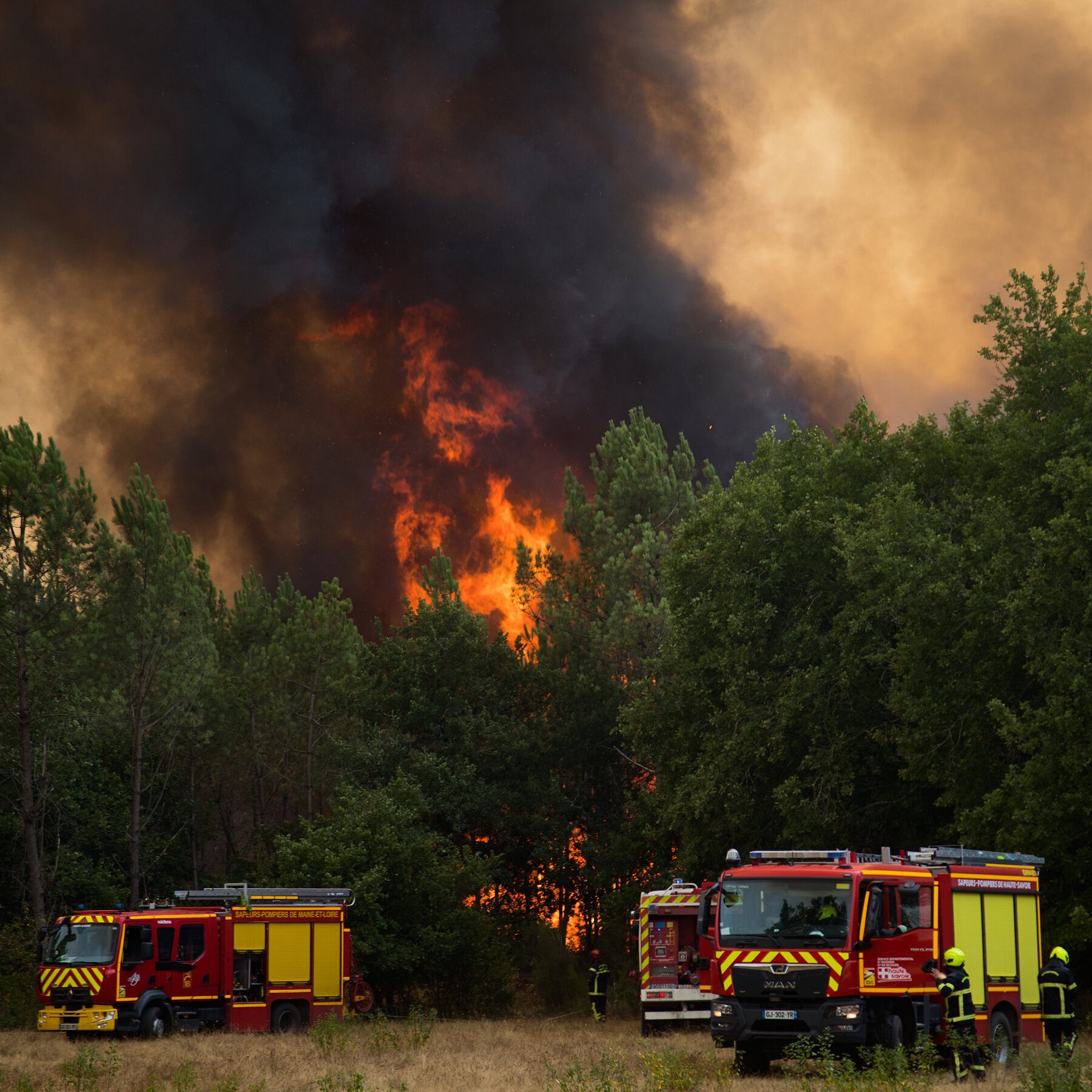
By the early afternoon UTC of 7 July 2026, the world's most consequential oil chokepoint had become the scene of a coordinated war of words. A US official told the Open Source Intel feed that Iran had struck three commercial vessels near the Strait of Hormuz earlier that day and characterised the action as a "blatant violation of the memorandum of understanding," with Washington now "weighing its options." Within minutes, Qatar's government publicly blamed Tehran for a strike on a Qatari gas tanker in the same waterway, warning that Iran would "bear the legal consequences"; a Saudi oil tanker had also been hit in the preceding twenty-four hours, Qatari sources added. By 16:16 UTC, Press TV was carrying the counter-message from Tehran: "any US provocation will be met with Iran's decisive response," with an unnamed official insisting that traffic in the strait is conducted in accordance with "Iran's arrangements."
The shape of the confrontation is now legible. Two Gulf monarchies, the United States, and the Islamic Republic are each telling a story about the same patch of water, and none of those stories agree on what actually happened to the hulls of three tankers, whether anyone has been killed, or what legal framework applies. Whoever establishes the record first will set the terms of the next round.
A chokepoint built for a different kind of crisis
The Strait of Hormuz carries roughly a fifth of global seaborne oil and a third of liquefied natural gas. The combined tanker tonnage transiting it on any given day is not a statistic that tanker owners, refiners, or insurers can absorb without repricing. When Qatar — the world's largest LNG exporter — blames a single gas-tanker strike on Iran, the freight and insurance markets read the press release for what it is: a signal that the world's biggest LNG customer, among others, may need to start paying war-risk premia again.
That is the structural background the wire reports are sitting on top of. The strikes matter less as isolated incidents than as proof, in advance, that the strait can be selectively closed. The history of 2019, when Iran seized commercial vessels and the US nearly responded with force, and of 2023-2024, when Houthi attacks forced a partial rerouting of Red Sea traffic, shows how quickly shipping can be repriced around a single well-publicised hull.
Who is making the claim, and what they stand to gain
Read the three wires side by side and the politics of attribution become clear. The Open Source Intel account is carrying a US official directly blaming Iran — language ("blatant violation," "weighing options") calibrated to leave room for either escalation or a negotiated off-ramp. Qatar's statement, reported via the same feed, adds legal threat ("bears the legal consequences") and the detail that a Saudi tanker was hit in the previous twenty-four hours — a second Gulf monarchy on record against Tehran, and an implicit invocation of the GCC's collective security framing.
Iran's position, as carried by Press TV, is the structural mirror image: deny the framing, reassert sovereignty over the waterway, and warn any US "provocation" off with a "decisive response." The unnamed "informed official" is doing the work of signalling to Washington without producing a quotable cabinet minister. None of the three statements names an independent witness, a salvor, or a flag state of any of the three vessels. All three claim a monopoly on describing what happened to ships in international waters.
What the dominant frame gets wrong
The first-pass Western framing — Iran fires on commercial shipping, the Gulf and Washington push back, the Gulf monarchies and the United States are aligned — is not wrong, exactly. But it elides two things.
First, the "memorandum of understanding" the US official invokes is not a public treaty. Its text, its signatories, its monitoring mechanism, and its complaint process have not been published in any of the source wires this publication reviewed. Calling its alleged violation "blatant" before the document itself is on the table is a framing choice, not a finding of fact. Second, the framing treats Qatar and Saudi Arabia as a single Gulf bloc, when on most files — Syria, normalisation with Damascus, the Qatar-Egypt-Algeria mediation track — they have spent the past eighteen months visibly out of sync. A Saudi tanker hit in the previous twenty-four hours, on this reading, is the proof point that reconciles them; but it could equally be the trigger that sharpens the gap if either monarchy judges the US response too slow.
There is also a question of incentive on the Iranian side that the Western framing flattens. Tehran's known strategic interest in the current cycle is not to close the strait but to demonstrate that it can. A series of low-escalation strikes that force a doubling of insurance premia while leaving the diplomatic door to a wider deal ajar is the kind of calibrated move Iran has run before.
What remains contested
The source material is thin on the things a reader most needs to know. We do not know the flag states of the three vessels, the nature of the damage to hulls or cargo, whether any crew are injured or missing, or whether any distress signal was logged with the UK Maritime Trade Operations hub in Dubai. The Open Source Intel feed says "three commercial vessels"; the Qatari statement references one gas tanker and refers to a Saudi oil tanker hit in the preceding twenty-four hours — the same incident set, but with no confirmed overlap of ship names. The Press TV counter-claim does not address any specific hull. The "memorandum of understanding" under which the US is characterising Iranian behaviour is unnamed, undated, and unlinked.
Until those gaps are filled, the most honest summary is the one the markets will arrive at on their own: trust no one's number, watch the Lloyd's List war-risk bulletins, and read every statement about the Strait of Hormuz as a positioning document first and an account of events second.
Stakes
If the dominant US framing holds and is followed by a kinetic response, the Gulf monarchies get a US security umbrella they have been quietly underwriting for years, and Iranian energy exports face a credible interdiction threat. If Tehran's counter-frame holds — that the strait operates under "Iran's arrangements," full stop — the precedent moves the median of acceptable maritime coercion in Iran's direction and the JCPOA-adjacent deal talks, already stuck on enrichment, lose another plank. The most likely intermediate outcome, reading the three statements as a single signalling system, is that none of the three parties wants a shooting war but each wants the other two to believe one is possible. That is the equilibrium the next seventy-two hours will test.
This publication treats the Open Source Intel feed and Press TV with equal epistemic caution: each is one or two steps removed from a named principal, and we have flagged the institutional origin of each claim in the ledger below. The wider Western wire has not yet published a confirmed account; when it does, we will update.
Wire provenance
This editorial synthesis draws on the following public wire/social posts:
- https://t.me/osintlive
- https://t.me/osintlive
- https://t.me/presstv