Ukraine turns the long arm on Russian logistics, and Moscow's Azov fleet
A wave of Ukrainian drone strikes on Russian shadow-fleet tankers in the Sea of Azov, filmed from passing merchant ships, marks a shift from tactical pinpricks to a coordinated campaign against Moscow's sanctioned oil logistics.
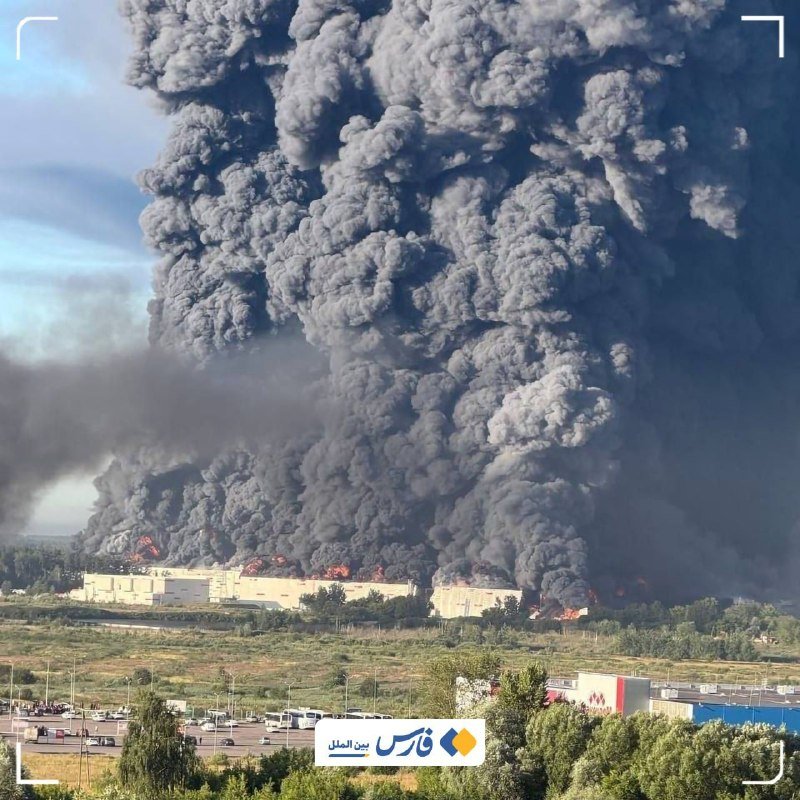
Burning tankers of Russia's shadow fleet sit awash in the Sea of Azov, filmed from the deck of a passing merchant ship as a Ukrainian FP-2 strike drone overflew the column at low altitude. The footage, circulated on 9 July by open-source channels tracking the war at sea, captures a campaign that has been building for weeks: a sustained Ukrainian effort to put Russian oil exports on the wrong side of an insurance underwriter's red line. On 7 July, the day's tally of strikes on Russian refining, port and storage nodes no longer read as a string of tactical pinpricks. It read as a campaign.
That distinction matters. Ukraine's Unmanned Systems Forces have spent the summer leaning on the long arm: more than 330 long-range kamikaze drones pushed across the Russian homeland in multi-directional salvos, hitting fuel depots, rail hubs and coastal logistics in a single operational window. The 7 July picture is best read not as a coincidence of separate operations, but as one coordinated effort to choke the cash that pays for the invasion, even as individual damage assessments remain provisional. The geography is no accident. The Azov basin is shallow, narrow and crowded with ageing tankers operating just outside the formal G7 price-cap regime, which makes it an ideal hunting ground for low-cost air-launched munitions.
The targeting list itself tells the story. Open-source analysts have begun publishing vessel-by-vessel identifications of the ships struck in the July drone campaign, treating the shadow fleet as a known, mappable entity rather than a fog of hull numbers. On the water, the new pattern is visible to anyone with a deck: commercial crews filming strike drones as they pass overhead, the silhouettes of single-hull tankers lit by their own cargo. A middle-range FP-2 overflight of a Russian-flagged tanker in the Azov is no longer a freak event. It is the new normal of a war in which both sides have learned that the cheapest way to break a logistics chain is to set the cargo on fire.
The deeper logic is older than the drones. Moscow's "shadow fleet" of oil tankers, aged hulls operating under opaque ownership and minimal flag-state oversight, was built to evade Western sanctions and keep crude flowing to buyers in Asia, Africa and the grey market. The trade has always been a volume business: thin margins, long voyages, and a willingness to run underpriced barrels through straits and into ports that mainstream insurers will not touch. The vulnerability is the hull. A tanker laden with crude is a slow, hot, poorly defended target. Ukraine has spent the past year building the airframe, the warhead and the targeting intelligence to find those hulls at sea, and the 7 July strikes suggest the learning curve has bent.
Inside Russia, the bill is starting to arrive in other places. Drone hits on inland fuel depots and rail nodes have begun to register in Russian regional reporting as fuel queues and emergency rationing, the kind of friction that, multiplied across a federal supply system, becomes political pressure. Ukrainian pilots, described in recent reporting as operators working in shifts under fluorescent light, monitor target grids that now stretch from Belgorod to the Caspian pipeline feeders to the Azov coast. The point of the long arm is not just to burn a tanker. It is to make the next tonne of sanctioned crude more expensive to move than the discounted price it fetches.
The forward read is sober. Russia's reciprocal campaign, Geran-2 strikes on civilian infrastructure in Dnipropetrovsk and Kharkiv oblasts, including a 50-year-old woman killed in Valky and a 23-year-old woman hospitalised, is intensifying in the same window, a reminder that Moscow still holds the initiative in terror bombing Ukrainian cities. The Azov campaign, by contrast, is a slow squeeze. If July's pace holds, and if the open-source vessel identifications continue to put names on hulls, the next round of the war will be fought on the back of insurance premiums, classification society notes, and the patience of the crews willing to sail under sanctions. Moscow built the shadow fleet to be untouchable. Kyiv is now in the business of proving it is not.
Sources
- Status-6 (War & Military News), 9 July 2026: https://t.me/AMK_Mapping
- Visioner, 9 July 2026: https://t.me/AMK_Mapping
- WarTranslated, 9 July 2026: https://t.me/TSN_ua
- @wfwitness, 9 July 2026: Telegram post on Geran-2 strikes in Dnipropetrovsk and Kharkiv oblasts
- @ChristopherJM via ELINT News, 9 July 2026: Telegram post on Ukrainian drone pilots
Desk note: Monexus treats the 7 July strikes as one operational campaign, not a coincidence of tactical events, and centres Ukrainian sources and Western-wire reporting on the Azov and inland fuel strikes, with Russian and Russian-aligned claims cited only as counter-narrative material.