U.S. exits World Cup 2026 in round of 16 after 4-1 defeat to Belgium
Belgium ends the United States' World Cup 2026 run with a 4-1 victory in the round of 16, leaving the host nation without a quarterfinal place in its own tournament.
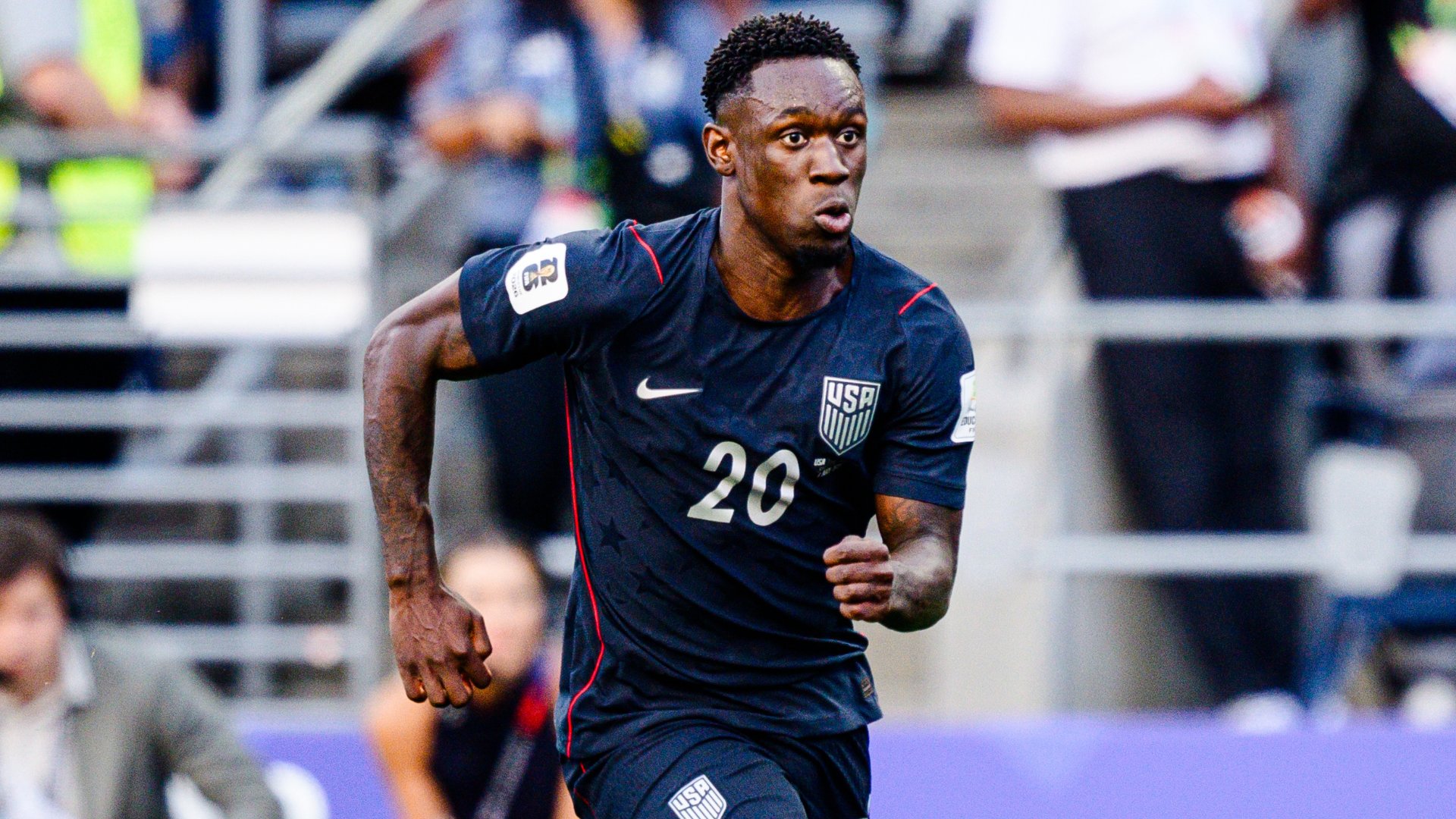
The United States is out of its own World Cup. Belgium eliminated the host nation 4-1 in the round of 16 on Monday evening, 6 July 2026, ending a tournament the Americans entered under the weight of expectation that a Generation Next would, at minimum, reach the quarterfinals on home soil. The result, confirmed at approximately 02:00 UTC on 7 July 2026, leaves the U.S. men's national team without a last-eight place in a tournament it co-hosts with Canada and Mexico.
That outcome matters less for any single scoreline than for what it reveals about the gap between federation ambition and on-field readiness, and about the structural pressure a host federation carries when the global game comes to its stadiums. Belgium, by contrast, advances, and does so with the kind of scoreline that will be read across Europe as confirmation that the Red Devils' talent pipeline is, for all its age-related doubts, still capable of putting four past a top-twenty opponent in an elimination game.
The night the run ended
The match was the headline fixture of the round of 16 in the schedule carried by Transfermarkt on 6 July 2026, billed as the marquee meeting of the evening's programme. Belgium, playing through a side led by its established core, took control early and did not yield it. The disposetv wire confirmed the final at 02:00 UTC on 7 July, reporting Belgium's 4-1 victory and the United States' elimination. A second disposetv post at 01:59 UTC carried the same line, a near-simultaneous relay consistent with the outlet's real-time match-update format.
For the U.S., the tournament now ends at the round-of-16 stage for the second consecutive World Cup cycle, a pattern that will intensify scrutiny of the programme that federation leadership has described, in recent cycles, as a generational project. The squad that took the field against Belgium featured a blend of European-based professionals and domestic-MLS starters; the precise personnel and tactical choices inside the match are not detailed in the source items available to this publication.
The counter-narrative: a tournament the U.S. reached at all
There is a reading in which elimination by Belgium, a nation ranked among the world's most consistent producers of elite attacking talent, is not the embarrassment the framing will imply. Belgium entered the round of 16 with a deeper competitive track record over the past decade than any U.S. side in the modern era. The U.S. advanced from the group stage in front of home crowds across multiple cities; that is not a trivial floor, even if it falls short of the federation's stated ceiling.
That counter-reading does not soften the result, but it does contextualise it. The team did not collapse in the group phase. It reached a knockout round against one of the European sides most likely to expose any backline weakness. The 4-1 margin, however, leaves little room for the consolation of "competitive exit." Belgium scored four. The U.S. scored one. The headline is the margin.
The structural frame
The 2026 tournament is the largest World Cup FIFA has staged: 48 teams, 11 U.S. host cities, a calendar stretched across the North American footprint, and an infrastructure overlay that includes the drone-restriction enforcement now visibly in place around match venues. The FBI's disclosure, on 6 July 2026, that more than 600 drones had been seized from restricted airspace across all 11 U.S. host cities reframed what "hosting" means in security terms. Hosting a World Cup is no longer only a question of stadiums and broadcast logistics; it is a question of airspace management at industrial scale.
For the U.S. federation, the structural question is the one all host federations eventually face: whether a tournament, by its visibility and its home-soil effect, accelerates football's domestic growth enough to absorb an early elimination. Mexico 1986 and 1970 produced Argentine winners but did not, on their own, produce a Mexican dynasty. South Korea 2002 reached the semifinals and the country's football economy grew in the decade after. The U.S. case will be tested in domestic TV figures, attendances for MLS, and the trajectory of the academy and residency systems in the four-year cycle ahead.
What it means next
Belgium advances to the quarterfinals. The U.S. begins a four-year cycle that will culminate, by FIFA's published cadence, in the 2030 edition, the centenary tournament staged across three continents. Between now and then, the federation will absorb this result, the coaching staff will face the standard post-tournament review, and a playing pool that skews young will have the option to use the defeat as the kind of scar that sharpens a cycle, or as a marker that the gap to the European elite is structural rather than cyclical.
The sources do not specify the goalscorers, the tactical shape, or the precise minute-by-minute shape of the match. They confirm the result, the round, and the elimination. That is what can be reported with confidence; what cannot yet be reported is the internal reckoning inside U.S. Soccer that will follow in the days ahead.
This publication covered the elimination as a confirmed sporting result and a structural stress-test for a host federation, not as a referendum on the broader state of football in the country.
Wire provenance
This editorial synthesis draws on the following public wire/social posts:
- https://t.me/s/transfermarkt
- https://x.com/polymarket/status/...
- https://t.me/s/disclosetv
- https://x.com/disclosetv/status/...
- https://t.me/s/bricsnews
- https://x.com/telesurenglish/status/...