Balogun farce, Belgian masterclass: how the USMNT’s World Cup ended in Seattle
A reversed red card, a 4-1 rout, and a side showing its age: the United States is out of its home World Cup, and the questions for the federation are only beginning.
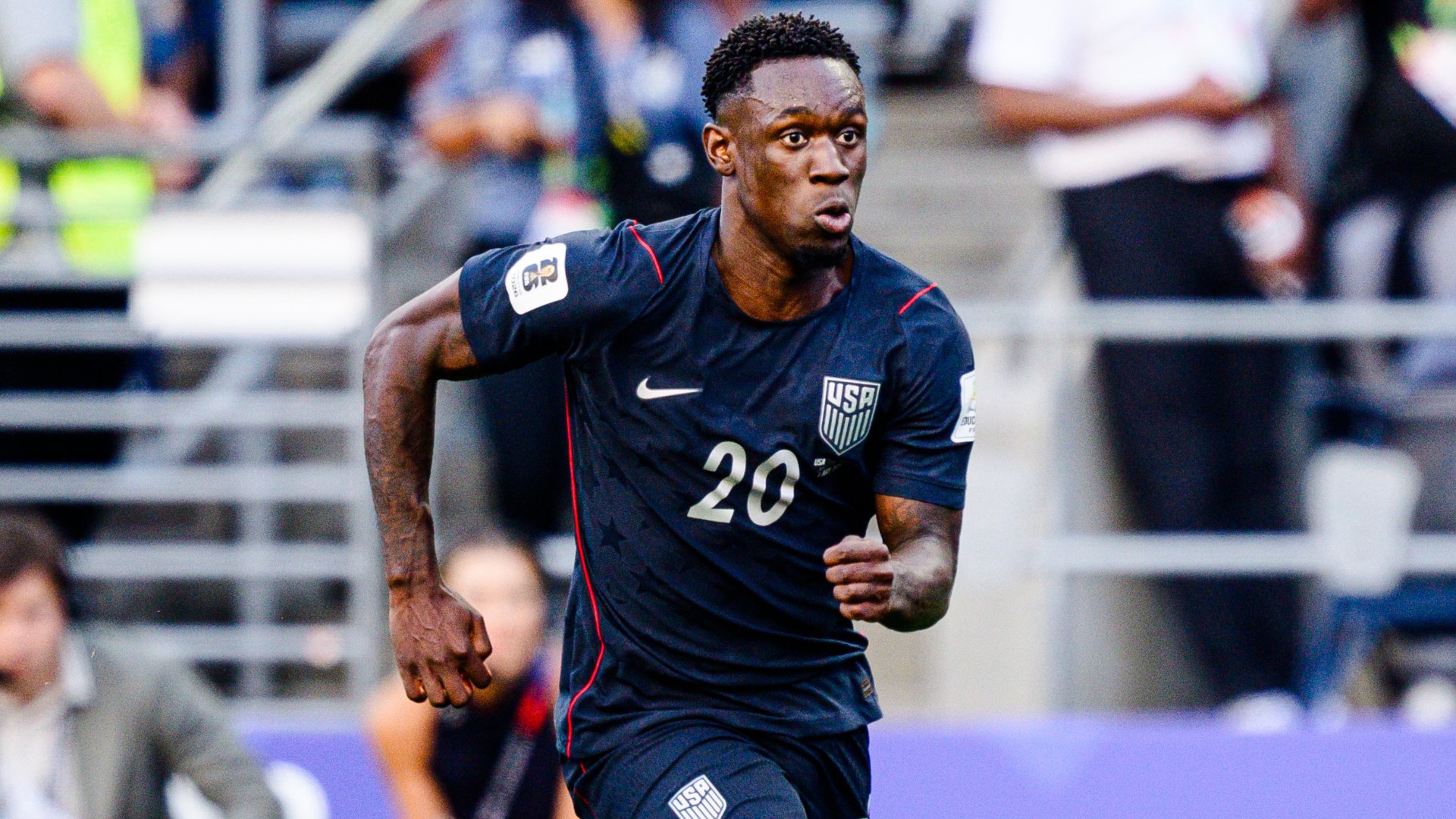
The United States men’s national team departed the 2026 World Cup on Monday night in Seattle with a 4-1 loss to Belgium, a tournament exit that doubled as an indictment of how the federation, the head coach and the sport’s global governing body handled the days leading up to the round-of-16 tie. The final whistle at Lumen Field, just after 04:00 UTC on Tuesday 7 July, ended a tournament the host nation had spent thirteen years preparing to host and roughly a decade preparing to win.
This is a story about a forward whose red card was reversed, a federation that insisted the distraction was not a distraction, and a Belgian side that treated the occasion like a routine away fixture.
The Balogun mess
Folarin Balogun started up top for the United States after FIFA’s late intervention restored his eligibility, the confirmation coming around 23:40 UTC on Monday, 6 July, via the federation’s own communications. The U.S. had spent the previous 48 hours publicly fighting a red card Balogun received in the round-of-32, only to have the sanction overturned in time for the knockout round. CBS Sports called the reversal “FIFA’s mismanagement,” arguing it had ensured the World Cup “would descend into chaos.” Players, predictably, said the opposite in their post-match remarks to ESPN, denying the episode was a factor in the performance.
The reversal, on the record, came after the U.S. appealed. The implication that the host federation leaned on the host confederation to clear its best striker for the marquee tie of the round is one the sources do not confirm, but one the public conversation has not been able to shake. Either way, the sequence — sanction, appeal, reversal, start, defeat — is the frame the United States leaves the tournament inside.
A Belgian team that did not need the noise
Belgium did not require the soap opera. The Guardian’s match report was unambiguous: a “ragged USA crash out of World Cup with last-16 defeat to Belgium,” with the Red Devils advancing to a quarter-final that, on this evidence, they can approach without embarrassment. ESPN’s recap described the night as a “World Cup reality check,” a “comprehensive dismantling” of a team that had reached the knockout stage as a host and exited as a cautionary tale.
Belgium’s players reserved their sharpest line for the post-match moment, posting an image aimed at the U.S. bench with the words “overturn this,” a deliberate echo of the social-media campaign that had been built around Balogun’s case. The barb was not subtle, and it was not meant to be. The Guardian’s World News desk led its overnight wrap with the same line, underlining how far the Balogun affair had travelled beyond the U.S. bubble.
What the team actually was, and wasn’t
Strip away the procedural drama and the football tells a less ambiguous story. The U.S. arrived at the tournament with a coach, Mauricio Pochettino, whose appointment was supposed to mark the arrival of a modern, possession-based, pressing identity. Through the group stage, the team had shown enough to be described as competitive, not as favourites. Against Belgium, the gap between the two squads was not the gap between equals.
The roster the U.S. brought was young, dual-national, and selected from a league that has spent the last decade prioritising the wrong end of the pitch. The senior core that had carried qualifying was largely absent through injury, club form, or both. The starting eleven against Belgium included Balogun, restored to lead the line, and a midfield built around energy rather than control. None of that is secret, and none of it was solved by the FIFA appeal.
The pattern of host nations struggling at their own tournament is not new — South Korea 2002, the United States in 1994, even France’s 1998 squad needed a home crowd to drag it past some of the less-fancied names in its path. What is unusual is for the host to be relieved of its best attacking option by a governing body decision made hours before kickoff.
What it means, and what comes next
The U.S. Soccer Federation will, in the next few weeks, have to decide whether the Pochettino project is a project at all, or a stopgap hired to manage the optics of a tournament the federation wanted to win. The performance against Belgium, the disorganisation through midfield, and the lack of a coherent response to going behind all suggest the floor of the cycle, not the ceiling. The federation has already signalled that 2030 planning is on its mind; the question is whether Pochettino is in those plans.
For Belgium, the next task is straightforward: a quarter-final against a more technical opposition, and a chance to prove the Seattle performance was a step up rather than an outlier. For FIFA, the Balogun episode will sit in a file marked “risk,” the public-relations cost of intervening publicly in a selection dispute just before a knockout game.
What remains genuinely unresolved is the question of whether the U.S. lost because the Balogun affair unsettled a young squad, or because the squad was already the wrong shape for the game Belgium wanted to play. The players have insisted the first explanation is wrong. The scoreline, and the pattern of the game, leave the second explanation firmly in play. The honest read is that both can be true: a team can be distracted and also simply outmatched. The federation, for its part, now has a four-year window to decide which problem it plans to fix first.
Desk note: Monexus treated the Balogun reversal as a procedural story embedded inside a sporting one, and the 4-1 result as the lead. The Western wire line (ESPN, CBS Sports) framed the loss as a reality check; the Belgian camp chose to amplify the procedural row. We have held both framings, and declined to relitigate the red card itself, which is closed as a regulatory matter.