Cheetah Girls reboot confirms Raven-Symoné, and a Generation Now Has to Decide Who Its Sequels Belong To
A new Cheetah Girls movie is in production with Raven-Symoné on set, and the announcement lands as Hollywood's family franchises race to recapture the audiences that built them in the first place.
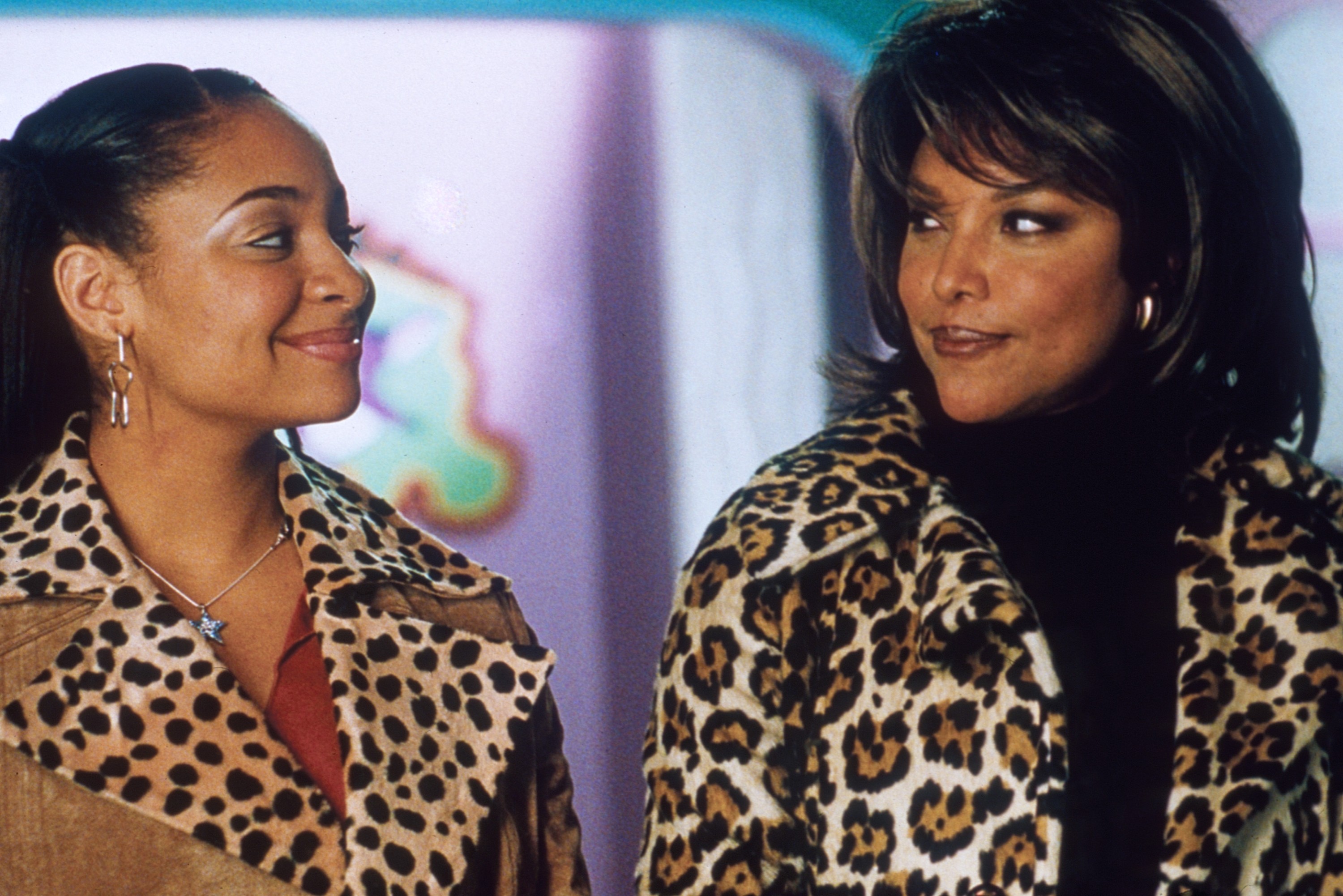
At 19:13 UTC on 8 July 2026, Variety reported what tens of thousands of social-media users had already clocked earlier in the day: a new Cheetah Girls film is in production, Raven-Symoné is on set, and the project carries the working title The Cheetah Girls: Next Gen. The franchise's original breakout, who announced the news on her official Instagram on Wednesday, told her followers she was already filming.
What we know — and what is still being kept back
The reboot arrives under the working title Cheetah Girls 4 in some trade chatter and Next Gen in the performer's own framing, a small but meaningful split. The Instagram post is a confirmation of involvement, not yet a plot summary, and Disney — the studio that owns the Cheetah Girls catalogue — has not, as of the Variety report, released a synopsis, a release window, or a list of returning cast beyond Raven-Symoné. The other three leads of the 2003 original — Adrienne Bailon, Kiely Williams, and Sabrina Bryan — were not named in the announcement Variety cited, and whether any of them will join her on set is the question the post itself leaves open. Production is reportedly underway; that, for now, is the story.
Why this matters beyond nostalgia
The Cheetah Girls, for the cultural generation that grew up with them, were not just a Disney Channel original movie. They were one of the first mass-market studio properties built around a Black female ensemble cast whose on-screen identity — a girl group, a boarding-school rivalry, a music-industry apprenticeship — travelled well outside the United States. The 2003 film and its 2006 sequel together sold millions of soundtrack units, generated a touring franchise, and turned the title into something closer to a brand than a single film. A reboot that explicitly bills itself as "next gen" is therefore not just a reissue; it is an attempt to inherit a community the original built.
The structural problem every legacy reboot now faces
Disney has spent the last two years re-opening almost exactly this kind of catalogue. The company has been transparent, in earnings calls and investor presentations, about the strategic logic: established intellectual property travels further in a fragmented attention market than new IP, and family audiences — the segment the Cheetah Girls original was engineered to serve — are the cohort that has both the most discretionary time and the most reliable merchandise behaviour. The numbers behind that thesis are not in dispute. What is more contested is whether a legacy title, recast with younger leads around the surviving original, can hold the parents who watched the first film and the children who have not.
The counter-read: who owns a sequel?
There is a quieter, harder question underneath the trade coverage. Raven-Symoné is the only original cast member confirmed on set, which gives her a particular kind of authority over the project — the kind that, in other franchise reboots, has been contested by co-stars publicly and at length. The original four-person ensemble built the audience together, and the structural argument that a reboot ought to reflect that will not go away simply because one of them arrived on set first. Disney has not commented on the broader cast question as of the Variety report, and the studio's silence is itself part of the story: the longer the gap between one confirmed name and the rest of the slate, the more that gap will be read.
Stakes
If the film works commercially — and the franchise's track record suggests it has a credible shot — the win is twofold. Disney recovers a valuable catalogue property in a market that has rewarded exactly this kind of move. The original cast, or at least the portion of it that lands on screen, gets a second commercial cycle on a title that defined an early stage of their careers. The losses, if the film underperforms, are the more familiar ones: a beloved property is associated in the public mind with a project that did not land, and the four leads who built it together are pushed into the uncomfortable position of being asked, individually, whether they are in or out of their own sequel. The audience, meanwhile, gets a familiar choice: watch the legacy title with the original star, or wait to see whether the rest of the ensemble is announced at all.
What is still uncertain
Variety's report is built on a single Instagram post and the trade's confirmation that production is underway. The studio has not released a synopsis, a release window, or a fuller cast list. It is not known whether the film will debut on Disney+, where the franchise's most recent direct-to-platform projects have landed, or in theatrical release, where the original 2003 film made its case. The financial structure of the project — production budget, talent deals, soundtrack partner — has not been disclosed. None of this is unusual for a film at this stage, but it is the reason the announcement is being read as a tease rather than as a launch.
How Monexus framed this: the wire gave us one confirmed name and a working title; we held the rest of the reporting to what the trade actually sourced, and flagged the open cast question rather than filling it in.