Sébastien Vaniček's 'Evil Dead Burn' rewires the franchise's family horror for a French register
The French director of 'Infested' lands the latest 'Evil Dead' installment, and IndieWire's review argues the result is the strangest entry yet — a Deadite picture built around in-laws rather than teenagers.
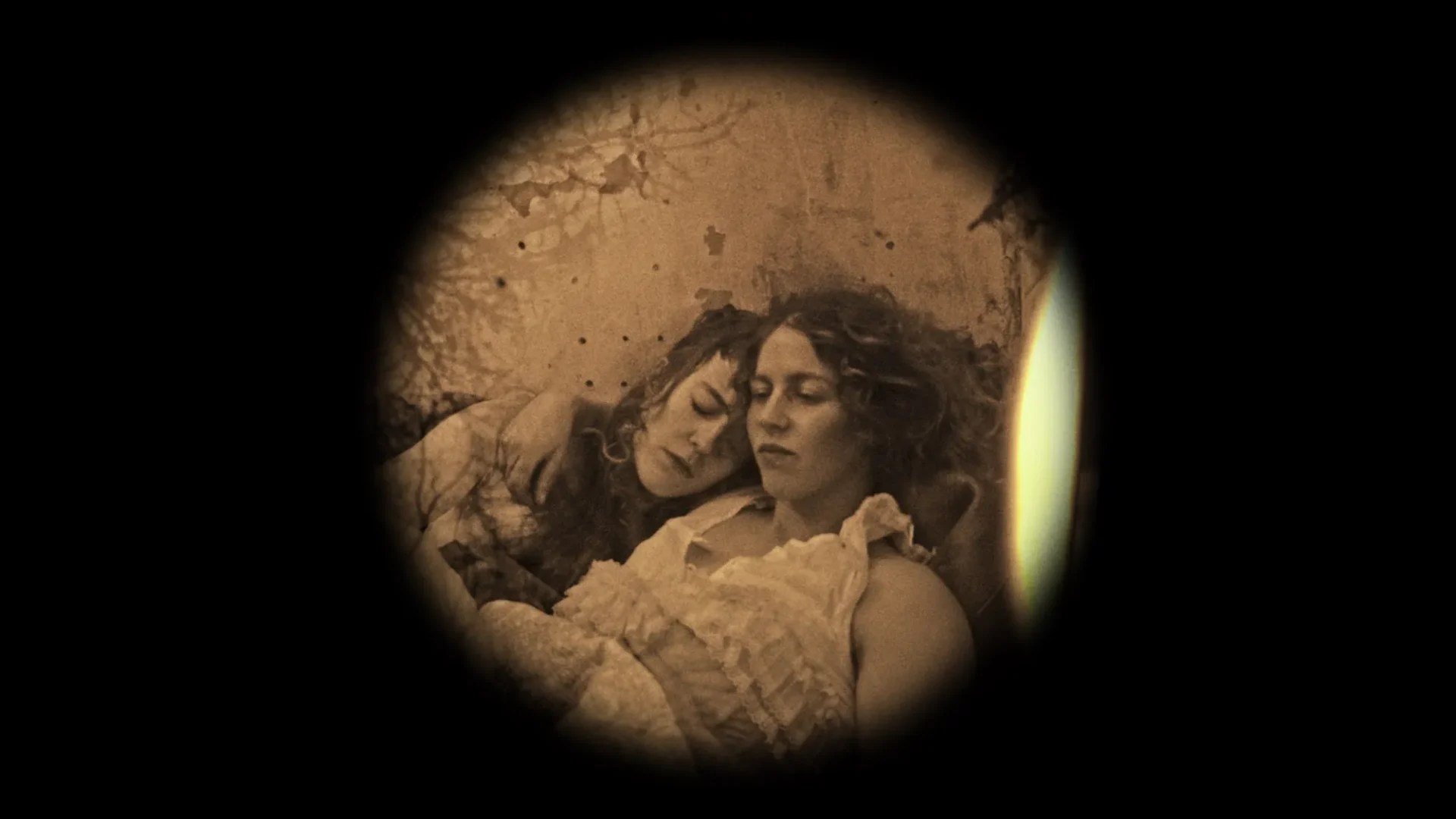
A new "Evil Dead" film has always been a test of tone. The franchise began with Sam Raimi's cabin-in-the-woods schlock and survived a 2013 remake that leaned hard into the torture-horror register; whatever arrived next had to thread a needle between pastiche and exhaustion. By that measure, Sébastien Vaniček's "Evil Dead Burn," reviewed by IndieWire's critic on 8 July 2026, registers as an outlier — a Deadite picture pitched less at teenagers hiding from monsters than at adults hiding from one another.
IndieWire's read of the film is that the French director has imported the structured chaos of his breakout "Infested" (2023) into Sam Raimi's longest-running possession mythology, and that the result is "the single strangest Deadite movie to date." The piece frames the film as a collision between French cinema's appetite for the bourgeois-family grotesque and the splatstick lineage that Raimi established in 1981.
A franchise grown up, or grown uncomfortable
The "Evil Dead" lineage has always foregrounded isolation: a remote cabin, a tape recorder, a small group of friends sealed off from help. IndieWire's review of "Evil Dead Burn" argues that Vaniček shifts that formula. The Deadites arrive, the review says, but the horror they crystallise is the horror of the in-law — the family-by-marriage whose presence a couple has to negotiate at the cost of privacy, autonomy and sleep.
That is a recognisable French-cinema move. From the bourgeois unease of Claude Chabrol's married-couple thrillers through the domestic pressures of Julia Ducournau's "Titane" and "Anatomie d'une chute," French genre filmmaking has long treated the household as a site of menace. Vaniček, IndieWire suggests, places that sensibility inside Raimi's demonic-apparatus box and lets the two fight.
The review uses the phrase "oddly emotive gorefest" — language that signals the film is not pitched as a canon entry in the Raimi/Robert Tapert lineage so much as an auteur detour through it. For a franchise that has cycled between sequels, a reboot and the recent "Evil Dead Rise" (2023), that reframe is itself a story: a studio entrusting its tentpole horror IP to a European genre director on the strength of one breakout film.
The IndieWire reading
IndieWire's review is the lead source on this film for now. The outlet frames "Evil Dead Burn" as an "organized chaos" production, a phrase that fits a director whose previous work — the 2023 feature "Infested" — used real and animatronic insects to build a contained siege in a single Paris apartment block. IndieWire's writer argues that Vaniček carries that sense of geometric, fast-moving ensemble pressure into "Evil Dead Burn," but bends it around the more awkward geometry of a multi-generational family gathering.
The reading is plain enough that it can be stated without overreach: a Deadite film that is about families, and a French director who knows what families on screen are for. Whether that translates into commercial traction is a separate question — "Evil Dead Rise" opened to a strong $24 million domestic weekend in April 2023, according to contemporary reporting, and any new entry is being measured against that bar.
Counter-read: when the franchise tone breaks
The counter-narrative is the obvious one. Raimi's original films and the 2013 Fede Álvarez remake ran on a specific contract with the audience: escalating gore, dark humour, and a hero (or rotating heroes) who can be trusted to keep making the worst possible decisions in a recognisable American idiom. A French in-law drama folded into that format risks losing the participatory register that has kept the brand alive across five decades.
There is also a structural concern. IndieWire notes the collision of registers, but the review is one critic's read; the wider critical response, including any French-press reception, will determine whether the "oddly emotive" framing travels. Horror franchises have repeatedly shown that a single auteurist entry can be admired by critics and stranded at the box office — a pattern visible across studio horror since the late 1990s.
What the IndieWire review does establish, on the record, is that "Evil Dead Burn" is being marketed as a tonal departure rather than a continuation. That is a studio-level decision worth noting on its own terms, independent of whether the film lands.
Stakes: what an auteur detour costs a franchise
The commercial stakes are straightforward. "Evil Dead Rise" established that the brand could open at horror-event scale outside a Sam Raimi or Bruce Campbell spotlight; any new entry that materially changes tone is gambling that an established audience will follow the shift. For Vaniček, the stakes are reputational: "Infested" was a Sundance breakout and a French box-office performer, and the Evil Dead assignment is a step up in budget and visibility, but it is also an assignment where the floor — a film that nobody notices — is real.
For the wider French genre scene, the bet is more diffuse. A French director landing a major American horror franchise is itself a small data point in the long-running conversation about how European genre film travels. The reception of "Evil Dead Burn," whenever it broadens beyond IndieWire's review, will be read in two directions at once: as a Deadite picture and as a Vaniček picture.
What remains uncertain
The IndieWire review is the only on-record critical take available at the time of this article's publication. The outlet's framing — "single strangest Deadite movie to date," "oddly emotive gorefest" — is one critic's read of one cut of the film. Wider critical and audience response, including French-press reception, will determine whether the tonal gamble lands or reads as misjudged. Distribution specifics, including any French theatrical release, are not addressed in the source material reviewed here.
Desk note: Monexus treats this as a single-source cultural review story, anchored to IndieWire's 8 July 2026 review. The piece avoids speculating about box office, festival play, or the wider cast beyond what the review surfaces.
Wire provenance
This editorial synthesis draws on the following public wire/social posts:
- https://t.me/s/indiewire
- https://en.wikipedia.org/wiki/Evil_Dead
- https://en.wikipedia.org/wiki/Evil_Dead_Rise
- https://en.wikipedia.org/wiki/S%C3%A9bastien_Vani%C4%8Dek
- https://en.wikipedia.org/wiki/Infested_(2023_film)