Mubi acquires Eleanor Coppola's Marie Antoinette documentary, marking a 20-year anniversary of Sofia Coppola's original
Mubi has picked up worldwide rights to Eleanor Coppola's behind-the-scenes film about her daughter's Oscar-winning 2006 feature, timed to the 20th anniversary of the original release.
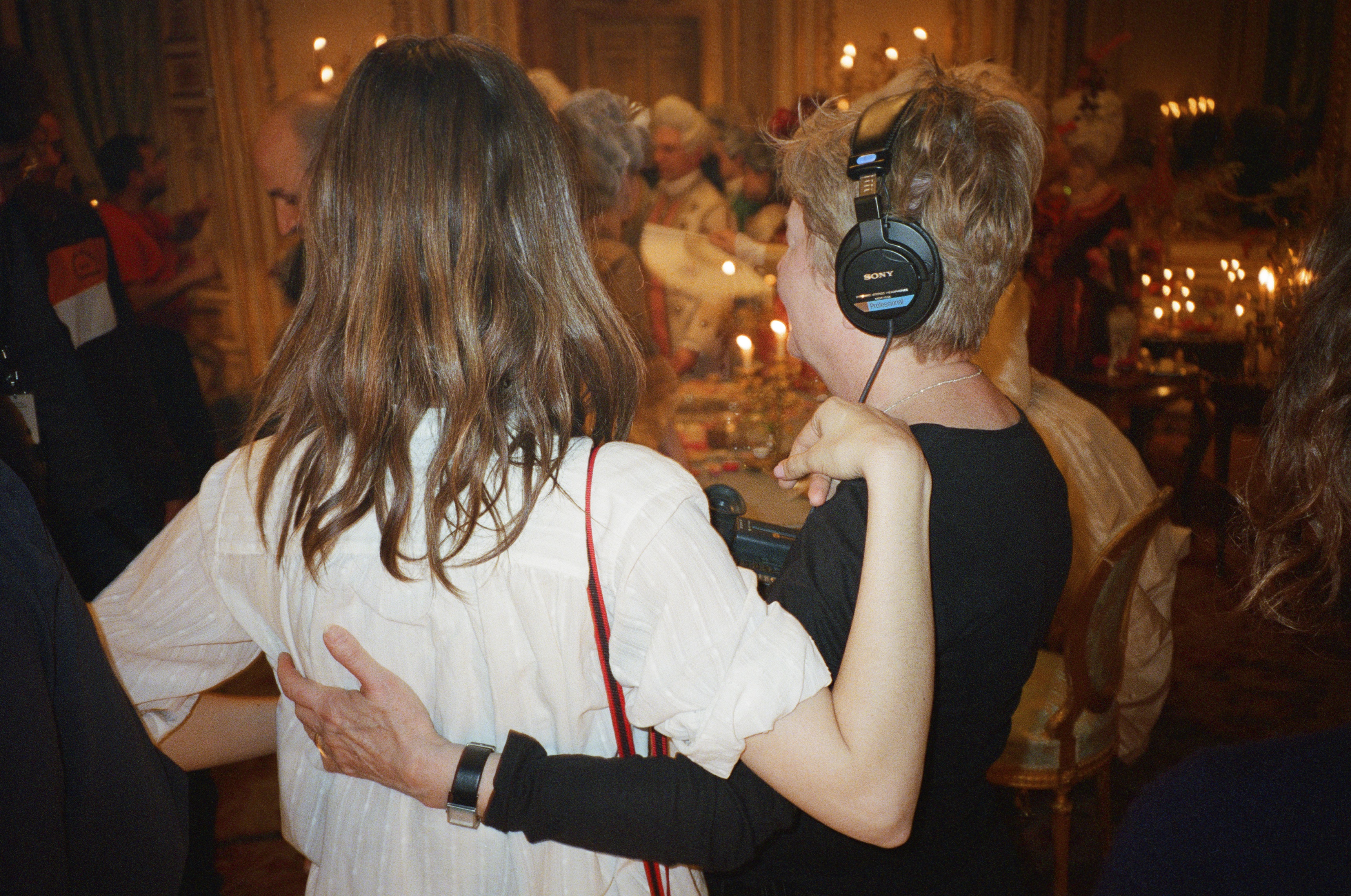
Mubi has acquired worldwide rights to "Making Marie Antoinette," Eleanor Coppola's documentary chronicling the production of her daughter Sofia Coppola's 2006 film "Marie Antoinette," Variety reported on 8 July 2026. The acquisition, announced in the run-up to the original film's 20th anniversary, is the latest move by the global streaming-and-cinema platform to stake out a permanent home for auteur-driven behind-the-scenes work.
The deal gives Mubi a globally available making-of film that doubles as a piece of family and film history. Eleanor Coppola, the widow of Francis Ford Coppola and a documentary filmmaker in her own right, sat on set during the original shoot; the resulting footage has, until now, lived largely outside the formal distribution system. Mubi's purchase puts it in front of a paying international audience for the first time.
What Mubi is actually buying
The film is, on its face, a portrait of a production. Eleanor Coppola's camera followed Sofia Coppola's cast and crew through the 2005-2006 shoot, capturing the kind of detail that usually disappears once a feature is cut and released: the costume fittings, the long table reads, the Versailles-set camera moves that took weeks to block. Variety's brief on the acquisition does not specify runtime, completion date, or whether the documentary will be paired with a restored re-release of the 2006 feature — questions that will shape how audiences actually encounter the work.
What is clear is the timing. "Marie Antoinette," distributed by Sony Pictures in 2006, won the Academy Award for Best Costume Design at the 2007 ceremony and became a touchstone of mid-2000s indie cinema. A 20th-anniversary moment is exactly the kind of cultural hook that platforms like Mubi are now built to monetise: the anniversary supplies the press cycle, the original audience supplies the nostalgia, and the streaming infrastructure supplies the distribution.
Why a platform, not a studio
Mubi is not a studio in the Disney-or-Sony sense, and the distinction matters. The company has spent the last several years building a catalogue that prizes curatorial identity over volume — daily drops of single films, a parallel theatrical business, and an editorial voice that has positioned it as a destination for cinephiles rather than casual viewers. Acquiring a documentary tied to a Palme d'Or-nominated, Oscar-winning feature fits that brief cleanly. It also continues a pattern: Mubi has been picking up rights to archival and behind-the-scenes material at a moment when traditional studios are scaling back their documentary slates.
The bigger question is whether the platform's audience is large enough to support a worldwide rollout of a single, prestige-leaning documentary. Mubi's subscriber base, while loyal, remains a fraction of Netflix's or HBO Max's, and theatrical windows for documentaries have shrunk across the industry. The company will be betting that the "Marie Antoinette" anniversary story travels further than the documentary's subject matter on its own.
The Coppola archive question
The acquisition also draws a line into a separate, more difficult conversation about the Coppola archive. Francis Ford Coppola's death in 2024 left a substantial body of work — and family-held footage — in the hands of his estate and the wider Coppola family business. Eleanor Coppola's own documentary work, much of it produced outside the Hollywood studio system, has historically circulated in festival and limited-release channels rather than through major streaming platforms. "Making Marie Antoinette" is the first clear signal that this material may be moving toward wider commercial release under a curatorial banner.
That has implications beyond the Coppola family. If Mubi is willing to make a worldwide bet on a behind-the-scenes documentary tied to a two-decade-old film, other rights-holders will notice. The market for making-of features — long a niche dominated by boutique labels and physical-media collectors — has been quietly repricing itself as platforms look for catalogue gaps that can be filled with prestige-adjacent material.
What remains uncertain
Variety's report does not specify the financial terms of the Mubi acquisition, the documentary's release date, or whether the original "Marie Antoinette" will be reissued alongside the new film. The report also does not name Sofia Coppola's involvement in any commentary or interview segments that may appear in the documentary, leaving open the question of how prominently the director herself features in her mother's film. These are not unusual omissions at the acquisition stage, but they shape what the release will actually look like once it reaches audiences.
What can be said with confidence is that Mubi has chosen, as its first major documentary acquisition of 2026, a film that sits at the intersection of family memoir, production history, and anniversary marketing. The platform's editorial pitch is that this combination adds up to something larger than the sum of its parts. The next twelve months will tell whether the audience agrees.
This Monexus desk piece is built from a single wire scoop in Variety and does not extrapolate beyond the reported facts. The acquisition is a distribution story with an anniversary marketing angle, not a critical reassessment of Sofia Coppola's 2006 film — that conversation is for the film desk, and for when the documentary itself is in front of viewers.