Trump's Ankara Boast and the Iran Assassination Question: Read the Quote, Not the Coverage
On 8 July 2026 the US president told reporters at the NATO summit that Iran wants him dead. The line is real, the threat is real — and the reflexive cable coverage is missing the more interesting story.
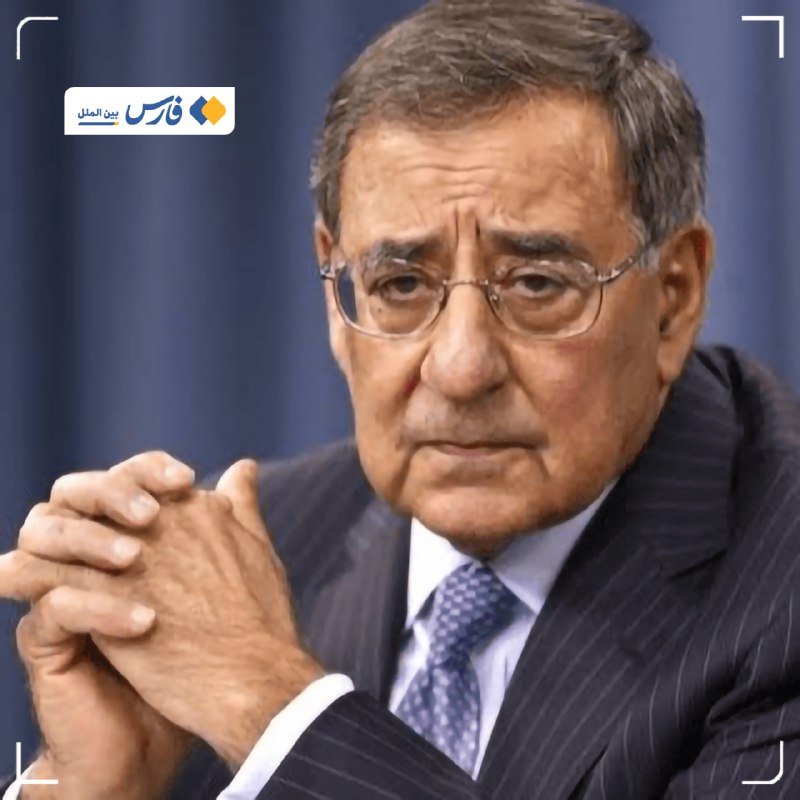
The line landed at 16:58 UTC on 8 July 2026, repeated three times before the day's end: Donald Trump, asked in Ankara about a reported switch away from the new Air Force One on the flight home, told reporters that Iran is trying to kill him. "I may be gone too, because I'm their number one target." The quote is being relayed through the open-source @Osint613 account and a witness channel at the NATO summit. Strip away the theatre and the remark is a routine presidential claim about an adversary's intentions. Strip away nothing and the line still tells you less than the press conference did.
The interesting question is not whether Tehran's intelligence services would, given the opportunity, prefer the current occupant of the White House gone. That is a long-standing and well-documented posture inside the Islamic Republic's strategic literature, and any administration — Democratic or Republican — that backs regime pressure at this intensity should assume retaliation is on the menu. The interesting question is what an American president gains, in real terms, by saying it out loud, three times, on the same day, in front of NATO allies who are about to be asked to do harder things in the Gulf.
The line, in context
Trump's full comment, as captured by the witness feed, was a pairing. First, the warning: "When they hit, we hit 10 times harder." Second, the de-escalation: "I don't think it's gonna start again... I think anything that happens is going to be over very quickly." The pairing matters. It is the rhetorical shape the administration has used since the spring — explicit threat, explicit prediction of short conflict, no mention of a war plan that survives contact with a peer adversary. Read together, the two halves cancel out. The threat is meant to deter; the de-escalation is meant to reassure allies. Reporters, predictably, have led with the threat.
The other quote, the harder one
More revealing was Trump's attempt to explain why his Iran vocabulary has shifted. He had previously called Iran's leaders "very rational"; on 8 July he called them "scum" and "sick people." Asked by a reporter to square the two, he replied that he now views them differently — without elaboration. The diplomatic read is that something in the intelligence pipeline — a foiled plot, a leaked directive, a still-classified incident — has moved the needle inside the White House. The cynical read is that the insult cycle serves a domestic audience that has stopped distinguishing between rhetoric and policy. Both reads are defensible. Neither is in the ledes.
What the framing gets wrong
The dominant wire frame this week treats Trump's remarks as performance — which they partly are — and therefore as safely ignorable. That is the wrong inference. Three observations push the other way. First, presidential language about assassination has a documented history of hardening operational planning on the other side, not softening it. Tehran's decision-makers do not consume American press conferences as theatre; they consume them as signal. Second, the NATO summit is the wrong venue for an unsanctioned threat against a third party; it puts European allies in the position of either backing language they have not been briefed on or publicly distancing themselves in the middle of a summit. Third, the choice not to fly the new Air Force One on the return leg is, on its own, a security decision. The fact that Trump volunteered the assassination explanation for it, rather than letting logistics speak for themselves, is the story. The line is not the story. The decision to explain the line, in those words, in that room, is the story.
What remains uncertain
The sources do not specify what triggered the rhetorical shift from "very rational" to "scum," and the witness feed does not name any new intelligence product. The plane-switch rationale is reported as Trump-attributed; no allied government has confirmed or denied the security framing. And the line "I may be gone too" is, for now, a campaign-trail register applied to a NATO-stage question. Whether the rhetoric hardens into a written finding, a new designation, or a quiet policy shift will be visible in the next seventy-two hours. Until then, treat the quote as data — but treat the press conference as the larger sample.
Desk note: Monexus reads these remarks as signal, not theatre, and treats the gap between Trump's two-toned quotes as the actual news. Mainstream wires have led with the threat and buried the de-escalation; we have run them together.
Wire provenance
This editorial synthesis draws on the following public wire/social posts:
- https://twitter.com/Osint613/status/2074895877563412812/video/1
- https://t.me/wfwitness
- https://t.me/osintlive