Sirens sound in Bahrain and Qatar as Iran-linked alert sweeps the Gulf
Two U.S.-allied Gulf monarchies activated civil-defence sirens within minutes of each other late on 8 July 2026, in an alert wave that four open-source channels attributed to an Iranian threat.
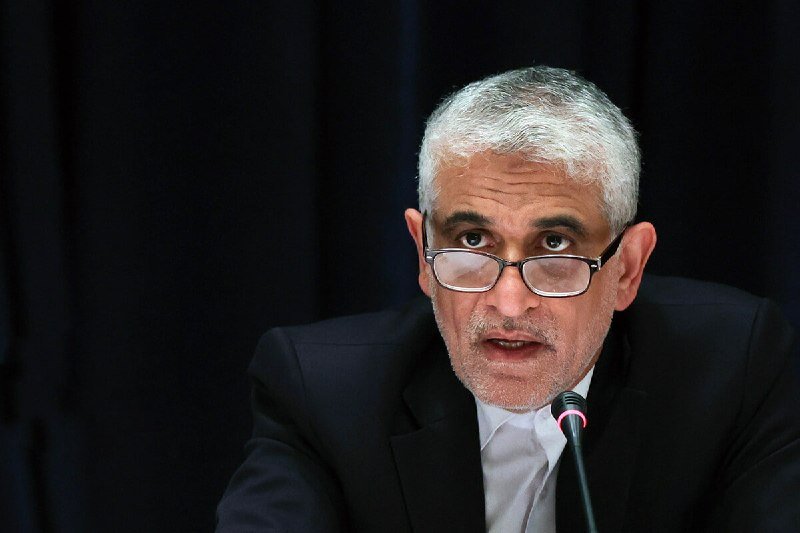
At 00:32 UTC on 9 July 2026, civil-defence sirens were activated across Bahrain, with parallel early-warning alerts issued in Qatar two minutes later. Within roughly four minutes, at least four Telegram channels monitoring regional flashpoints had carried the warnings to their combined audience of several hundred thousand followers, framing the alert wave as a direct response to an Iranian threat. The two monarchies host the U.S. Navy's Fifth Fleet and Al Udeid Air Base respectively, and any successful test of their early-warning systems is a politically loaded act.
The most plausible reading of the alert is the one the channels themselves advanced: that Manama and Doha chose, almost simultaneously, to demonstrate that their civil-defence architecture is wired to detect and warn on Iranian missile and drone activity in real time. The chronology is too tight to be coincidence. The first siren report was logged at 00:32 UTC; the Qatar early-warning alert followed at 00:33 UTC, per a near-simultaneous post by the open-source channel Middle East Spectator. By 00:33 UTC, RNIntel had carried the same warning with the same Bahrain-Qatar pairing. The pattern is consistent with a coordinated public signalling exercise, not two unrelated local incidents.
What the open-source layer saw
The earliest posts cluster around a single minute. At 00:32 UTC, GeoPolitical Watch reported "Sirens in Bahrain! Explosions in Bahrain!" — a claim it then softened in a follow-up message, dropping the explosions reference. The same channel flagged sirens in Qatar a minute later. Intelslava and RNIntel each carried Bahrain-only siren reports at 00:32 UTC, and Middle East Spectator logged the Qatar alert at the same timestamp. None of the four channels cited Bahrain's Interior Ministry, Qatar's Ministry of Interior, or any state news agency; the sourcing chain runs from geolocated Telegram correspondents to aggregation channels to a wider audience, with no official confirmation visible in the open record.
That sourcing gap is the article. Telegram channels operating in the Iran-watching ecosystem have grown into a real-time wire service for Gulf flashpoints, often faster than wire desks and almost always without the institutional sourcing that comes with a Reuters byline. The trade-off is well known to anyone who follows the region: speed and on-the-ground texture in exchange for an editorial layer that has, in past cycles, amplified unverified claims about Israeli strikes, Iranian retaliation, and Houthi drone launches. A siren that is later attributed to a routine air-raid drill reads the same, in a Telegram screenshot, as a siren that precedes a missile impact.
The signalling geometry
Bahrain and Qatar are not symmetric actors. Bahrain is a small island kingdom, geographically tight, with a Sunni ruling family that has long positioned itself inside the U.S. security umbrella and that has, in recent years, hosted normalisation talks with Israel. Qatar is larger, hosts the largest U.S. air base in the region, and has built a foreign policy partly on mediation — including the Iran-engineered hostage negotiations of previous administrations. A joint alert posture compresses two distinct strategic positions into a single visible act.
That compression matters. In the Gulf, civil-defence sirens are a political instrument before they are an operational one. They tell domestic audiences that the state is awake, regional audiences that the security architecture is functioning, and Iranian planners that the cost calculus of any strike includes an alert pipeline that is observable, in real time, by the open-source layer. Even a drill is a drill that Iran can read.
What the framing leaves out
The dominant frame on the channels that broke the alert — an Iranian threat, treated as established fact by the time the second post landed — is the most plausible read of the events but not the only one. The sources do not specify whether the sirens were triggered by an actual inbound threat, by a scheduled drill, or by a false alarm; the follow-up GeoPolitical Watch post, which dropped the "explosions" line, suggests that even the originating channel was unsure. Bahraini and Qatari authorities had not, at the time of writing, issued a public statement identifying the cause. Without that confirmation, the article can note the alert, the timing, the pairing, and the channels' interpretation; it cannot assert a cause.
That uncertainty is the part of the story that the Telegram layer tends to compress. The channels carried the alert as Iranian; the evidence, in the open record, is an alert, not a causation. The gap is small in real time and large in retrospect. Past alert cycles in the Gulf have been followed by calibrated strikes; past alert cycles have also been followed by statements that the sirens were part of a routine exercise. The open-source record on this event, at the time of writing, supports only the alert and the channels' interpretation of it.
Stakes
For the Gulf monarchies, the operational stakes are unchanged by whether the sirens were drill or live: civil-defence systems that can be activated without warning and observed in real time by an open-source layer are a deterrent asset, not a vulnerability. The diplomatic stakes are sharper. Iran has, in recent months, tested the alert architecture of its neighbours in part to map response times, and Bahraini-Qatari coordination in this window is a signal that the two governments are willing to make those response times visible.
For the open-source layer, the stakes are credibility. Telegram channels broke the story faster than any wire; they also broke it without institutional sourcing. The next alert, in either country, will be read against this one. If it turns out the sirens were a drill, the channels that carried the alert as fact will have a credibility line item to settle. If the sirens precede a real event, they will have a precedent. The honest reading, given the evidence, is that the alert happened, the channels reported it, and the cause remains officially unconfirmed.
This publication has treated the alert wave as the channels framed it — a near-simultaneous Bahraini-Qatari activation, attributed by open-source channels to an Iranian threat — while flagging that Bahraini and Qatari authorities had not, at the time of writing, publicly identified the cause.
Sources
Wire provenance
This editorial synthesis draws on the following public wire/social posts:
- https://t.me/rnintel/
- https://t.me/GeoPWatch/
- https://t.me/Middle_East_Spectator/
- https://t.me/intelslava/
- https://en.wikipedia.org/wiki/Civil_defense_in_Bahrain
- https://en.wikipedia.org/wiki/Al_Udeid_Air_Base