McIlroy's Scottish Open Return Signals a Tour Reshuffle, Not Just a Round
A five-under 65 in his first competitive round since the Masters gave Rory McIlroy a share of the Scottish Open lead — and a platform to press his case on the future shape of the tour's calendar.
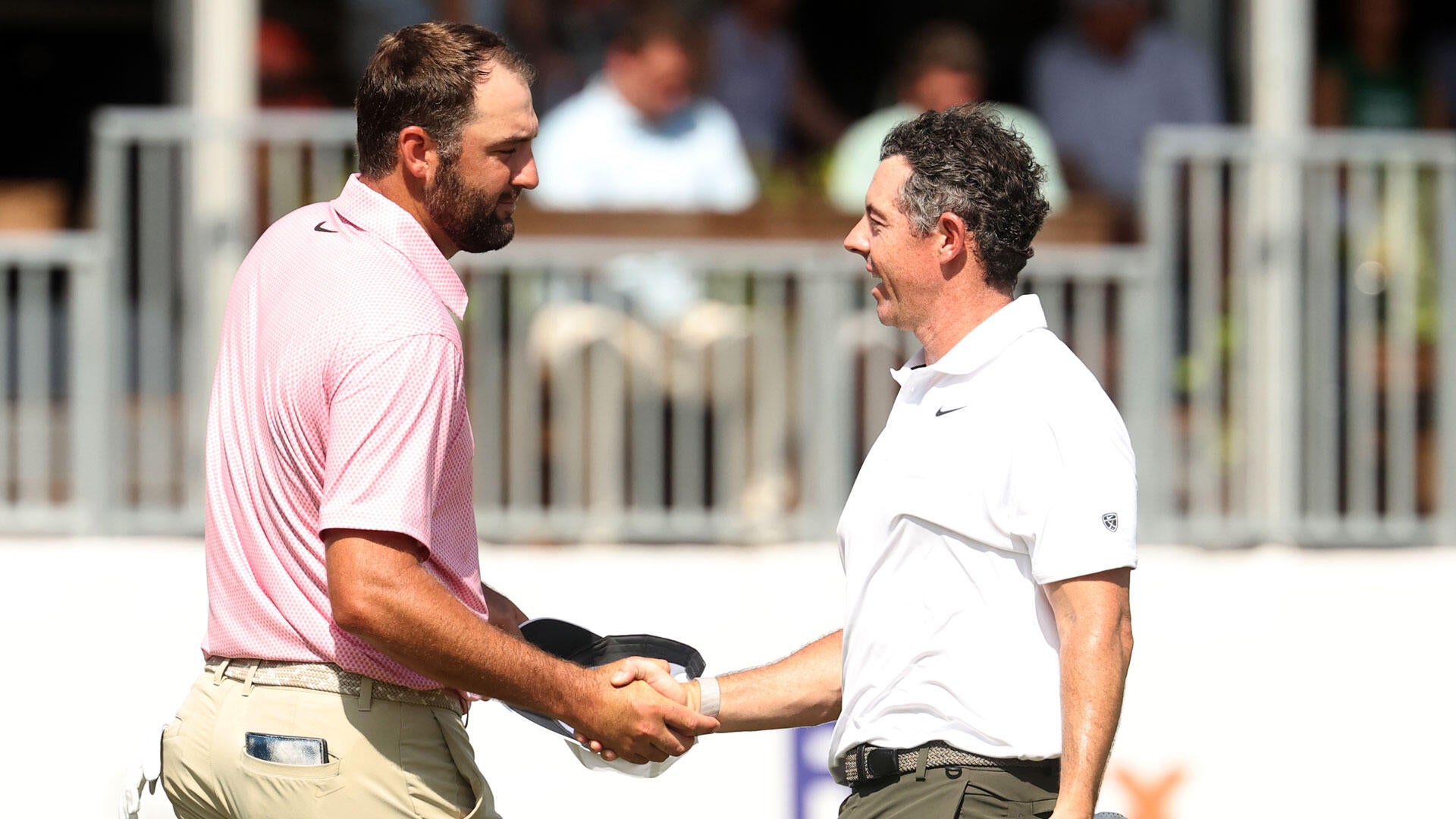
Rory McIlroy returned to the kind of golf he grew up playing and reminded the field, the officials and the broadcast partners exactly what that means. On 9 July 2026 at the Renaissance Club, the Northern Irishman opened the Genesis Scottish Open with a five-under 65 — a bogey-free card built on patient iron play and the flat, running shots that links golf rewards — to finish the first round tied at the top of the leaderboard (BBC Sport, 17:35 UTC). It was McIlroy's first competitive round since the Masters in April and, by some distance, his cleanest of the year.
The 65 mattered less for the single figure than for what it signalled. McIlroy is using the week as a pointed audition for an idea he has been pushing for months: that national opens — the Scottish, the Irish, the Open itself — should be the structural spine of any reform to the PGA Tour's calendar from 2028, not an afterthought slotted around signature events (Sky Sports, 12:00 UTC, 8 July 2026; BBC Sport, 14:34 UTC, 8 July 2026). A player pushing the tour to "be careful" with a tournament he is simultaneously leading is not a man in any hurry to leave.
A links convert, one round in
Inside the ropes, the case was simple. McIlroy's touch on and around the greens at the Renaissance Club looked closer to his 2014 form than anything he has produced in the spring events in Florida and Texas. Putts ran true; chips checked and released without snagging. For a player whose season had been defined by mid-iron inconsistency and three-putt lapses, it was the cleanest first lap he could have asked for on the eve of the Open at Royal Liverpool (BBC Sport, 14:59 UTC, 9 July 2026).\n The card did not feature any eagles and did not need to. Five birdies, no dropped shots and a stroke gained: approach figure that, on a North Sea morning, is as good as anyone else's. McIlroy called the round "liberated" in his post-round media; the choice of word was deliberate. He has spoken for two years about how the game's modern schedule — elevated events, limited-field fields, big purses but small fields — has squeezed the developmental role the old national opens used to play for him as a teenager in Holywood.
The warning shot at the tour
A day earlier, McIlroy had framed the Scottish Open as something closer to a test case. He urged the PGA Tour to "be careful" with the tournament's future when it introduces a two-tier format in 2028 — a restructuring that will separate top-tier signature events from a second band of full-field tournaments (BBC Sport, 14:34 UTC, 8 July 2026). The Scottish, by virtue of its Open-qualifying role, has historically punched above its field strength. Under a two-tier model, that status is not guaranteed.
In a separate interview with Sky Sports on the morning of 8 July, McIlroy went further, calling the Scottish Open "perfect preparation" for the Open and a "blueprint" for how national opens should be integrated into the new schedule (Sky Sports, 12:00 UTC, 8 July 2026). The pitch is structural: keep a small, curated set of full-field national opens at the heart of the calendar, use them as feeders and qualifying routes for the majors, and let the elevated events orbit rather than replace them.
There is a self-interested edge. McIlroy is a co-founder of TGL, the indoor league, and a player-director on the tour's policy board. He profits when elevated events thrive. But the Scottish Open argument is harder to dismiss on those grounds alone: it is the only full-field event on PGA Tour soil that has direct Open Championship qualifying on the line, and a tournament he has won before.
What the calendar fight is really about
The two-tier format being phased in for 2028 is the operational expression of the framework agreement the tour signed with the Strategic Sports Group in early 2024 and the longer-running effort to compress top-end purses into a smaller number of headline weeks. Strip away the marketing and the model is straightforward: protect the stars' earnings by concentrating sponsor and broadcast value, and use the second tier to deliver playing opportunity without diluting purses. McIlroy's objection is not to that logic in principle; it is to the idea that national opens can be safely relegated to the second tier without hollowing out their developmental and qualifying function.
A useful counter-argument exists. Elevated events do deliver higher average field strength, and the tour's commercial partners have asked, repeatedly, for consistency in the headline product. A Scottish Open contested opposite a signature event on US soil will lose the McIlroys of the world more often than not. But the McIlroy counter is that losing the occasional tournament is not the same as losing the route to the Open, and the latter is what a structural downgrade risks.
This article will be updated through the week as the Scottish Open progresses and the Open field begins to take shape.
Desk note
How Monexus framed this versus the wire: the BBC and Sky Sports reports both treated McIlroy's 65 as a one-day result; we are treating it as the visible part of a longer argument he has been building all summer about how the 2028 calendar should be drawn.