Quansah ruled out of England's quarter-final after FIFA imposes two-match ban for Mexico red card
Jarell Quansah will miss England's World Cup quarter-final — and a potential semi-final — after FIFA hit the defender with a two-match suspension for his sending-off against Mexico.
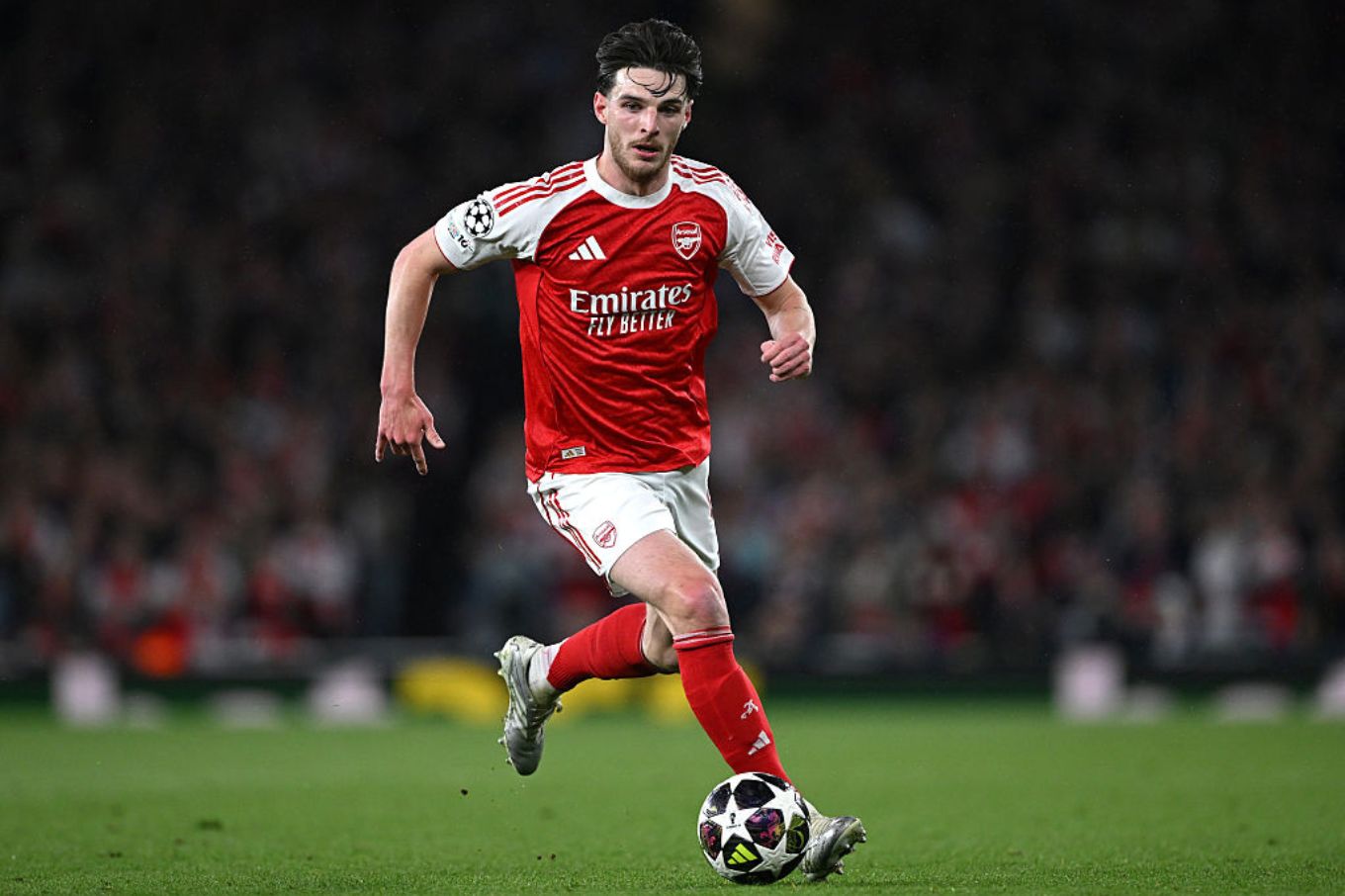
England's World Cup campaign has lost a defender, not a match. FIFA's Disciplinary Committee on 9 July 2026 upheld a two-match suspension for Jarell Quansah, ruling the centre-back out of the quarter-final and, should England progress, the semi-final as well. The ban follows his straight red card in the round-of-16 win over Mexico, a match England negotiated without him for the final stretch.
The decision, reported at 17:02 UTC by the Football news desk and confirmed by BBC Sport at 17:00 UTC, converts what had been an on-pitch moment into a tournament-defining absence. Quansah's challenge was classified as serious foul play under FIFA's disciplinary code, a designation that carries an automatic minimum of two matches unless the sanction is reduced on appeal. England have not, as of Thursday evening, indicated an intention to contest the ruling.
The incident and the ruling
Quansah, used at full-back by Gareth Southgate's staff in the knockout stage, was dismissed in the closing stages of England's round-of-16 victory. According to ESPN's wire report at 18:58 UTC, the defender received a two-game ban for "serious foul play" — the standard FIFA category for tackles deemed to endanger the safety of an opponent. The Football correspondent's account, published minutes earlier, framed the same finding in plainer language: a two-match suspension for a challenge that left the disciplinary panel with little discretion to go lower.
A two-match ban is the floor, not the ceiling, in such cases. That it landed at the floor suggests the panel did not view the foul as the worst of its type, but it also forecloses the more lenient options — a one-match suspension, or a reprimand — that England might have hoped for.
What England lose
The timing is the cost. A round-of-16 red card in a tournament short on recovery days produces a backloaded absence: a player is available in the next group fixture but unavailable precisely when the fixtures sharpen. Quansah will sit out the quarter-final regardless of opponent, and, if England advance, the semi-final. He could return for a final on 19 July, but only if England's path runs that far and the suspension is not extended.
Southgate now has a selection problem that the squad's depth was supposed to solve. Marc Guéhi and John Stones are the senior options at centre-back; the right-sided berth Quansah had been asked to fill is more thinly staffed. The likeliest internal response is a tactical reshuffle — a switch back to a back four, or the promotion of a squad player who has had limited minutes in the United States.
A routine call, or one worth challenging?
Appeals in these cases are rarely successful. FIFA's jurisprudence on serious foul play is conservative: the on-field referee's observation carries weight, and video review tends to harden, not soften, the original judgement. England's options, in practice, are limited to requesting a reduction to one match, which would require fresh evidence or a procedural argument the panel has not already weighed.
A more honest framing: the ban is the system working as designed. Straight red cards for serious foul play at a World Cup draw automatic scrutiny, and two-match bans are the modal outcome. England's grievance, if they have one, is with the on-field decision that put them in this position — not with the disciplinary committee that followed the rule book.
What remains uncertain
Two things are still in motion. First, England's stated intent, if any, to appeal. A formal challenge would need to be lodged within the window FIFA sets for such requests; neither BBC Sport nor ESPN's wire report indicated one was forthcoming. Second, the identity of the quarter-final opponent, which will be settled by results Monexus went to press without. The harder that opponent, the louder the second-guessing of the original tackle will become — a dynamic that says less about Quansah than about how tournament football metabolises its own contingent moments.
Desk note: Monexus has framed this as a procedural disciplinary story with a tournament-shaped consequence, not a refereeing controversy. The wire coverage was uniform; the analytical value is in the selection problem the ban creates for Southgate's staff.