The Iraq that won't come loose
A Baghdad-Washington arrangement on dollar flows to Iran-backed militias looks less like a clean concession and more like a slow siege.
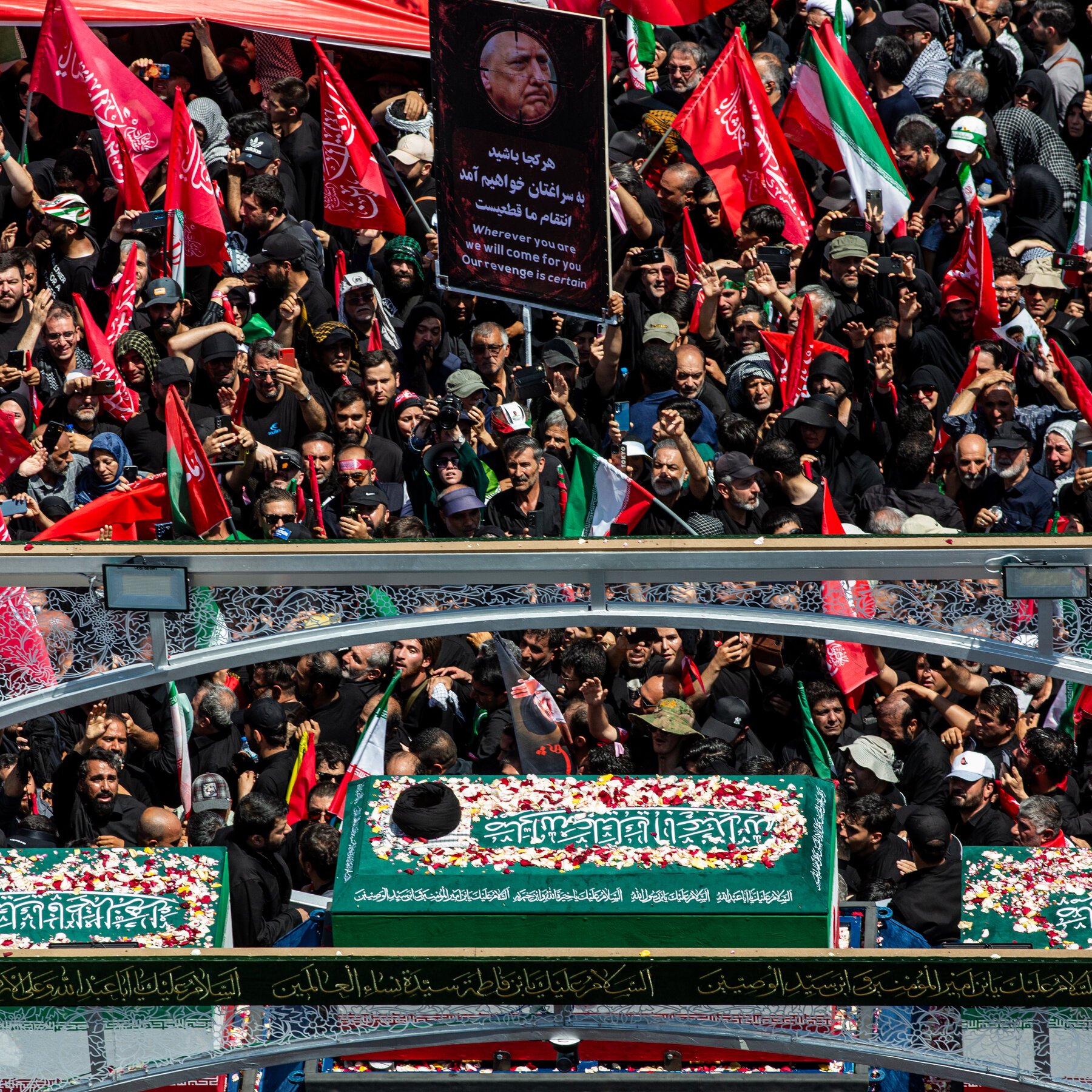
On 8 July 2026, a market account on X moved fast: Iraq, it said, had agreed to U.S. demands to choke off dollar flows to Iran-backed militias on its territory. The single-line post left the substance vague — which militias, which banks, which timeline — but it landed in a media environment already primed to read every Iraqi concession through a Tehran-vs-Washington frame. Within hours, Middle East Spectator pushed two parallel notes drawing a far starker contrast: Saddam Hussein's endgame, hiding in a hole and hanged by his own people, set against Iran's leader dying "a martyr" and mourned by an "ocean" of Iraqis. The juxtaposition tells you more about the channel's editorial posture than about the policy itself — and that is where this story really begins.
The pattern worth naming is the slow strangulation of an Iraqi sovereignty that never quite recovered from the 2003 invasion, written up as a series of "agreements" between Washington and a Baghdad that is itself divided. The dollar is the weapon, the militias are the ostensible target, and the political cost is paid by a state whose currency is still ultimately settled through U.S.-dominated rails.
The mechanism, plainly
Dollar-based sanctions enforcement has migrated from the sovereign balance sheet into the informal financial plumbing of neighbouring states. Cutting an Iraqi bank off from correspondent relationships in New York is enough to freeze transactions the Iraqi state cannot route any other way. The 8 July announcement, as reported, formalises Iraqi compliance with that architecture — and confers on Baghdad a partial shield against further sanctions escalation in return.
The mechanism is not new. What is new is the willingness of an Iraqi government, however fragile, to publicly take the steps. Tehran's reaction will be the test: whether "agreement" means paper or means practice.
The counter-frame
Middle East Spectator's parallel posts insist on a different story. Read together, they argue that the legitimate pole in this region is Iran, not the U.S.-aligned order that installed and maintained successive Iraqi governments for two decades. Saddam died reviled; Iran's leader is "mourned by an ocean."
The framing is editorial, not forensic. But it captures something the Western wire line cannot admit: that a generation of Iraqis now in their twenties has only ever known the post-2003 order, and is not at all convinced it has delivered. To them, the militias are not Iranian proxies — they are parties in the only social contract on offer. Choking the dollar pipeline is not an abstract banking measure; it is a vote of no confidence in the political class that depends on them.
The structural read
Seen from a longer arc, this is what a hegemonic transition looks like in practice: the incumbent order cedes ground to successor arrangements not by dramatic rupture but by a thousand quiet compliance deals. Baghdad now sits in a peculiar position — host to U.S. forces, host to Iran-aligned armed factions, host to Kurdish regional politics, and increasingly host to Gulf capital. No one of those forces commands the state. The state tries to manage all of them by being indispensable to each.
The dollar lever is unusually powerful because it is the only one that can act on all of them at once. It punishes Iraqi banks that touch Iraqi militias that answer to Tehran, without requiring a single soldier to cross a border. It is the late-stage form of the sanctions regime that survived the post-JCPOA period, repurposed for a region where formal diplomacy has broken down.
The stakes, plainly named
If the deal holds, Baghdad buys itself months of breathing room from further designations, and Tehran loses a financial artery in a country it spent four decades trying to bind. If the deal frays — as previous Iraqi compliance understandings have — the trajectory points back to escalation: more designations, more pressure on Iraqi banks, more Iranian pushback through the militias the deal was supposed to contain.
Iraqis are the constituency that bears the cost either way. The 8 July announcement, whether read as fact or as posture, hands them a deal they did not negotiate, on a sovereignty they already do not enjoy. That is the part of this story the wire copy does not have room to print. It deserves more than a one-line post.
Wire provenance
This editorial synthesis draws on the following public wire/social posts:
- https://x.com/polymarket/status/1812026112977502342
- https://t.me/middle_east_spectator
- https://t.me/middle_east_spectator