UCLA lands Serbian prospect Nikola Kusturica, putting the Bruins in the 2028 NBA Draft conversation two years early
UCLA has signed Nikola Kusturica, a Serbian prospect ESPN's insiders label a possible No. 1 pick in 2028, beating Kentucky and Michigan to a player whose college timeline now shapes the early draft picture.
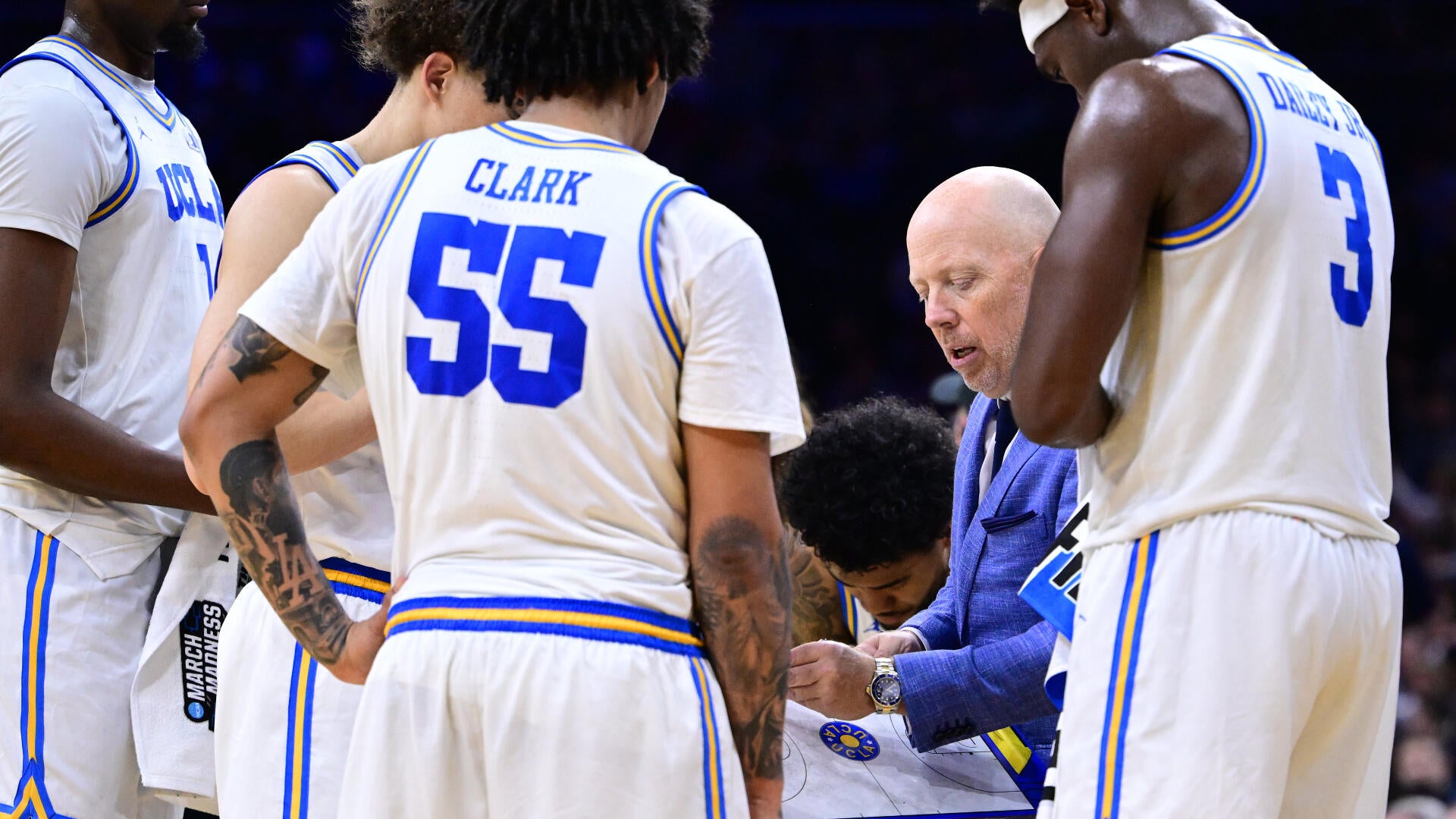
UCLA landed one of the most consequential international men's basketball recruits in years on Wednesday, signing Serbian forward Nikola Kusturica to a multi-year agreement and placing the Bruins at the front of a queue that will not formally open until 2028. ESPN reported the commitment at 16:17 UTC on 9 July 2026, citing sources familiar with the deal; CBS Sports followed with its own report at 17:52 UTC, detailing a recruiting win over Kentucky and Michigan. The move is unusual precisely because of its timing: a player widely viewed as a candidate to be the first overall pick in a draft two years out has chosen a college destination well before the start of his senior season of competitive basketball.
What UCLA has bought, in short, is optionality. Kusturica arrives with the kind of international pedigree and physical projection that college scouts and NBA front offices price as a top-tier lottery asset. For the Bruins, the calculus is twofold: secure a player of this calibre now, and use the 2026-27 season — and likely the 2027-28 one after that — as a measurable run-up to the 2028 draft, with the broadcast, ticket, and development tailwinds that come with housing a presumptive No. 1 pick.
What the deal looks like on the ground
Inside UCLA's recruiting operation, the terms are straightforward. Kusturica's commitment is a multi-year agreement, a structure that gives the Bruins continuity and gives the player the program stability that has become a selling point in an era of frequent college-coaching turnover. The schools UCLA beat for the signing, Kentucky and Michigan, both ranked as serious contenders for Kusturica's services, according to CBS Sports' reporting on the same day. That both programs are established NBA feeders underscores the calibre of the recruit; it is not a fight UCLA won by default.
The timing matters too. In a recruiting cycle where most elite prospects wait deep into their final eligible summers to announce, a 9 July decision locks Kusturica into a program two years before he would become draft-eligible. For a player already branded as a possible 2028 No. 1, the runway at UCLA provides a college stage large enough to test the projections against nightly competition, rather than in fits and starts against uneven international competition.
The international pipeline problem
Kusturica's signing is the latest data point in a pipeline that has pulled European teenagers into American college basketball for two decades. Where the early versions of that pipeline produced wings and stretch bigs who needed years of college strength work, the current wave arrives closer to NBA-ready — and the programs have responded by front-loading their recruiting budgets toward overseas scouting. Kentucky and Michigan, both finalists here, have built entire recruiting infrastructures around that talent pool.
The structural read is that American college basketball is no longer treating the international 18-and-under market as a secondary market. It is, in 2026, where the headliners live. UCLA's win over two of the most established international recruiters in the country is a marker of how competitive that pool has become — and how thin the margin is between a top-five recruiting class and an average one, when a single international signing can swing the perception of the entire cycle.
What changes — and what doesn't — for the Bruins
For head coach Mick Cronin, the Kusturica signing removes the most uncertain variable on next season's roster. The team can now plan its lineup, its rotation, and its non-conference schedule around a player whose trajectory will be among the most-watched in college basketball. There is also a recruiting gravity effect: high-major prospects tend to want to play alongside other high-major prospects, and a presumptive No. 1 pick can serve as a magnet for the next tier of talent the Bruins are pursuing.
For Kentucky and Michigan, the miss does not collapse either program. Both will adjust their boards and continue to recruit the international pool. But the trailing question for both schools is whether the gap between the winner and the rest in elite international recruiting is widening, or whether they simply drew a worse hand this round. On the available evidence, it is closer to the latter; both programs remain destination schools for top European talent, and the loss of one prospect does not change either's structural position in the recruiting market.
The NBA side of the equation is more speculative. Two years is a long time in prospect development, and the draft board in July 2026 is, by definition, a guess. Kusturica's label as a possible 2028 No. 1 is an early scouting-grade projection, not a guarantee. Plausible alternative reads: a player tagged with this kind of upside so early can rise, but can also be undercut by injuries, by another international prospect's surge, or by a college season that exposes weaknesses the early scouting reports do not yet contain. The 2028 board will sort itself out between now and the spring of that year; what UCLA has bought is a seat at the front of the arena in which the sorting happens.
The stakes, two years out
If the projection holds, UCLA is looking at the kind of season the program has spent a decade trying to construct: a lottery-pick headliner, a recruiting tailwind behind him, and a national-television slate that markets itself. Pauley Pavilion becomes a destination game for scouts; the Bruins' 2026-27 and 2027-28 seasons gain an event-quality shape they would otherwise lack. The corollary — and the risk the program now accepts — is that an elite prospect's two-year college tenure is short, and the program must extract everything it can from the window before Kusturica declares.
For the broader NCAA and the NBA, the move is a reminder that the bridge between the two is operating as intended: top international talent is being routed through American college basketball, multi-year deals are the norm rather than the exception, and the programs with the strongest scouting operations continue to separate from the field. UCLA's win on Wednesday is one signing, but the pattern it sits inside is the larger story.