The Last Casting Director Who Vetoed a Black Bond
A retiring franchise veteran is using her farewell press tour to draw a line — and the conversation her remarks have reignited is bigger than 007.
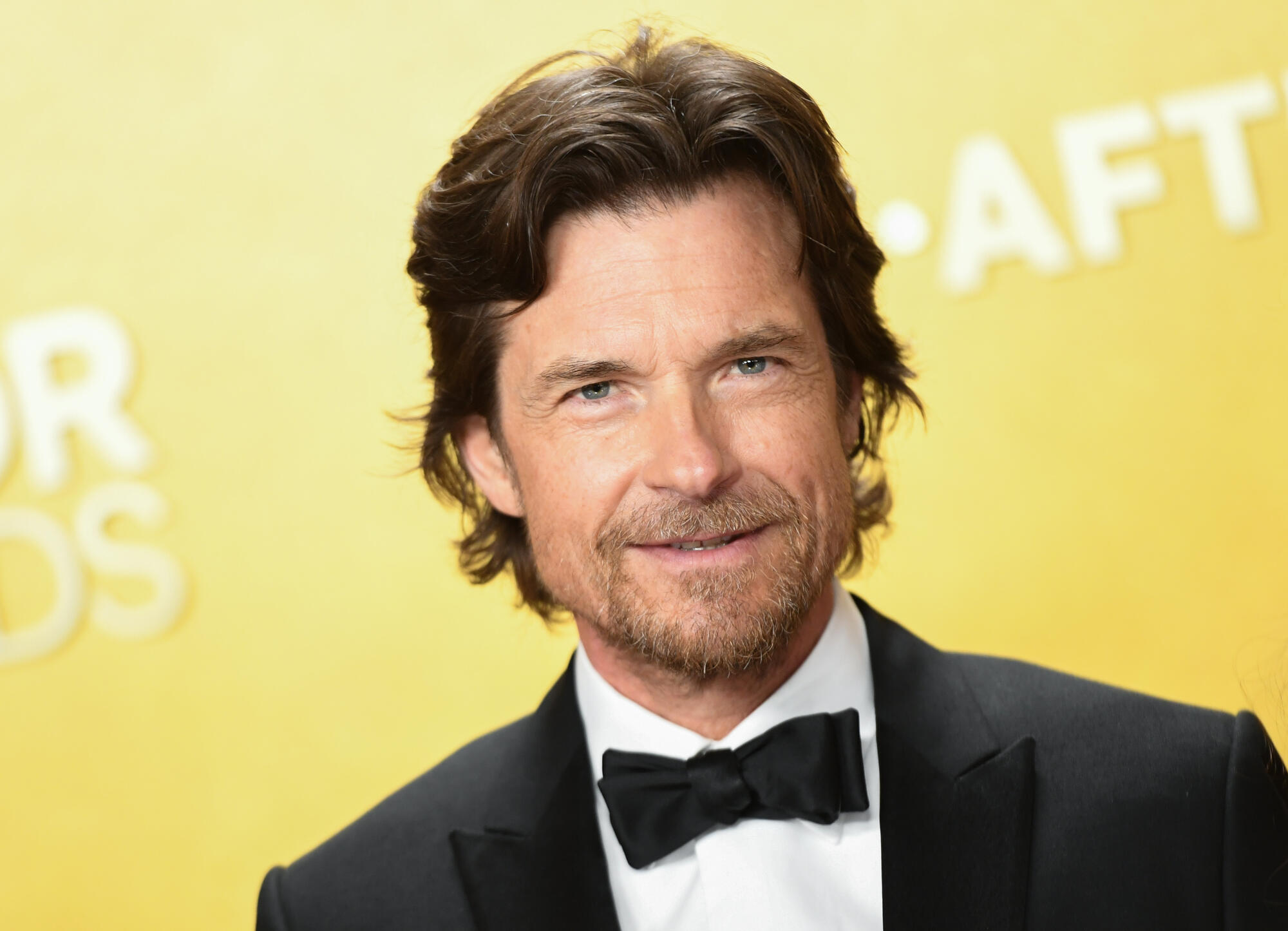
On 10 July 2026, at a masterclass on the margins of the Karlovy Vary International Film Festival in the Czech Republic, Debbie McWilliams — the casting director credited on every James Bond film since GoldenEye (1995) — confirmed what she has told interviewers before: 007, in her reading, stays white and male. McWilliams has now cast the last fourteen entries in the franchise, a run that stretches from Pierce Brosnan's 1995 debut through Daniel Craig's five-film tenure and into the still-unannounced successor regime now taking shape at Eon Productions.
The remark is not new in substance. McWilliams has made versions of it to British press for years. What is new is the timing. With Craig gone, Amazon MGM Studios — which acquired creative control of the franchise in 2025 as part of its merger with Metro-Goldwyn-Mayer — is openly weighing what comes next. McWilliams is using her exit ramp to lock in a position that will outlast her tenure. That is what made the Karlovy Vary panel newsworthy rather than nostalgic.
The casting gatekeeper's actual authority
Casting directors in major franchises rarely hold formal veto power over lead choices. Their role is to present producers with audition tapes, chemistry reads and shortlists, then execute. But on Bond — where the role is defined by nationality, accent, physique and a particular Anglophone register — the casting director effectively decides who gets through the door. McWilliams is being honest about a constraint she has internalised: the part was written as a white Englishman, and her professional instinct is to honour the script. "Ian Fleming wrote a character, and that's the character that stays," she said in Karlovy Vary, per Variety's 10 July 2026 dispatch.
The comment lands differently in 2026 than it would have in 1995. The franchise is now owned by a US-based studio with a track record of recalibrating legacy IP for streaming-era audiences. Aaron Taylor-Johnson, Henry Cavill and a longer shortlist of British and Irish actors are circulating in trade press as candidates. Idris Elba's name has recurred in speculative coverage for nearly a decade. McWilliams is, in effect, the last institutional voice inside Bond production arguing that the script's textual fidelity should trump any commercial or representational argument for change.
The pushback the remarks invite
Critics of the position note that Fleming's novels are not sacred texts — they are mid-century adventure fiction written by a man whose attitudes towards race, gender and empire have aged poorly. The Bond films have already drifted substantially from the books: M is now a woman ( Judi Dench, then Ralph Fiennes's superior); Moneypenny has been reimagined across generations; the franchise has bent to survive. A Black Bond, or a female one, would be a further bend rather than a rupture.
The counter-argument McWilliams is implicitly making is that Bond is a specific character in a specific setting — a Cold War residue who works in a particular idiom of British understatement — and that swapping the actor's race or gender is not a casting decision but a writing decision. You can argue the merits. What is harder to dispute is that the franchise's custodians have decided, repeatedly, not to make that writing decision.
What a franchise does when its audience ages out
The structural question underneath the row is generational. Bond's core audience is over 50; the median viewer of the last Craig film skewed older than the median viewer of comparable action franchises. Amazon has indicated it intends to broaden the demographic, which is the kind of corporate instinct that historically runs into the franchise's self-presentation as continuity. Every significant change to Bond's profile — the move to colour, the inclusion of more competent female characters, the grittier reboot of Casino Royale — was a bet that the property could absorb the change without losing its commercial spine.
McWilliams is essentially betting the opposite: that fidelity to the source text is what makes Bond legible as Bond, and that legibility is what makes the property valuable. It is a defensible creative position. It is also a position that assumes the audience the franchise currently has is the audience it will need in ten years. That assumption is where the disagreement actually lives.
Stakes, and what remains unresolved
What is clear: Amazon's new producers will not be bound by McWilliams's professional habit. What is contested: whether the next actor will be announced before the studio's broader slate strategy for 2027 clarifies. What remains genuinely uncertain is whether a recasting that respects McWilliams's framing — another white Briton, more or less in the Craig mould — would be commercially viable against the Tom Cruise-, Tom Hardy-, and increasingly internationally-cast action tentpoles now defining the genre. The decision is no longer just an artistic one. It is a portfolio decision inside a studio that paid for the franchise in part to globalise it.
McWilliams is leaving the franchise as she found it, by her own account. The more interesting question is whether the franchise's owners can say the same in five years' time.
This publication reports on the cultural economy of the major franchises as a question of institutional choice — who owns them, who casts them, and which constituencies the custodians believe they are accountable to.
Wire provenance
This editorial synthesis draws on the following public wire/social posts:
- https://en.wikipedia.org/wiki/James_Bond_(film_series)
- https://en.wikipedia.org/wiki/Karlovy_Vary_International_Film_Festival
- https://en.wikipedia.org/wiki/Eon_Productions