Iran assassination plot reports and arms-stock disclosures converge on Trump in the same news cycle
Two reports inside a single morning — one Israeli-sourced, the other Iranian state media — frame the US president both as a target and as a financial beneficiary of the conflict he has threatened.
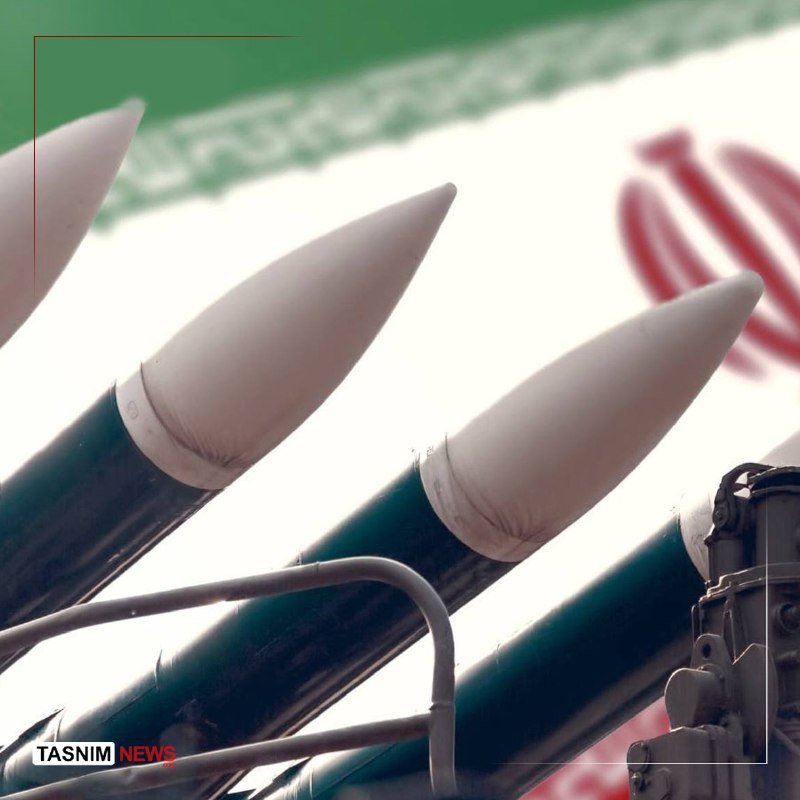
Two reports surfaced within roughly thirty minutes of each other on the morning of 10 July 2026, and together they drew a tight, unflattering circle around the same person. According to France 24, citing Israeli intelligence shared with multiple US outlets, Iran had drawn up a "specific" plan to assassinate President Donald Trump — an alleged plot that may explain a recent tightening of his security posture. Twenty-one minutes earlier, by the clock on Iranian state television's English-language feed, a separate account had gone out: brokers representing Trump had purchased, the previous year, between $9.7 million and $24.3 million in stock of arms manufacturers positioned to profit from a war with Iran. The juxtaposition is the story. A sitting president is simultaneously cast as a marked man and as a financial beneficiary of the very conflict that puts him in the crosshairs.
The convergence matters less for either disclosure in isolation than for what the two together imply about the information environment surrounding a possible US strike on Iran. One report travels through Israeli intelligence channels into sympathetic Western wire desks. The other travels through Iranian state media explicitly to seed doubt about the US commander-in-chief's motives. Both are weaponised narratives aimed, ultimately, at American domestic audiences — and both are being pushed at a moment when any military decision in West Asia will be filtered through questions of personal enrichment as much as through questions of national security.
The Israeli-sourced assassination claim
France 24's English desk published its report at 07:33 UTC on 10 July 2026, summarising what it described as a "specific" Iranian plan against Trump that had been "unveiled by Israel" and replicated across multiple US outlets. The framing is precise: this is not a generic regime threat, the kind Tehran has issued repeatedly against senior American officials since the 1979 revolution, but a concrete operational design that Israeli intelligence has chosen to publicise. France 24's bulletin stops short of naming the specific US publications carrying the Israeli material, but the journalistic pattern — Israeli disclosure first, then American pickup — is now familiar from previous rounds of the US–Iran shadow war.
The implicit offer to the White House is political cover. A documented assassination plan against a head of state is, under any reading of the US national-security playbook, casus belli. By surfacing the plot publicly, Israel gives the administration a public rationale for escalation that does not depend on the more contested question of Iranian nuclear activity — the rationale Washington has historically preferred when seeking congressional and allied buy-in for kinetic action against Tehran. The "may explain why Trump" coda in the France 24 report points exactly there: recent security tightening around the president is being retroactively justified by intelligence whose provenance is Israeli rather than American.
The Iranian counter-narrative on personal enrichment
Twenty-one minutes after France 24's bulletin, Press TV's English feed carried a different story, framed not around threat but around conflict of interest. Brokers acting for Trump had bought, between $9.7 million and $24.3 million, stock in arms manufacturers positioned to benefit from a war against Iran. Press TV, the Iranian state broadcaster's external-facing channel, is not a neutral source and its framing is openly polemical — "war on Iran" rather than "potential conflict with Iran" — but the underlying disclosure regime it is referencing is real. US presidents file annual financial disclosures, and major outlets have previously used those filings to document defence-sector holdings. The Iranian state's decision to highlight such a report is itself an editorial act: it tells the world that Tehran intends to fight the next war, if it comes, on two fronts at once — militarily in the Gulf, and politically in the American court of public opinion.
The structural effect is to make any future US action legible, in domestic American terms, as something other than a disinterested national-security decision. A president who holds equity in defence contractors that supply the武器 systems most likely to be used against Iran enters any escalation debate with a built-in credibility problem, and an adversary that has spent the past year memorising American political fault lines knows exactly where to strike.
What the framing produces
Read together, the two reports expose the operating logic of the present information war around Iran. Each side has chosen the line of attack most likely to corrode the other's domestic legitimacy. Israel surfaces a kill plot to harden American will for escalation. Iran surfaces a financial disclosure to soften it. Neither claim should be taken at face value; both should be taken seriously as deliberate moves in a propaganda contest that is now running ahead of any kinetic decision. Coverage that treats either narrative in isolation misses the symmetry: the same morning, the same president is being told he is in danger and that he is also profiting from that danger — and the two messages are arriving through channels carefully chosen to land with American audiences.
For the West, the immediate analytical temptation is to privilege the Israeli-sourced threat — to treat an assassination claim as a security fact requiring response, and to discount the Iranian state's conflict-of-interest framing as predictable hostile messaging. That reflex is itself part of the problem. Iranian state media is hostile, but it is not necessarily wrong about the existence of arms-sector holdings, only about the inferences to be drawn from them. A serious press response to this morning's reports does not pick a side. It documents that both stories are being pushed, by identifiable state and quasi-state actors, for identifiable political reasons, and it asks whether the underlying claims can be confirmed independently — the threat plot via US intelligence on-the-record sources, the financial holdings via the publicly filed disclosure forms themselves.
Stakes and what remains unresolved
The concrete stakes over the next weeks are twofold. First, whether the Israeli-sourced assassination report becomes the trigger for an immediate US security posture change — additional deployments, named Iranian figures sanctioned or designated, forward basing in the Gulf reinforced — or whether it dissipates into the background noise of recurring Iranian threats against American officials. Second, whether the financial-disclosure line travels beyond Iranian state media into sympathetic or adversarial Western outlets with the resources to verify it. If it does, it will arrive as a question no White House can answer with rhetoric alone: did the president hold, and possibly still hold, defence-sector equity in companies whose order books move on his own decisions.
The unresolved piece is the most important one. The sources available this morning do not allow this publication to confirm either claim — neither that Iran had a specific operational kill plan against Trump, nor that Trump-affiliated brokers bought the reported dollar amounts in the named arms stocks. The first claim sits behind Israeli intelligence disclosures that have not been corroborated on the US side. The second sits inside an Iranian state broadcaster's frame and references a financial window that US disclosure forms would speak to directly if requested. Until the underlying documents surface or a senior US official speaks on the record, both stories remain, in editorial terms, signals rather than facts — and the prudent reading is to treat them as competing signals about the same contest, rather than as independent reports about the same world.
Wire provenance
This editorial synthesis draws on the following public wire/social posts:
- https://t.me/france24_en
- https://t.me/presstv