Tehran's shadow, Tel Aviv's calculus: the pressure campaign that may be running ahead of itself
Israeli pressure for a US green light to strike Iran is colliding with reporting that Washington lacks a concrete military plan. The gap between posture and planning is now the story.
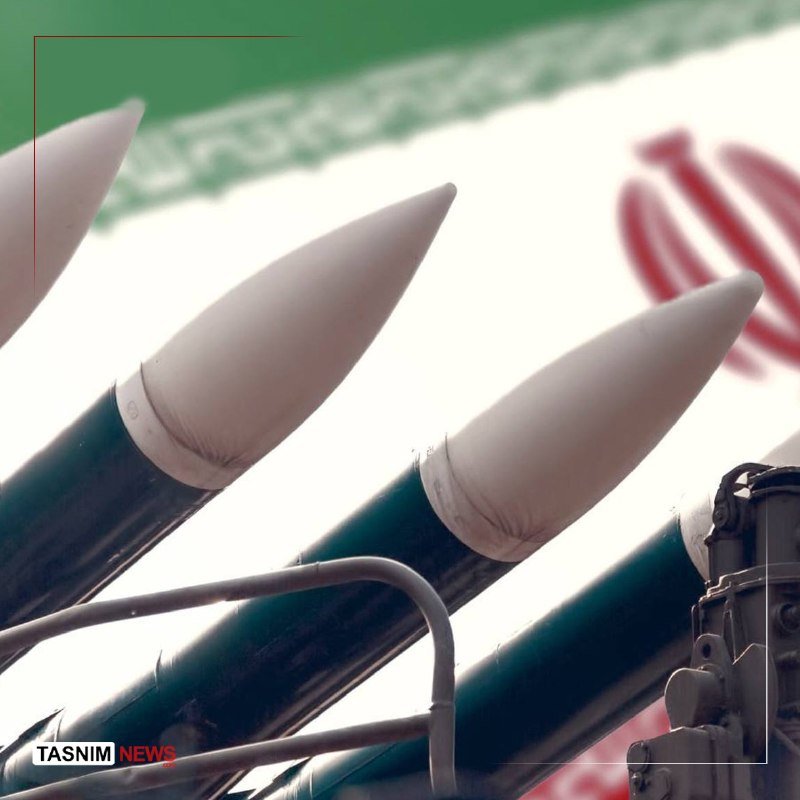
On 10 July 2026, the gap between Israeli demands and American planning went from subtext to open signal. According to Israeli Minister Nachman Shai, speaking in an interview with i24 News on that date, the United States lacks a concrete plan for a military campaign against Iran. His reported framing — that US expectations were built on something other than a defined operational concept — is the first public admission from within the Israeli cabinet that Washington is being pressed into a posture it has not actually deigned to finish designing, per Telegram channel The Cradle Media's readout of the interview at 17:27 UTC.
The pressure campaign Tel Aviv is running is real, even if it is getting ahead of itself. Read it together with the day's earlier reporting — also carried by The Cradle Media at 15:57 UTC — that Israel is pressing Washington for a green light to attack Iran, while Israeli media claims Tel Aviv was "uninvolved" in hundreds of US strikes on Iran and asserts Tehran is plotting the assassination of Donald Trump. The picture that emerges is a multi-layered influence operation: a tactical lobbying push for permission, a narrative push claiming distance from past action, and a hostile-intelligence charge designed to fix US attention.
What Shai actually said — and what he didn't
Shai's claim is narrow, but its implications are wide. He is not denying US resolve; he is denying US readiness. A diplomatic posture built on "expectations" without a defined operational concept is, by definition, a posture that can be talked up by allies and walked back by principals. The Cradle Media's readout emphasises that the Israeli minister placed the burden of expectation-management on Washington rather than on Tel Aviv. That is a tell. When a junior minister publicly chastises an ally for vagueness, the ally is either being softened up for a refusal, or being handed a script to use on someone else.
Two narratives running in parallel
The earlier Cradle Media thread leans on Israeli media reporting that Tel Aviv was "uninvolved" in the bulk of US strikes on Iran. That claim does useful work for the Israeli side: it distances the Jewish state from escalation decisions, preserves deniability, and leaves Washington holding the operational bag. Stacked beside Shai's complaint that Washington lacks a plan, the design becomes clearer. Israel wants the campaign. Israel does not want to be visibly campaigning. The two positions are not contradictory; they are complementary, and they are being executed simultaneously.
The structural read
What we are watching is not a singular decision but an attempted alignment between two allies that have not, on the evidence available, agreed on what they are aligning toward. The United States carries the strike capacity; Israel carries the regional casus belli. Pressure for a green light is the price of admission to a campaign whose contours the supposed principal has not yet drawn. Coverage routinely defers to the language of official spokespeople in such episodes; the dissent — and there is dissent inside every security cabinet involved here — gets fewer column-inches. That gap between declared intent and operational concept is exactly the room in which miscalculation lives.
Stakes, and what remains uncertain
If the trajectory continues, the winner is the actor who defines the green-light threshold. Iran gains time and rhetorical ammunition every week the question is unanswered. The Trump administration gains leverage over both Tel Aviv and Tehran so long as the decision remains pending. Israel gains the option, but loses the certainty, that any strike will be a coalition strike rather than a solo one. The losers are the planning staffs who have to keep two incompatible contingencies live — fight tonight or don't fight at all — and the publics across the region who absorb the consequences either way.
What remains genuinely contested is the substance of the alleged Iranian assassination plot against Donald Trump. The Cradle Media's reporting attributes the claim to Israeli media; the underlying evidence, the operational specifics, and the Iranian side of the story are not in the public record this publication has access to. Treat that thread as a stated allegation from one government, repeated by its press, not as established fact. The same caveat applies to the count of US strikes and to Israeli "non-involvement" — both are claims by interested parties, not corroborated tallies. Until primary sources or independent intelligence assessments surface, the operational picture is thinner than the headlines suggest.
How Monexus framed this: the wire leads with the assassination-plot allegation; this piece treats the allegation as one data point inside a wider pressure campaign, and centres the planning-versus-posture gap that the Israeli minister himself surfaced.
Wire provenance
This editorial synthesis draws on the following public wire/social posts:
- https://t.me/thecradlemedia
- https://t.me/TheCradleMedia