From festival floor to platform feed: how 'Obsession' became Peacock's next micro-budget bet
Curry Barker's breakout horror 'Obsession' lands on Peacock on 17 July, the latest signal of how low-cost genre films are leapfrogging theatrical rollouts to chase younger, algorithm-trained audiences.
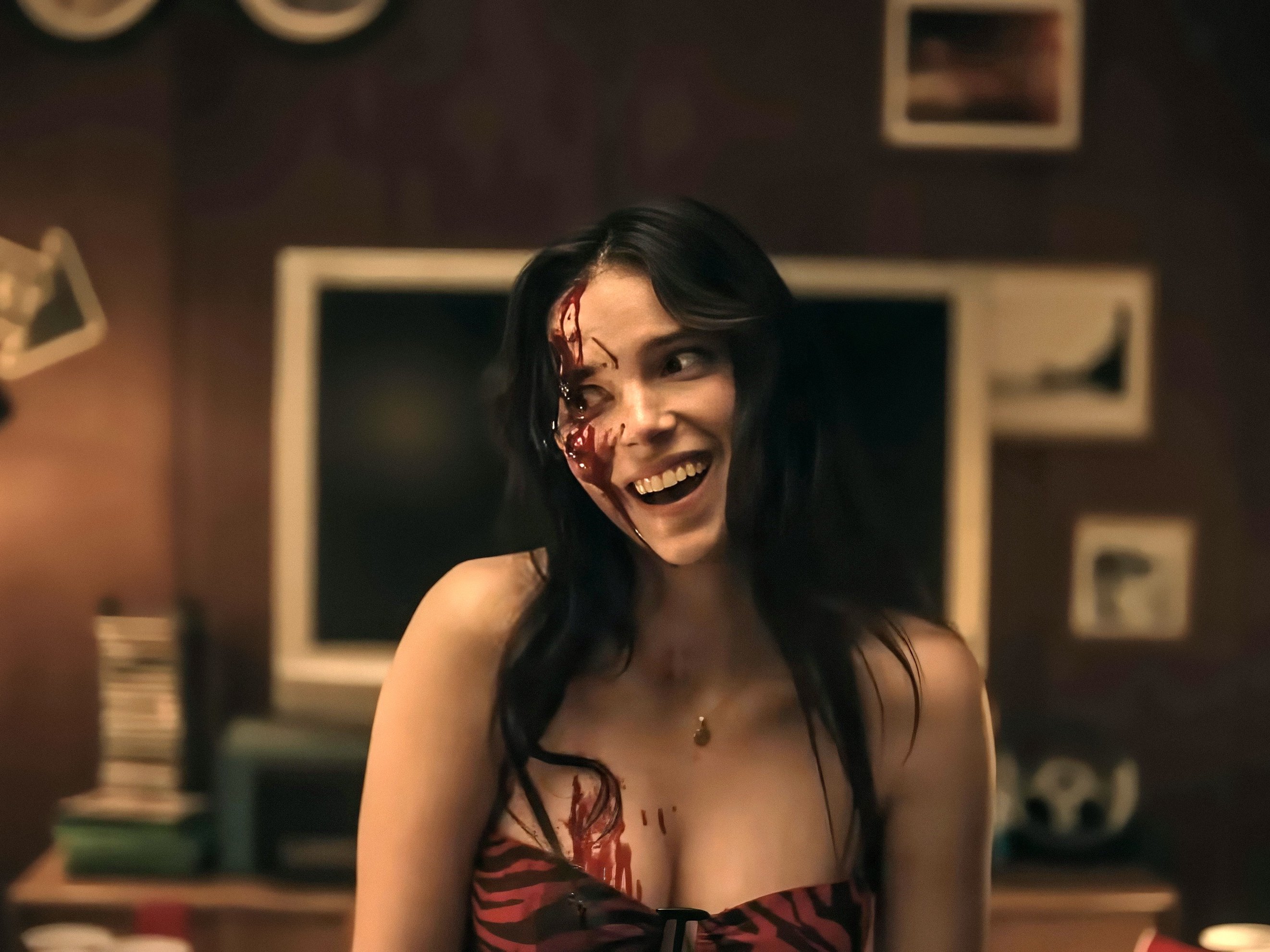
Curry Barker's "Obsession," a micro-budget horror film that broke out of the festival circuit this spring with unusually strong word-of-mouth among under-25 horror fans, will begin streaming on Peacock on 17 July 2026, moving the title from a niche theatrical footprint into a single-platform home in under three months.
The deal underscores a pattern that has hardened across 2025 and into this year: small, scares-forward genre films are increasingly skipping the slow regional theatrical rollout in favour of a brief festival run, a sharp promotional push, and a rapid pivot to a streamer with a young, algorithm-friendly audience. Peacock's July slot positions "Obsession" to compete with two other horror titles premiering in the same week, a saturated window that distributors have learned to treat as a feature rather than a bug.
A film calibrated for a specific feed
"Obsession" follows Bear, played by Michael Johnston, a character whose romantic paralysis the director uses as the entry point for something darker. The film earned early traction at a series of genre festivals where audience scores, rather than trade reviews, drove its momentum. In the absence of a reported acquisition, Barker's team appears to have negotiated a streaming-window deal that lets the film reach the audience already discussing it online.
That calculation is increasingly standard. Theatrical windows for genre pictures under roughly $5 million have collapsed from the legacy 45-to-90-day standard to as little as 21 days in some distribution patterns, with several titles this year skipping theatres entirely. For a film without major-studio marketing support, the streamer tail often matters more than the opening weekend, because the marginal cost of reaching a horror-curious viewer on a homepage carousel is a fraction of a paid media impression.
The counter-narrative: does a streamer-only window shrink the audience it claims to grow?
The dominant industry read holds that platform releases extend reach for low-budget horror because the cost-per-viewer falls and the discovery surface grows. The complication, borne out in several 2025 releases, is that without a theatrical marker the film can lose its urgency signal — the "you had to see it on the big screen" cachet that has historically propelled a subset of horror viewers to the cinema in the first week. Peacock's heavy promotion of "Obsession" in the run-up to 17 July will be the test of whether platform curation can substitute for that signal.
There is also a measurement problem. Streamers report engagement in opaque units (hours, "views," completion rates), none of which map cleanly to the opening-weekend gross that industry trackers and trade press have used for decades. A film that performs respectably for Peacock may never register in the cultural conversation the way a comparable 2018 release did — the wire-equivalent coverage is thinner, the box-office chart cannot anchor the narrative, and the title's "success" is, in effect, a private data point shared by the platform with its production partners.
What the broader pattern reveals
Horror has become the genre most willing to expose itself to a new distribution logic, because its audience already congregates online in genre-specific communities and rewards titles that feel like an in-group referral. The economics reinforce the cultural fit: a single creative breakthrough can carry a five-figure-budget film if the right ten thousand viewers see it within the first week, and a streamer with a young, mobile-first user base is structurally better placed to deliver that spike than a regional theatrical booker.
The more uncomfortable read is that this distribution model tightens feedback loops between what streamers already know about their subscribers and what gets made. A platform's recommendation engine becomes, in effect, a greenlight mechanism: it surfaces the kinds of films that have previously performed, and those are overwhelmingly the kinds of films it will surface again. For a debut director with a single horror film to their name, that is a tailwind. For the genre as a whole, it narrows what is considered a bet worth taking — and it shifts the locus of creative risk from theatre-bookers to algorithmically ordered homepages.
Stakes for the rest of 2026
Two tracks will matter. The first is whether Peacock's July push produces a measurable uplift for "Obsession" that the platform is willing to disclose in terms the trade press can verify; without that, the film's streaming afterlife will be talked about in vibes rather than data. The second is whether other low-budget horror titles in the late-summer slate follow the same template, in which case the festival-to-streamer handoff is no longer an experiment but the default — and the negotiating leverage of debut filmmakers becomes a function of how precisely their work can be positioned to a recommendation system's prior.
Barker is reported to be developing additional horror projects; the studio behind "Obsession" has not publicly confirmed what comes next. What is already clear is that the film's path — festival, brief theatrical, single-platform home — will be studied this autumn by every producer weighing a five-figure horror bet against a market that increasingly recognises genre films by where they are watched, not by where they open.
This publication framed "Obsession" as a distribution story first and a content story second, on the view that a title's release path now does as much to determine its cultural reach as the craft behind it.