Three Thai sailors sue shipping company over deadly Strait of Hormuz strike
Three Thai crew members are suing their former employer over a March projectile strike on a cargo vessel in the Strait of Hormuz that killed three of their colleagues, opening a rare courtroom chapter on wartime liability at sea.
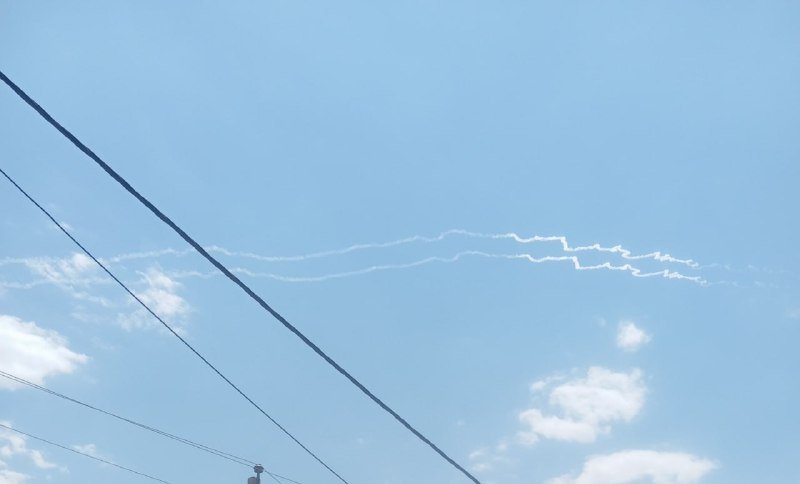
Three Thai seafarers filed a civil lawsuit on 10 July 2026 against their former employer, Precious Shipping, accusing the Thai-flag operator and two affiliated companies of negligence and unseaworthiness after a projectile struck their cargo ship in the Strait of Hormuz in March, killing three crew members. The suit, reported by the Beirut-based outlet The Cradle and separately flagged by Middle East Eye, lifts a private legal challenge into a stretch of water that has become one of the most volatile corridors in global commerce, where commercial vessels, naval forces and Iran-aligned groups operate in dangerously close quarters.
The case turns an under-reported wartime liability question into a courtroom matter: when a merchant crew is killed or injured by a projectile in a contested waterway, who carries the civil burden — the shipowner, the charterer, or the party that fired? The plaintiffs' answer, at minimum at the pleadings stage, is that the employer carried the duty of care to its own crew.
What the lawsuit alleges
The three plaintiffs have sued Precious Shipping, identified in the reporting as the operator of the vessel, along with two affiliated companies. According to the summaries posted by The Cradle Media on 10 July 2026 and amplified on the same morning by Middle East Eye's live coverage, the complaint accuses the employers of failing to protect their crew despite operating a vessel through a waterway where the risk of military exchange had become unusually elevated. The Cradle's thread identified the action as a lawsuit against the employer and two affiliates; Middle East Eye's live feed described the projectile as having struck the cargo ship in the Strait of Hormuz in March, with three crew members killed.
The thread items do not name the vessel, the exact date of the March strike, or the projectile's provenance. The pleading details — jurisdiction, the quantum of damages sought, the named defendants' formal corporate registrations — are also not specified in the available reporting. That limits the verifiable spine of this story to three confirmed facts: that a projectile struck a Thai-crewed cargo ship in the Strait of Hormuz in March 2026; that three crew members were killed; and that three of the surviving Thai sailors have filed suit against Precious Shipping and two affiliates in early July.
Why the Strait of Hormuz, and why now
The chokepoint carries roughly a fifth of global seaborne oil shipments on most days, and roughly a third of LNG flows, by widely cited industry figures. Through 2024 and 2025 it became the focus of repeated seizures, drone activity, and missile strikes linked to the wider confrontation between Israel, the United States and Iran, including US strikes on Iranian nuclear facilities in June 2025 and Iran's retaliatory response in the same operational window. Attacks on commercial shipping through the strait increased markedly during that period, with the Iran-aligned Houthis in Yemen extending strikes to vessels they linked to Israeli, US, or Western ownership, and with Iran-aligned Iraqi militias targeting shipping farther west in the Persian Gulf.
The lawsuit sits inside that wider pattern, but it raises a narrower and older question. Maritime law has long imposed duties on shipowners to provide a safe place of work and a seaworthy vessel. The modern question is whether those duties extend to foreseeable kinetic risk in a specific transit corridor — and whether insurers, flag states, and charterers absorb part of the burden. The Thai case invites courts in the relevant jurisdiction to weigh in, even if the public filings so far are reported only at the level of complaint and not of motion practice.
Who carries the civil burden
Two structural readings compete here. The first puts the burden on the shipowner: Precious Shipping decided to send the vessel through, chose the timing, and profited from the cargo; the law's longstanding asymmetry is that the employer of seafarers carries the duty of care. The second reading pushes the burden up the chain: when a corridor becomes a war zone, the liability arguably shifts toward the parties whose armed action created the risk, or toward insurers underwriting hull and crew cover.
The first reading is the one the lawsuit tests. The second remains a separate set of claims, typically brought under tort theories or war-risk clauses, that the plaintiffs have not, on the public record so far, joined. Notably absent from the available reporting is any named Iranian, Houthi, or Iraqi-militia defendant — a choice consistent with the practical limits of suing non-state armed actors in a friendly-jurisdiction civil court, where service, asset attachment, and enforcement all impose constraints.
The structural implication is large. Every commercial vessel transiting the strait in 2026 is exposed to the same risk calculus. If Thai crew can plead foreseeability in a domestic court, similar claims against operators of other flagged tonnage become a credible next step. Insurers will watch the proceedings closely; war-risk premia for the strait are already well above the global average, and a plaintiff-friendly judgment would push them higher still.
Counter-narrative and what remains unresolved
A plausible counter-narrative runs through industry circles and through Tehran-aligned commentary: that Western naval presence in the strait has escalated the risk environment as much as any Iranian action, and that commercial operators transit only because military escorts make the corridor navigable at all. That reading does not dispute the death of three seafarers; it locates the responsibility differently. Middle East Eye's reporting on 10 July 2026 does not yet engage this counter-frame, and The Cradle Media's thread framing tends toward Iran's regional position rather than toward a balanced causal assignment.
Several facts remain unverified in the public record. The specific projectile type has not been disclosed in the available reporting. The flag state, port state, and court of filing are not stated. The plaintiffs' current physical whereabouts and the recovery status of other wounded crew are not specified. Whether any defendant has entered an appearance, filed a motion to dismiss, or moved to arbitrate the dispute is not yet on the public record. Each of these is a matter the litigation will clarify, but none of them can be filled in from the open sources available today.
For now, the verifiable finding is narrower but still significant: three Thai sailors have used civil litigation to put a public question mark against their former employer's judgment in ordering a transit through one of the most dangerous corridors in world trade, and the docket now belongs to a court rather than to a regional news cycle.
This article was framed around the published reporting of 10 July 2026 and avoids speculative attribution of the March strike until a primary source confirms the projectile's origin.
Wire provenance
This editorial synthesis draws on the following public wire/social posts:
- https://t.me/thecradlemedia