One mistake, one era: Lammens' error books Belgium's exit and forces the golden-generation question
Senne Lammens came on at half-time in Los Angeles and conceded inside five minutes. Spain are in the semi-finals; Belgium's decade-long project is back at a crossroads.
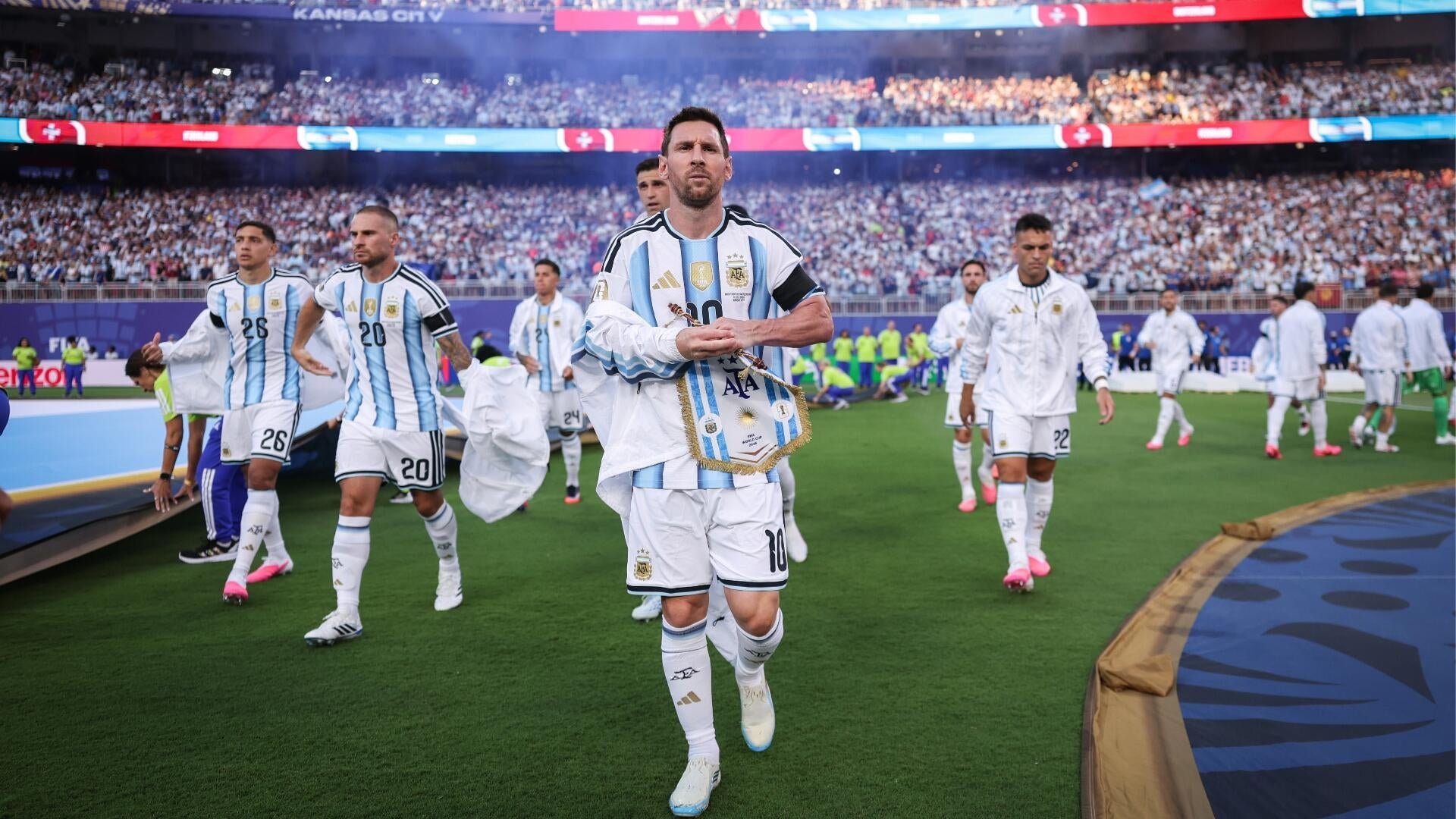
Senne Lammens was on the pitch for less than five minutes before the game turned. Introduced at half-time against Spain in Los Angeles on 10 July 2026, the Belgium goalkeeper watched a routine ball into the box spill through his gloves and trickle across the line. Spain's winner stood. Belgium's World Cup was over.
That is the thin margin the World Cup exposes. One decision from the technical area, one set of hands, and a campaign that had looked salvageable at 0-0 became a quarter-final exit. The temptation is to frame the entire Belgian project around the error. The harder question is whether the error revealed something already true.
A side in transition long before tonight
Belgium's so-called golden generation — De Bruyne, Lukaku, Courtois in his prime, the Vertonghen–Alderweireld pairing that defined a decade — has been winding down in plain sight for two cycles. By the time this tournament began, only De Bruyne remained as a banker starter, and he was operating on legs that needed careful management. Spain, by contrast, arrived in California with a squad that already had a 2024 European Championship final in its legs and a midfield that knew how to dictate tempo without possession.
Lamine Yamal and Nico Williams are the headline names, but the spine is older. Rodri returned from the knee injury that ended his club season. Pedri, when fit, is the closest thing in world football to an automatic tempo-setter. The gap between a Spain side that has been a tournament team for three years and a Belgium side that has been an idea for ten is no longer theoretical.
The substitute's problem
The analysis from BBC Sport's studio after the game was direct: it is brutally difficult for a goalkeeper to enter a knockout match cold. Micah Richards and Wayne Rooney both made the same point in different ways. A keeper's rhythm is built in warm-ups, in the flight of the first cross, in the small talks with the back four over the first ten minutes. Lammens got none of that. He was a replacement for a starter who had been beaten only by the scoreline, and the new ball was on a string from the restart.
That is a fair technical reading, and it matters. But it also lets the broader picture off the hook. The decision to start a different keeper is itself a referendum on trust, on form, on the medical room. By the time Lammens was on the pitch, the structural questions had already been settled. His mistake merely confirmed the verdict.
What the wider picture actually shows
Strip out the emotion of the moment and the data points are unflattering. Belgium qualified for this tournament through the European play-offs, dropping points they would once have banked against modest opposition. The 2022 group-stage exit in Qatar was treated as a shock at the time; in retrospect, it was the first sign that the curve had flattened. The average age of the starting XI against Spain — adjusting for the half-time change — was north of 29.
The structural reading is straightforward. A nation with a player pool of roughly eleven million produced, in one compressed window, the deepest talent stack in its history. That kind of concentration is not repeatable on demand. It requires a youth system firing, a Pro League offering minutes, and a generation of parents who happened to have sons born in the right year. When those conditions retire together, the system does not immediately refill.
Stakes, and the road back
The cost of the exit is not just sporting. Belgium's place in the seeding pots for the next European Championship and the World Cup draw will move down a band. Sponsorship valuations on the federation's commercial contracts take a tick. Young players watching tonight will be weighing whether the path into the senior side is opening or closing, and the answer for now is that it is opening — but not for the names they grew up watching.
The counterpoint worth naming: a single tournament does not define a generation. France lost the 2002 group stage with Barthez, Vieira and Henry in the side and reached the final three years later. Spain themselves went out at the group stage in 2014 and won the next European Championship. The question is whether Belgium have the conveyor belt in working order behind the current senior group, and the honest answer is that the evidence so far is mixed.
For Lammens personally, the read is colder still. Goalkeepers live or die on the next cross, the next set piece, the next cup tie. A mistake of that visibility, on that stage, sets a frame around him for a season. The talent is not in doubt; the scar is. The rest of the squad will go back to their clubs and be measured against a goal that was not really a goal until it was.
This publication reads the result as confirmation rather than cause: a Belgian team whose top layer is ageing lost to a Spanish side whose top layer is just arriving, and the goalkeeping change merely surfaced what the previous forty-five minutes had already suggested.