England's Miami test: Tuchel, Kane and a Norway side built for the heat
England meet Norway in Miami on 11 July with a semi-final place at stake and a stadium forecast that hands the Nordic side something close to home conditions.
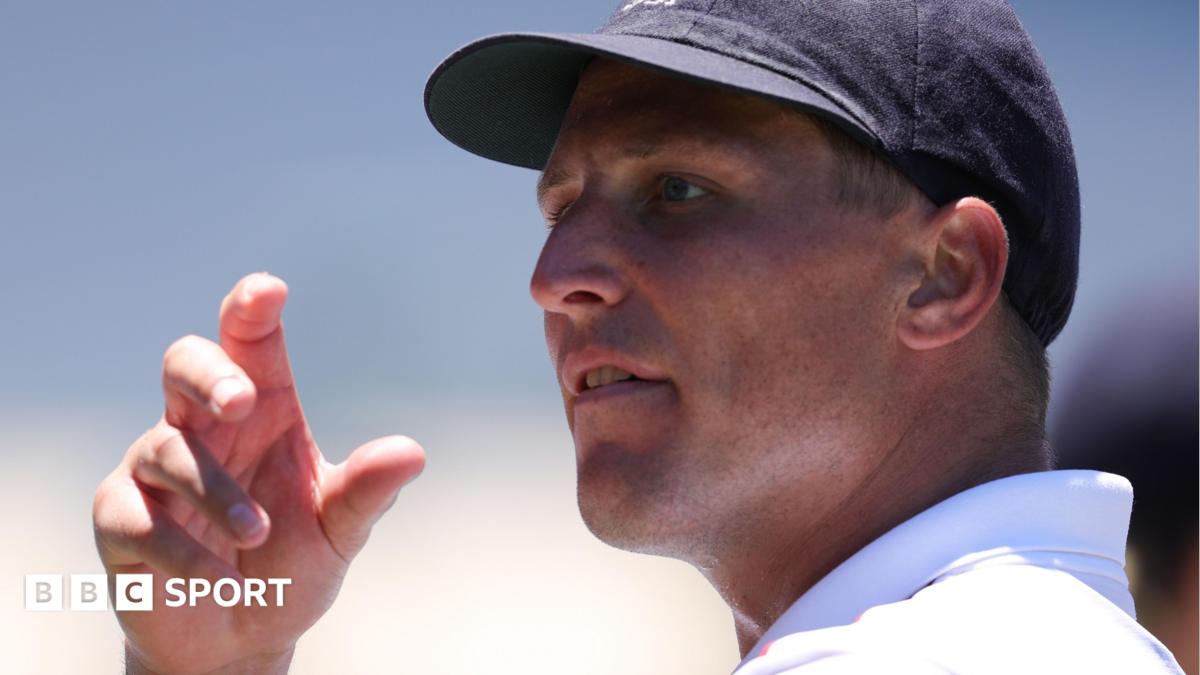
Thomas Tuchel walked into a Miami press room on 11 July 2026 with the World Cup quarter-final against Norway less than 24 hours away and the questions already sharpened. The England manager and his captain Harry Kane sat down with the BBC's John Murray to set the terms of an evening fixture that, on paper, looks straightforward and, in practice, looks anything but. Norway arrive at the Miami Stadium with a squad constructed around one of the tournament's most physical strikers, and a climate that will tilt closer to Trondheim than to London.
The contest is the latest inflection point in a tournament that has rewarded teams willing to play on the front foot. England have reached the last eight through a campaign that BBC Sport recapped in goals rather than words: a string of finishes that put Tuchel's side in touching distance of the semi-finals and left the squad, by their own account, hungry rather than relieved. Norway, by contrast, are the rare knockout opponent who will not be overawed by the occasion, and the conditions are doing some of their work for them.
The heat is the headline
BBC Sport's pre-match file on 11 July makes the weather the lead, not the subplot. England will play in open-air Miami in temperatures more typical of a Nordic summer than an English one. For a side accustomed to Premier League kick-offs in temperate conditions, the adjustment is tactical as much as physical: shorter pressing bursts, earlier water breaks, controlled possession phases rather than high-tempo transitions. Norway's players, several of whom cut their teeth in the Eliteserien and in Scandinavian leagues where midsummer matches regularly run into the high twenties Celsius, treat the thermometer as an ally rather than an obstacle.
That is not a marginal advantage. In a knockout match where one moment of fatigue at the back can decide a tie, even a small acclimatisation edge compounds. Tuchel's staff have been at pains to manage the squad's hydration and training loads since arrival, and Murray's interview returned repeatedly to the question of whether England could impose their usual rhythm before the heat imposed its own.
Kane on the mark, Tuchel on the clock
The pre-match goals reel published by BBC Sport on 11 July runs as a quiet argument for England. Kane features prominently, both as the finisher of chances manufactured by the wide players and as the organiser of the second phase when the first wave breaks down. Tuchel's tenure has been defined less by dramatic overhaul than by a tightening of structure: fewer positional risks, more controlled entries into the final third, and a reliance on Kane to convert the half-chances that decide tight games.
For the captain, the arithmetic is familiar. A World Cup quarter-final at 32 is the kind of fixture that defines the second half of a career. Murray's piece captures Kane in the register of a player who has stopped pretending the tournament is anything other than the tournament, and who knows that a semi-final place, once secured, changes the conversation around a manager still building his case in the English job.
What Norway bring that England do not
Norway's competitive edge in this tournament has not been a single star so much as a collective shape. The squad is dense in central midfield, athletic in the wide channels, and willing to defend in two compact banks before springing on the break. Against a possession-dominant opponent, that profile is awkward: it denies the central combinations England prefer and forces the game into the wide corridors, where Norway's recovery runs have been among the most economical of the competition.
The counter-narrative is straightforward. England have faced organised low blocks before in this tournament and have, by and large, found a way through. The risk is that the heat compresses the margins: pressing triggers arrive a half-second later, crosses float a yard shorter, and the kind of late-game goal that England have harvested in previous rounds becomes harder to manufacture when the legs are heavy.
The semi-final is the only prize that matters
Strip away the climate, the trivia, the travelogue, and the match comes down to a single binary. Win, and England play a semi-final in the United States with a route to the final that opens, on most bracket projections, into winnable territory. Lose, and Tuchel's project absorbs the first scar of its competitive life, Kane's tournament ends a round earlier than the squad's form suggests it should, and the post-mortem runs in the English papers for the rest of the summer.
That is also why the heat matters. It is the variable that flattens the obvious advantages England hold on paper. Tuchel's task, in the few hours between Murray's microphone and kick-off, is to ensure his side's tactical discipline survives the thermometer and that Kane's scoring touch translates from the rehearsal tape to the stadium. Norway's task is to make the stadium feel like home. The rest will be settled by the football.