Tehran plays the compliance card as Islamabad MoU wobbles
Iran's foreign minister says Tehran has honoured a memorandum signed in the Pakistani capital. His complaint, aimed at the US Treasury secretary, points to a deal already fraying at the seams.
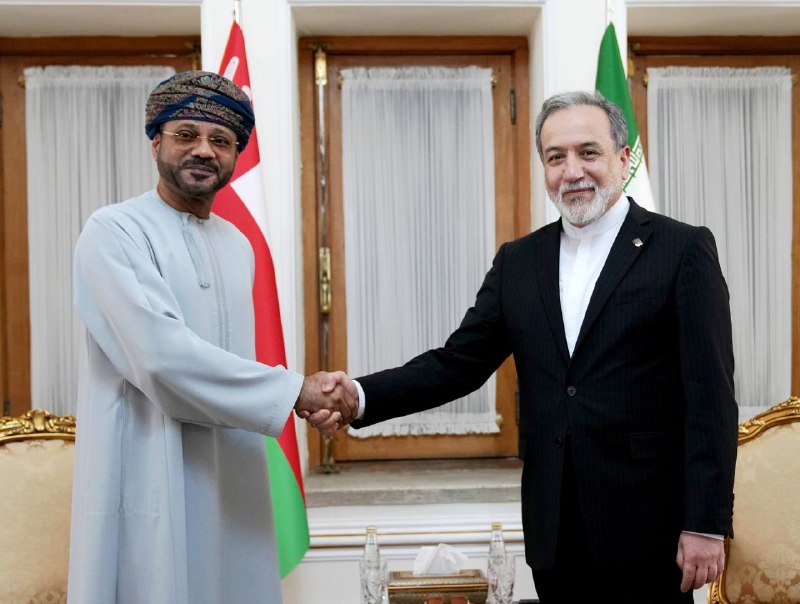
Foreign Minister Abbas Araghchi told state media on 11 July 2026 that Iran has kept its word under a memorandum signed in the Pakistani capital, accusing the US Treasury secretary of violating paragraph nine of the same document. The remarks, carried by IRNA and relayed through the Clash Report channel on Telegram, are the clearest sign yet that the so-called Islamabad MoU is already fraying in public.
The argument matters because it concedes, in effect, that compliance is now a contest of who can shout it loudest. If Iran's read of the deal is right, Washington is the first mover to breach a written understanding barely old enough to dry. If Washington's read is right, Tehran is performing compliance while probing the seams. Either way, the diplomatic architecture that briefly promised a reduction in tension is operating on fumes.
The MoU in question
The memorandum Araghchi invoked was signed in Islamabad and was supposed to translate a set of understandings between Iran and the United States into a working document with mutually binding obligations. Paragraph nine — the section Araghchi singled out — has not been made public in full, but the Iranian complaint, as relayed by IRNA's English service on 11 July, frames it as a mechanism that constrains one party in particular: the Treasury Department of the United States, which administers sanctions.
For Tehran, the point is structural. Sanctions enforcement is the lever that determines whether any nuclear arrangement is paper or practice. A memorandum that asks Iran to constrain enrichment, inspectors' access or missile-related posture is meaningless if the other side's financial apparatus can tighten the noose at will. Araghchi's language — "Iran has so far kept its word, unlike the so-called US Treasury Secretary" — is the diplomatic register of that grievance, with the qualifier "so-called" doing the work of contempt.
What Tehran is signalling
Araghchi's posture is calibrated. By foregrounding Iranian compliance rather than denouncing the deal outright, he preserves the document as an instrument Tehran can later invoke if it returns to the table. By naming the Treasury secretary as the violator, he separates the institution from the broader US negotiating team and signals where, in his reading, the breach sits.
The tactical logic is familiar: when an arrangement is asymmetric, the side with fewer cards benefits from a narrative that frames its concessions as voluntary and the other side's actions as breach. It is the inverse of Washington's preferred frame, in which Iranian non-compliance is the recurring theme and US enforcement is a passive response.
Where the evidentiary base thins
The two Telegram channels that carried Araghchi's comments do not reproduce the text of the MoU. There is no third-party read of paragraph nine. There is no published US Treasury statement responding to the Iranian complaint. The wire coverage on the day — to the extent it has caught up — does not yet provide a fuller record. That leaves the public with two Iranian-aligned readings of the same paragraph, and no independent verification of either.
This is itself the story. The architecture of the deal rests on a memorandum whose contents neither side has published, and whose compliance is being litigated through Telegram posts rather than through joint statements. When the evidentiary base is this thin, the loudest channel sets the day's framing — which today is Tehran's.
What is at stake
If the MoU holds, even in degraded form, the immediate pressure on Iran's banking sector eases and a negotiating track stays open. If it collapses, the next escalation is not rhetorical. Treasury sanctions snap back; secondary sanctions pressure on buyers of Iranian oil tightens; Tehran's incentive to push enrichment thresholds higher returns. The diplomatic calendar, not the military one, is the early warning system.
For the United States, the cost of being cast as violator is reputational rather than material. For Iran, the cost of being cast as deceiver is structural: it forecloses the path back to the table it is currently defending. Araghchi's comments try to lock the door against that framing. Whether the doors stay locked depends on documents that have not yet been published.
This publication has read the Iranian complaint as released by IRNA and relayed via Clash Report. The US response, and the text of paragraph nine itself, remain outside the public record as of 11 July 2026.
Wire provenance
This editorial synthesis draws on the following public wire/social posts:
- https://t.me/Irna_en
- https://t.me/ClashReport