Israeli warplanes strike Nabatieh al-Fawqa as southern Lebanon bombardment continues
Israeli airstrikes hit Nabatieh al-Fawqa and artillery bombarded Beit Yahoun and Kounine on 10 July 2026, the latest in a sustained pattern of fire across southern Lebanon.
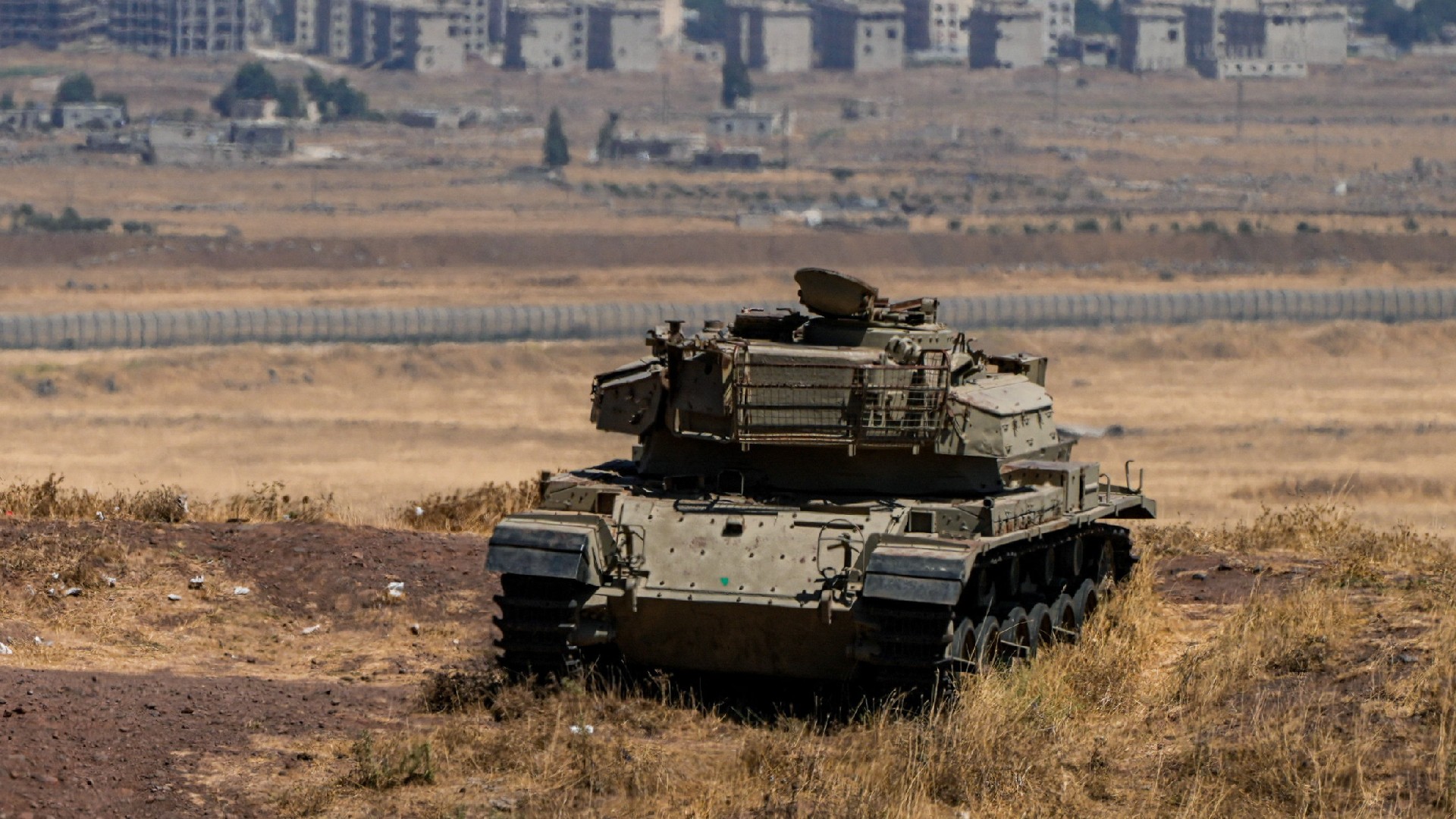
Israeli warplanes struck the town of Nabatieh al-Fawqa in southern Lebanon late on 10 July 2026, according to Lebanese security sources cited by Al-Alam Arabic. The raid, reported at 23:19 UTC, hit a settlement outside the formal security zone that has demarcated the Israel–Lebanon frontier since the November 2024 ceasefire framework. Hours earlier, Israeli artillery pounded the neighbouring towns of Beit Yahoun and Kounine, in two separate bursts beginning around 22:01 UTC and continuing into the evening.
The pattern — fixed-wing air raids paired with tube and rocket artillery on adjacent villages — points to an operation aimed at more than a single target. Nabatieh al-Fawqa sits on a ridge above the Litani River, a corridor the United Nations has long flagged for Hezbollah's military infrastructure. The Lebanese source quoted by Al-Alam did not specify what was hit. The Israel Defense Forces had not, at the time of these reports, issued a public statement on the Nabatieh strike. Coverage on Israeli wire channels was silent on the raid as of filing.
A village outside the line
Nabatieh al-Fawqa is not a name that appears frequently in English-language dispatches. It lies just north of the line that the November 2024 arrangement designated as the boundary of Israeli operations, in a stretch of the South Governorate where UN Interim Force in Lebanon patrols have documented repeated breaches. Reporting carried by the Hezbollah-aligned Al-Mayadeen network and relayed via Telegram channels operating from the south has, since the ceasefire's first anniversary, repeatedly placed Israeli fire north of that line. The 10 July strikes fit that arc.
The simultaneous artillery work on Beit Yahoun and Kounine — both villages inside the security zone — is the more routine element. Israeli forces have kept a near-daily tempo of shelling across the frontier for months, framed by Tel Aviv as a counter-fire posture against Hezbollah rocket and anti-tank teams. The escalation step on Thursday night was the air raid on Nabatieh al-Fawqa. Air power is reserved, in the Israeli playbook, for hardened or moving targets that artillery cannot service.
What the wires are not saying
The official Israeli readout is the missing piece. The IDF Spokesperson's unit typically publishes strike summaries within hours of an operation attributed to the air force; the absence of any such notice by the time these reports crossed the wires is unusual. Two readings are plausible. The first is that the raid was a targeted killing operation against a specific Hezbollah figure or weapons cache, where pre-publication silence is standard. The second is that the strike fell on a civilian object — a residence, a vehicle, a piece of municipal infrastructure — and the IDF has not yet completed its assessment of what was hit. The Lebanese framing of "hostile raid" leans toward the second interpretation. Israeli framing, when it arrives, will resolve the question.
The other unresolved question is retaliation. Hezbollah's media arm has not, in the immediate aftermath of these reports, claimed a rocket or drone response. That silence is itself a data point. The group has, since the ceasefire took hold, calibrated its fires to avoid a wider conflagration while maintaining the appearance of active deterrence. A strike on a town the size of Nabatieh al-Fawqa, however, may force a recalculation.
The structural picture
What the 10 July episode illustrates is the fragility of the post-2024 arrangement. The deal paused the open war between Israel and Hezbollah but did not resolve the underlying contest over the south — the Iranian-aligned militia's arsenal, its positioning north of the Litani, and Israel's insistence on a buffer it can enforce unilaterally. The security zone, in practice, has been a moving line. Strikes north of it, artillery inside it, and Lebanese complaints filed at the United Nations have been the daily texture of the past eighteen months.
The longer the arrangement holds in name only, the more both sides treat it as advisory. That is the structural condition the air raid on Nabatieh al-Fawqa sits inside: a ceasefire observed in its narrow technical obligations while the political and military contest continues by other means. The risk is that one strike, one retaliatory rocket, one miscalculated artillery adjustment converts the slow friction into a fast war — the same sequence that played out in October 2023.
For now, the sources on the table are thin. The Lebanese channels reporting the strike have a clear institutional alignment. The Israeli side has not spoken. Western wire services have not yet filed on Nabatieh al-Fawqa. What can be said with confidence is narrow: warplanes struck the town, artillery struck two others, and no fatalities have been confirmed in the reports available at filing.
How Monexus framed this: the strike is reported through Lebanese channels aligned with Hezbollah's political ecosystem; Israeli confirmation and casualty figures are pending, and the piece flags that asymmetry rather than papering over it.
Wire provenance
This editorial synthesis draws on the following public wire/social posts:
- https://t.me/alalamarabic
- https://t.me/wfwitness
- https://t.me/wfwitness
- https://t.me/wfwitness