Tehran stages a poetry prize. The signalling matters more than the verses.
Iran is hosting 42 poets from 10 countries for a new international poetry award named for the 'Martyr Imam.' The roster and the framing tell their own story.
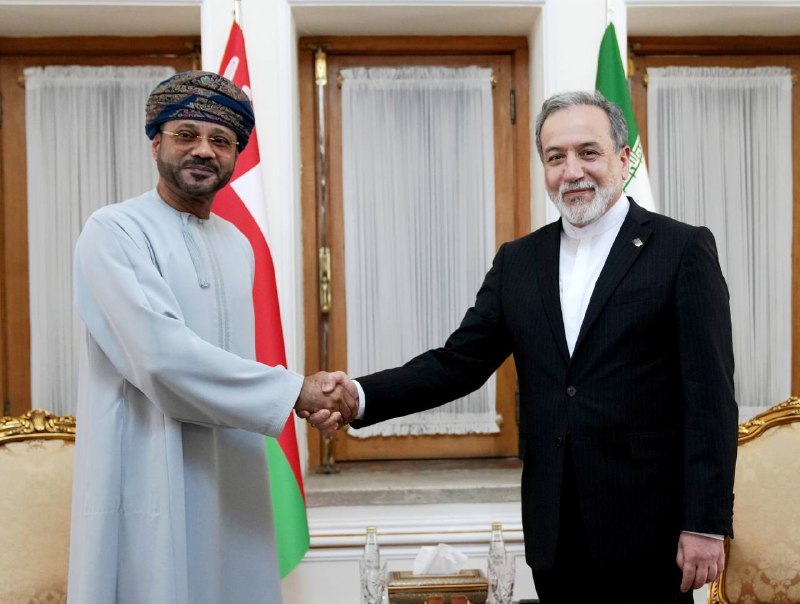
At 07:22 UTC on 11 July 2026, the Beirut-based satellite channel Al Alam — the Arabic-language outlet of Iranian state television — flashed a brief item across its Telegram feed: forty-two poets from ten countries will gather in Tehran next Tuesday, 14 July, for the inaugural edition of what it called the "Martyr Imam International Poetry Award." The phrasing of the announcement matters as much as the gathering itself. "Martyr Imam" is the honorific the Islamic Republic reserves for Ayatollah Ruhollah Khomeini, the founder of the system; an international literary prize bearing his name is, by design, a piece of ideological furnishing.
The Tehran regime has long used cultural convenings — book fairs, film festivals, calligraphy exhibitions, martyrdom conferences — as instruments of soft power aimed at audiences the security state cannot reach through direct patronage. A poetry prize, comparatively cheap and reputationally defensible, lets the state extend that work into literary circuits in the Arab world, Africa, South Asia and parts of Latin America where Iranian religious-cultural diplomacy has invested for two decades. The signal to readers in those capitals is that Tehran remains a convener, not a pariah.
A roster built for the camera
Al Alam's short Telegram item does not name the participants, but the format itself — forty-two poets, ten countries, an inaugural edition — is the kind of roster Iran's cultural organs typically assemble through embassy cultural attachés, the Organisation of Islamic Cooperation's cultural channels, and the network of Islamic seminaries and cultural centres that follow the Wilayat al-Faqih line. The state-aligned coverage frames such gatherings as evidence that the Revolution's cultural appeal outlasts sanctions and diplomatic isolation.
Iran's cultural diplomacy has a measurable footprint beyond poetry. The Islamic Development Organisation runs translation subsidies; the International Quran Competitions bring reciters to Tehran each spring; the Resistance Film Festival annually curates features and documentaries aligned with the regional axis the Republic calls the "Resistance Front." A prize named for Khomeini slots into that machinery, where the literary event doubles as a credentialing exercise for writers willing to be photographed with the framework.
What the framing leaves out
The announcement does not specify a jury, a prize purse, a publishing outcome, or a guest list. It also does not address the political backdrop against which the laureates will read: the Islamic Republic continues to detain and prosecute Iranian writers, translators and filmmakers whose work falls outside the official line, with the Writers in Prison Committee of PEN International tracking ongoing cases against figures inside the country whose names will not appear on next week's podium. That asymmetry — a state honouring foreign poets while domestic poets face prosecution — is not a detail Al Alam's bulletin touches.
There is also no indication that any of the ten countries are represented by a writer whose government is openly hostile to the Islamic Republic; the soft-power logic of such events works best when participants travel voluntarily and publish their accounts on return. The audience for the photograph is therefore less the ten sending countries than Iran's own cultural-political constituency at home and across the region — a constituency to whom the prize says the Republic still has friends, still hosts, and still narrates.
Reading the signal against the trajectory
A poetry prize is not a missile test and it is not a sanctions-evasion network. But it sits inside a wider pattern: across 2025 and the first half of 2026, Tehran has leaned harder on cultural and religious-diplomatic channels as its conventional diplomatic space has narrowed. Direct talks with Washington have moved in fits and starts; the regional axis has absorbed successive blows; the currency and inflation picture inside the country remains bleak. In that environment, a low-cost, high-visibility cultural event does the work that a foreign-ministry communiqué cannot.
For readers outside Iran's information ecosystem, the practical question is whether such events translate into anything durable — literary networks that survive the news cycle, translation pipelines, university partnerships. The historical record on that score is mixed. Earlier Iranian-sponsored literary prizes have produced anthologies and a small tier of regional writers happy to cite the experience in their biographies. They have not, by any honest measure, shifted the broader international reading of Iranian literature, which still circulates through Persian-language diaspora presses and translation houses with little to do with the state.
What to watch on 14 July
Two concrete markers will tell readers how seriously to take the launch. First, whether the official programme names a jury of recognised literary figures — as opposed to cultural-attaché functionaries — and whether that jury includes any writer with an independent critical reputation inside Iran. Second, whether the published poems, or excerpts, surface in translation inside the first thirty days, or whether the event's afterlife is confined to state-media highlights and ceremony photographs.
A third, quieter marker: the reaction of regional literary organisations. Bodies such as the Arab Writers Union, the African PEN centres, and the South Asian literary associations have, in past years, taken public positions on Iranian state cultural events. Whether any of them issue a statement either welcoming the laureates or declining association will be a more honest read of the prize's actual standing than the Telegram bulletins themselves.
The verses recited on 14 July will matter less than the list of names attached to them.
Desk note: Monexus framed this as a soft-power read of a cultural event rather than a literary one, treating the announcement as wire material from an Iranian state-aligned outlet and declining to inflate an inaugural poetry prize into a diplomatic breakthrough. The signal sits inside a documented pattern of Iranian cultural diplomacy — see our prior coverage of Resistance Film Festival reporting — and we let the structural frame do the work without naming theorists.
Wire provenance
This editorial synthesis draws on the following public wire/social posts:
- https://t.me/alalamarabic