Argentina, England carry World Cup ambitions into a quarter-final Saturday shaped by Messi, Haaland and a hamstring
Two knockout fixtures, two global brands and one question of whether Argentina and England can absorb the absences and momentum swings before the last eight closes.
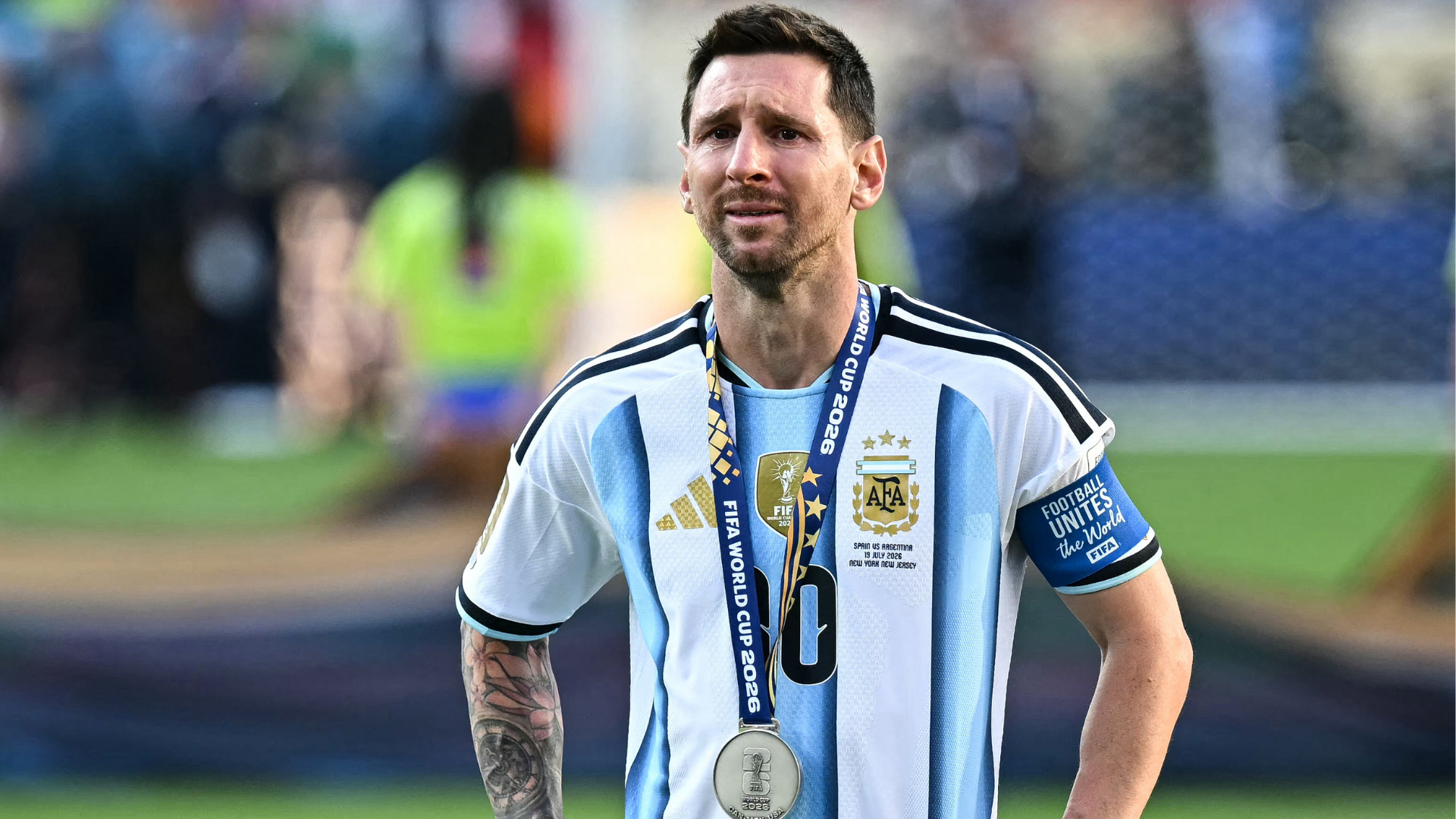
Two World Cup fixtures on Saturday, 11 July 2026, will determine whether Lionel Messi and Argentina, and a Marc Guehi-depleted England, keep their championship arcs alive against a Switzerland side built on collective structure and a Norway team fronted by Erling Haaland. Kickoffs sit inside the CBS Sports betting window for both games, with Argentina–Switzerland and England–Norway the day's marquee quarter-final pairings.
The storyline that travels furthest is the simplest one: can the tournament's two largest individual markets, Messi at 38 and Haaland at the back end of his prime, bend a knockout round increasingly suspicious of solo genius? That tension has hardened into the competition's recurring motif, and Saturday hands the question a concrete setting.
Argentina's bench, Switzerland's wall
Argentina arrive with the depth that group-stage rotations are designed to build. Manager Lionel Scaloni has used the wider squad deliberately, rotating minutes through the pool phase to keep legs fresh for the run that matters. Switzerland, by contrast, are the team nobody flatters in preview but everybody respects once the whistle goes. Murat Yakin's side conceded sparingly through the groups, organised in a 4-2-3-1 that funnels opposition play into low-percentage areas, and have reached this stage on the back of structure rather than stardom.
The bet markets opened with Argentina as favourites, per CBS Sports, but the spread reflects a specific kind of respect: Switzerland are priced close enough to keep the matchup honest. The single biggest variable for Argentina is whether the supporting cast around Messi can sustain territory and chance creation when the Swiss low block absorbs the first wave. For Switzerland, the question is whether they can survive the first ten minutes without conceding the kind of set-piece goal that turns tactical discipline into regret.
England's defensive headache
The more urgent injury story of the day sits in the England camp. Centre-back Marc Guehi is a serious doubt for the quarter-final against Norway after picking up a hamstring strain in the round-of-16 win over Mexico, according to Sky Sports reporting on 10 July. Guehi has been a first-choice piece of Thomas Tuchel's preferred build, the left-footed partner that lets John Stones settle into a less exposed role, and his absence would force a reshuffle rather than a like-for-like swap.
Tuchel's options narrow. Ezri Konsa is the most natural cover; Tottenham's Radu Dragusin offers a more physical profile but fewer tournament minutes. Either way, England lose the player most likely to step into midfield and break the first line of Norwegian pressure, which matters against a side that funnels everything through one route: quick ball to Haaland, hold-up, recycle.
The Haaland problem
Norway's path to the last eight has been the simplest blueprint in the tournament: get the ball to Haaland, get the ball into the box, repeat. It is not subtle. It does not need to be. Haaland's finishing numbers through the group stage and round of 16 put him at the top of the Golden Boot race, and his hold-up play has improved enough that Norway can play through him rather than around him.
England's solution, if Guehi cannot start, is probably to crowd the central channel with a midfielder dropping into the half-space, daring Norway's full-backs to cross from wide. That is a trade: it denies Haaland the duel he wants but exposes the flanks to the kind of second-phase crosses that have undone England in past knockout exits. The midfield battle, not the defensive duel, will decide it.
What the betting market is telling you
CBS Sports lists both fixtures on the FanDuel menu, with Argentina favoured but not heavily, and England priced as a slight favourite against Norway. The tight spreads are themselves a story: in a tournament where the gap between contender and dark horse has narrowed, the bookmakers are pricing these as coin-flips with a marginal edge to the better-resourced squad. That is the structural point. The 2026 knockout rounds have rewarded coaches who managed minutes, not stars who carried them.
If Messi plays the full ninety, if Haaland gets one clear chance in the box, the headlines write themselves. If neither produces a moment, the quarter-finals tighten further and the bracket tilts toward a semi-final nobody's preview has named.
On the sports desk, this publication treats the betting line as a market signal about squad depth rather than as a prediction of outcome. The sharper story on Saturday is not who wins, but which of these four teams can absorb a star player's off night without losing the match.