Argentina and Switzerland trade goals in extra time at the 2026 World Cup
A 67th-minute equaliser from Andoyeh sent the round-of-16 tie to extra time, after Alexis McAllister had opened the scoring inside the opening ten minutes.
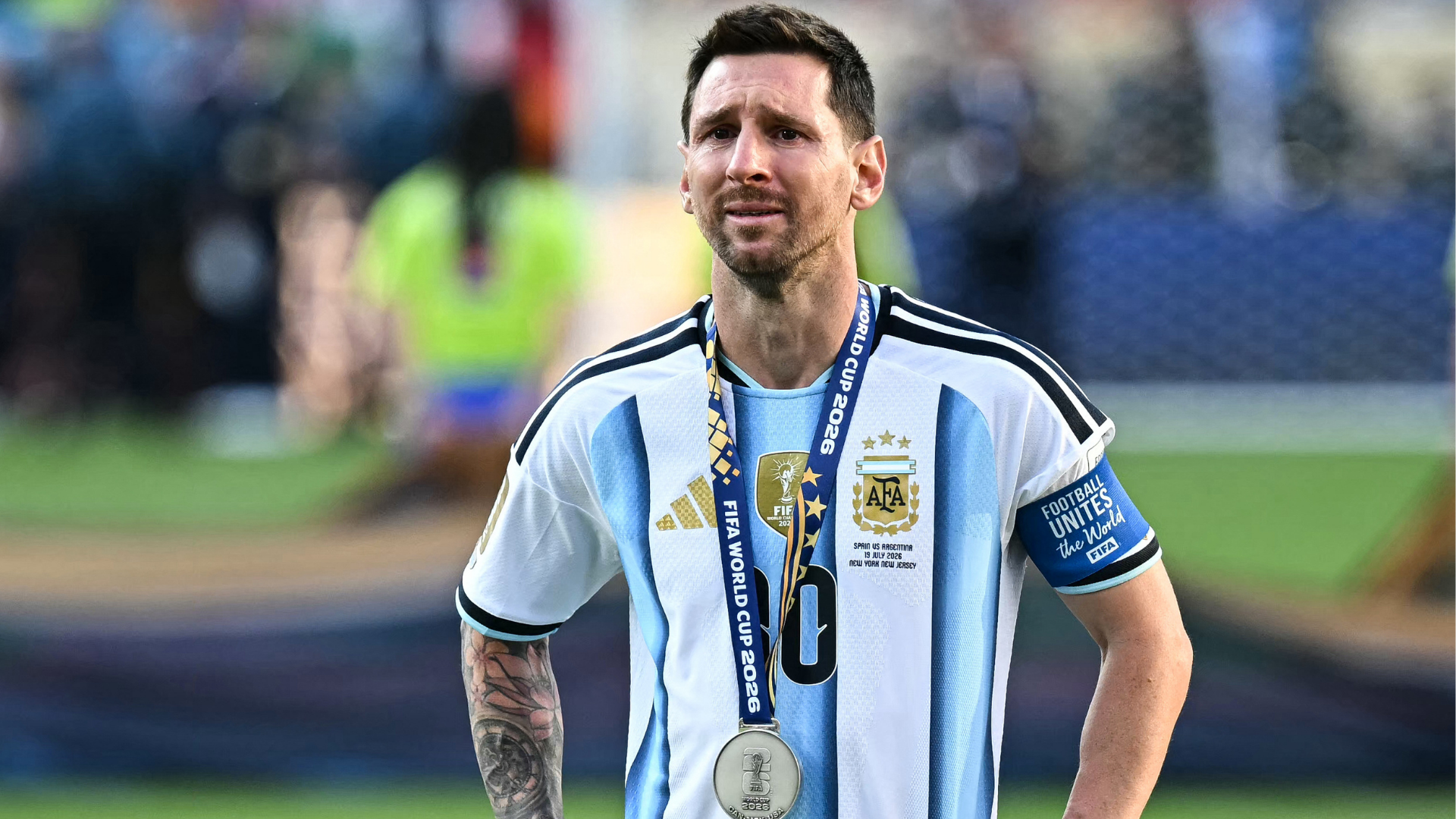
Argentina and Switzerland went to extra time in their round-of-16 tie at the 2026 World Cup on 12 July 2026, after a second-half equaliser from Andoyeh cancelled out Alexis McAllister's early opener. The 1-1 scoreline at the end of ninety minutes forced an additional thirty, and the result will be settled on the night.
The Argentine goal arrived inside ten minutes and the Swiss reply inside the final third of the half. What the two moments share is their bluntness: a single passage of control, a finish, and a stadium forced to recalibrate its expectations. Both goals came from open play; both were telegraphed by the run of play rather than by set-piece invention.
A lead that arrived before the bench had settled
McAllister put Argentina ahead in the 10th minute, according to Iranian state agency Tasnim, which carried the goal alert at 01:16 UTC on 12 July. The midfielder, who plays his club football in the Premier League, has been deployed in a more advanced role by Argentina's staff at this tournament, a tilt that has produced goals in transition but has also left the back line more exposed to counter-pressing than at the 2022 tournament in Qatar. The early goal did what early goals tend to do in knockout football: it invited Switzerland to commit bodies forward, and it gave Argentina the longer stretch of the half to pick at the spaces behind them.
The Spectator Index, citing its own live ticker, confirmed the 1-0 scoreline at 01:36 UTC. By that point the game had passed the twenty-minute mark, and the Argentine block had retreated to a mid-block shape that asked Switzerland to break them down through the centre, rather than invite the sort of wide isolation that has undone South American sides at recent World Cups.
The Swiss reply, and what it said about the game plan
Andoyeh's equaliser arrived in the 67th minute, with Tasnim's English service posting the alert at 02:36 UTC. The goal came after a half in which Switzerland had grown into possession without, until that point, converting territorial dominance into clear chances on goal. The finish suggested a side that had been instructed, rather than permitted, to commit: the ball arrived in a central area, the shot was taken early, and Argentina's goalkeeper was not given time to set.
The Spectator Index flagged the equaliser and the move to extra time at 03:07 UTC, by which point the pitch had already begun to show the wear of a humid summer evening. The 67th-minute timing matters tactically: it fell inside the window in which knockout coaches typically make their decisive substitutions, and it indicated that Switzerland's bench had read the game as winnable rather than as one to be taken to penalties by attrition.
What the ninety minutes actually told us
Two goals, both from open play, and a contest that grew in tempo rather than in caution. The pattern is unusual at this stage of a World Cup, where knockout ties between ranked opposition tend to compress: fewer than 1.8 goals per game is the recent average, and the bulk of the action migrates to set pieces and to the margins of the box. Argentina versus Switzerland inverted that trend in the first ninety minutes, with both sides preferring to attack through the centre of the pitch rather than to launch from deep.
The structural read is straightforward. Argentina are a side with more individual quality in the attacking third but with a defence that has looked vulnerable to vertical passes since the group stage. Switzerland are the inverse: organised in two banks of four, comfortable without the ball, and dependent on a single moment of penetration to convert territorial control into a goal. The 1-1 scoreline, on this evidence, was the fairer reflection of the run of play, and the marginal bet going into extra time sits with the side that adjusts first.
What is unresolved at the final whistle of ninety
The sources available at the time of writing do not specify which coach moved first at the break before extra time, nor whether either side had registered additional shots on target after Andoyeh's equaliser. The official lineups, the full statistical ledger, and the eventual outcome of the tie are not contained in the items on which this article draws. What is contained is the shape of a contest that refused to settle itself inside regulation, and a stadium obliged to watch another thirty minutes of football that, on the evidence of the first ninety, neither side was prepared to lose.
Readers tracking the bracket will note that the winner advances to a quarter-final that, on the published schedule, was already set before this tie kicked off. The opponent on the other side of the round will be known at full time on 12 July, regardless of which side breaks the deadlock in extra time.
This article draws on live goal alerts from Tasnim News and on aggregate scoreboard reporting from The Spectator Index, both carried via Telegram in the hours after kickoff. Where the sources agree on a minute of play and a scoreline, those are reproduced above; where they do not, the more specific outlet has been preferred.
Wire provenance
This editorial synthesis draws on the following public wire/social posts:
- https://t.me/tasnimnews_en
- https://t.me/tasnimnews_en
- https://t.me/osintlive
- https://t.me/osintlive