Bellingham drags England past Norway and into a World Cup semi-final the squad has no right to expect
A 2-1 extra-time win in Miami, built on a Norway goalkeeping error and a Jude Bellingham brace, has England one match from a final, and a manager with a succession question he no longer has to answer.
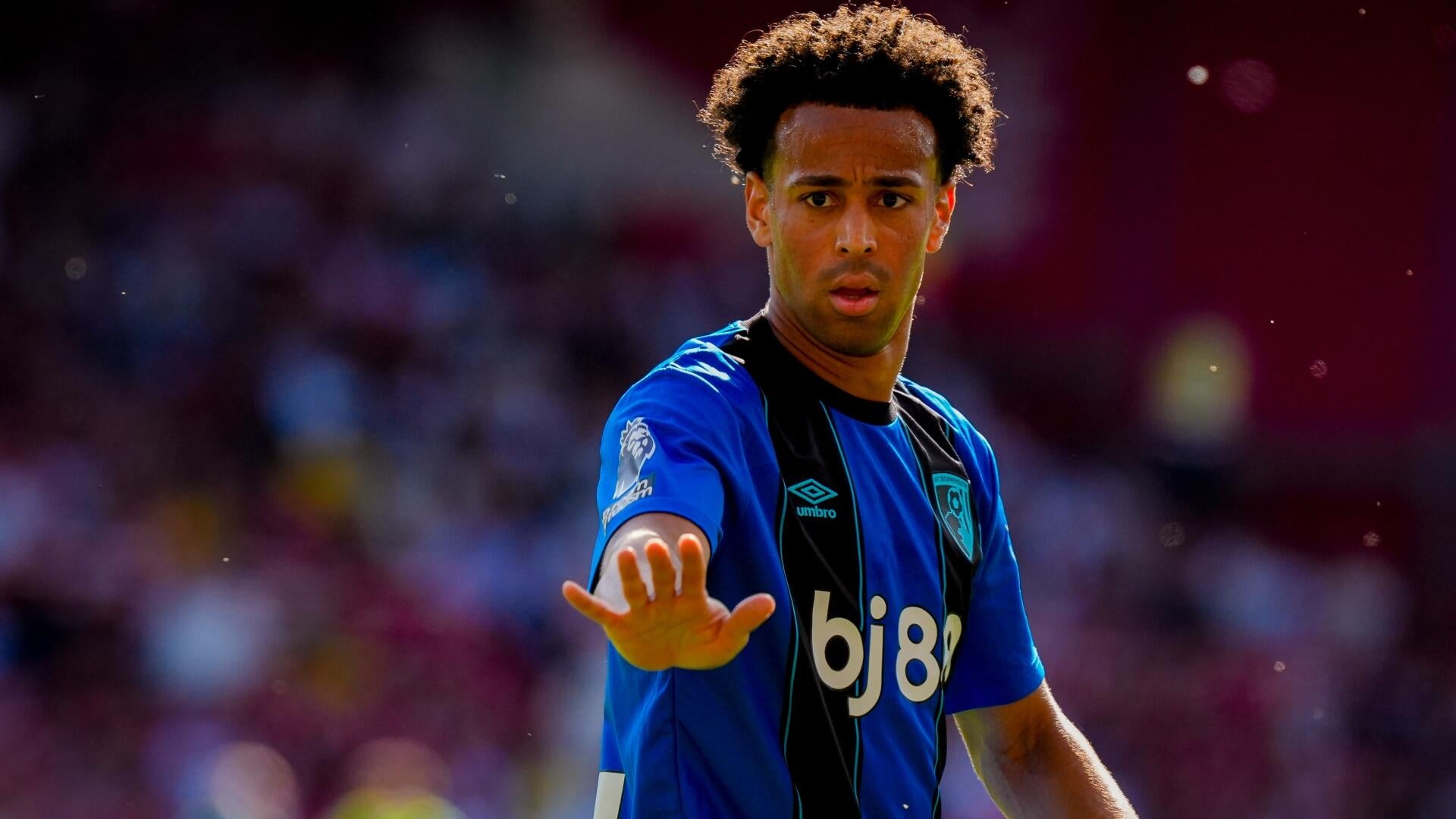
Jude Bellingham scored once on the brink of half-time to drag England level, then tucked away a second in extra time on 12 July 2026 to beat Norway 2-1 in Miami and book a World Cup semi-final, with Orjan Håskjold Nyland's error gifting the winner after the goalkeeper had earlier kept Norway in the tie. The result, confirmed in the closing minutes of extra time at the Miami venue, sends England past the quarter-final stage for the first time at this tournament and pairs them with the winner of the other half of the bracket. Norway exit with the Norwegian forward Erling Haaland contained for long spells by his clubmate Marc Guéhi.
What looked, for 40 minutes, like a night where England's campaign would die in the Florida heat instead became another entry in a Bellingham file that is starting to feel less like form and more like a pattern. The 22-year-old has now decided two knockout games in this tournament with goals scored at moments when the shape of the match was tilting away from England, and the team's worst-case scenarios have, twice running, been cancelled out by his interventions. Gary Neville, summarising for Sky Sports, said Bellingham's performance "gave me goosebumps" and called him "England's superstar now," adding that he had "never seen anything like it." The phrasing matters less than the venue: this is the consensus read across the British football press, not the cheerleading of a club-affiliated studio.
How the game actually ran
Norway took the game to England in the opening half-hour and went ahead through a set-piece routine that England's centre-backs never quite dealt with. The lead held until the 45th minute, when Bellingham arrived on the edge of the six-yard box to turn in a cross and equalise on the brink of half-time, a finish the BBC's live text described as the moment the stadium exhaled. From there the second half became a war of attrition: Haaland grew into the contest without getting the clear chance his movement deserved, and Guéhi, Bellingham's likely central defensive partner for the rest of the tournament, won the physical exchanges that mattered.
Extra time opened with both teams visibly short of running, and the decisive moment came in the second period: a back-pass to Nyland that the goalkeeper miscontrolled, Bellingham closing to apply pressure, the ball breaking kindly for the midfielder to pass into an empty net. Norway's player ratings in the press, generous to Nyland for his work against Brazil in the previous round, were blunt about the error: "Nyland will have nightmares about it," the i newspaper wrote. England saw out the remaining minutes without serious alarm.
The Norway counter-narrative, taken seriously
The temptation, with Bellingham, is to write the script backwards and treat Norway as bit-part extras. That would be lazy. Ståle Solbakken's side arrived in Miami as the lowest-scoring team still alive in the tournament and had built their run on defensive shape and Haaland's efficiency in front of goal. Their opening goal came from a rehearsed set-piece the English back line failed to track. Nyland, before the error, had been the player of the round against Brazil. A different bounce on the back-pass, and Norway are the ones through, and the post-mortem is being written about England's failure to break down a low block for the third match running. That is the version of the night the Norwegian press is, fairly, running.
Where the framing holds is on Bellingham's two moments. The equaliser was not a tap-in from a half-cleared corner; it was an arrival in the exact zone the cross demanded, timed to the second Norway's defenders switched off. The winner was created by a forward who never stopped running toward the goalkeeper's feet. Those are not luck, and the Sky Sports and BBC summaries converge on that read.
A team rebuilt around one player
England's tactical identity at this tournament has narrowed to a single premise: get the ball to Bellingham in the final third and trust him to invent. The wider structure has been inconsistent, the full-back positions have been rotated, the midfield balance has shifted between matches, and the central defensive partnership has been settled only in the last fortnight. None of that has mattered when Bellingham has produced, because he has produced at the moments when the structure has failed. The BBC's comparison of his record at this stage with World Cup legends, name-checking Messi's path through a comparable round, is the kind of framing that should be treated with caution at the best of times. The underlying point is sound: Bellingham is scoring and creating at a rate that no England player has managed at a tournament in the modern era.
The structural question for the manager is whether the side can hold its shape for ninety more minutes against a possession team. England's tendency to concede the first chance of each half has been a theme; the goal Norway scored came inside the opening twenty minutes, and the Spanish and German sides still standing in the bracket are built to probe exactly that weakness. The semi-final, scheduled for the back end of next week, will not be settled by another Bellingham moment alone.
What to watch next
The draw will be confirmed within twenty-four hours of the final whistle in Miami, with the winner of the other quarter-final awaiting England at a venue to be named. Nyland's error will dominate the Norwegian conversation for a week; whether Haaland stays at this tournament after his clubmate shut him down is a separate story, though the striker is contracted through the rest of the event. For England, the question is no longer whether Bellingham can carry a tournament. It is whether the team around him can stop asking him to.
Desk note: Monexus frames the win around Bellingham's interventions and Norway's defensive work, not the British tabloid reflex of crowning a hero before the next round has kicked off. The Norway counter-narrative is given equal weight where the evidence supports it.