England squeeze past Norway to reach World Cup semi-final, but the open goal tells its own story
A 2-1 win in the World Cup quarter-final was just enough for England. The result, and the missed chance that nearly defined it, say more about the side than the scoreline suggests.
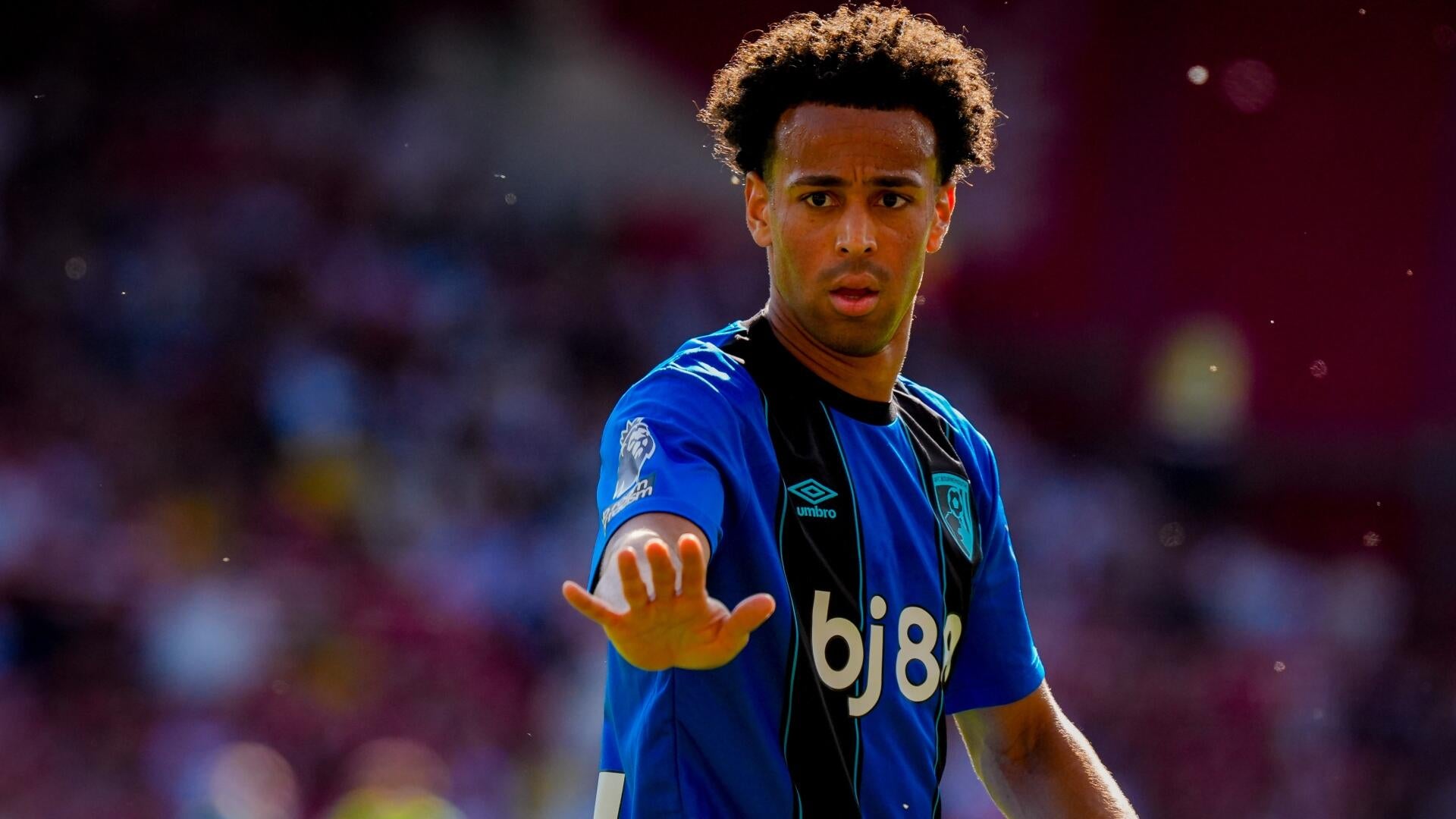
A penalty, a poacher's finish, and a sitter rolled wide: England are through to the 2026 World Cup semi-finals, but only after Norway's Caroline Graham Hansen skied an open goal from six yards in stoppage time that would have sent the tie to extra time. The 2-1 scoreline, confirmed at 23:48 UTC on 11 July 2026, papers over a performance that left the favourites gasping and reignited the argument about whether this England side can win a tournament rather than survive it.
There is a version of this game in which England cruise. They took the lead, doubled it before the break, and were playing the kind of opposition their squad was built to dispatch. Instead, they conceded early in the second half, spent the final half-hour inviting pressure, and relied on the width of a post and the reflexes of a goalkeeper to see it out. Graham Hansen's miss, a rolling finish from inside the six-yard box that drifted a metre over the bar, will be replayed in Norway for a decade. For England, it is a near-miss that should be read as a warning.
A team built to win, not to entertain
The player ratings published by BBC Sport's Alex Howell on 11 July capture the contradiction. The headline verdict, "he has dragged them through all tournament," applied to a squad whose talismanic forward has now scored in every knockout round. The supporting cast, by Howell's reckoning, has been uneven: defenders solid if unspectacular, midfield functional, wide players flattering to deceive. England have won three knockout games by a combined margin of three goals. Two of those wins were 2-1.
That is a profile of a side that knows how to win, not one that knows how to dominate. In a tournament where the United States and Spain have looked a class above the field in open play, England have built their run on set-piece efficiency, goalkeeping, and the individual brilliance of one player. The structure behind her has held, but it has not imposed.
The market priced it; the pitch almost disagreed
Polymarket's prediction market had England installed as heavy favourites well before kick-off, and the result followed the script the traders had paid for. That is the boring reading. The more interesting reading is that the price moved, briefly, during the second half. The live market reaction, captured on the platform's X account at 23:48 UTC, registered the Norway goal and the closing minutes of pressure as a genuine shift in implied probability. By full time the result matched the pre-match favourite, but the path to that result was closer than the pre-match odds suggested.
Prediction markets are not oracles. They are aggregators of belief under monetary constraint, and they have a habit of pricing outcomes rather than processes. A 2-1 England win with a 95th-minute open goal missed tells you the market correctly identified the most likely scoreline and the most likely winner. It does not tell you the winner deserved the win.
The structural read: knockout football flatters the deep squad
What England have, in structural terms, is depth without control. The squad rotation through the group stage allowed for fresh legs in the knockouts, and the bench has contributed goals in each round. But depth is a resource that compounds when the game is stretched, not when it is tight. Against Norway, who sat in a mid-block for the first hour and then committed numbers forward once the deficit narrowed, England had no mechanism to slow the game down. The substitutions were reactive, not proactive. The shape at 2-1 was the shape at 2-0.
This is the recurring pattern in major tournament football: the team that wins the World Cup is usually the team that can dictate tempo in the second half of a tight knockout game. Spain have shown it against Germany. The United States have shown it against Brazil. England, so far, have not shown it against anyone. They have shown they can survive it. There is a difference, and it usually costs sides in the semi-finals.
What semi-final brings, and what it hides
The draw, set for 12 July, will determine whether England face Spain, the United States, or a resurgent lower seed. On the available evidence, only one of those match-ups is winnable on current form; only one is genuinely dangerous on paper. The team sheet will tell its own story. So will the substitutions. So, crucially, will the first ten minutes: a side that begins on the front foot is a side that has decided to control a game. A side that begins by absorbing pressure is a side that has decided to survive it.
The honest read of 11 July is that England were given a quarter-final draw that allowed them to play badly and still win. They took the gift. The semi-final will not be so generous. Whether the response is to finally impose the game, or to wait for another opponent's open goal to go begging, will define the tournament for this squad.
Desk note: this piece is built on BBC Sport's player-by-player verdict and the live Polymarket reaction posted at 23:48 UTC on 11 July 2026; both are used as primary sources, with the prediction market treated as a measure of pre-match and in-play belief rather than as an oracle on the game itself.
Wire provenance
This editorial synthesis draws on the following public wire/social posts:
- https://x.com/polymarket/status/194512000000000000