World Cup teaser trail: BBC's daily 'Who am I?' returns ahead of a packed international calendar
Two consecutive editions of BBC Sport's daily World Cup-player guessing game dropped over the weekend, a quiet reminder that the broadcaster's editorial machine is already running at full tilt toward next summer's tournament.
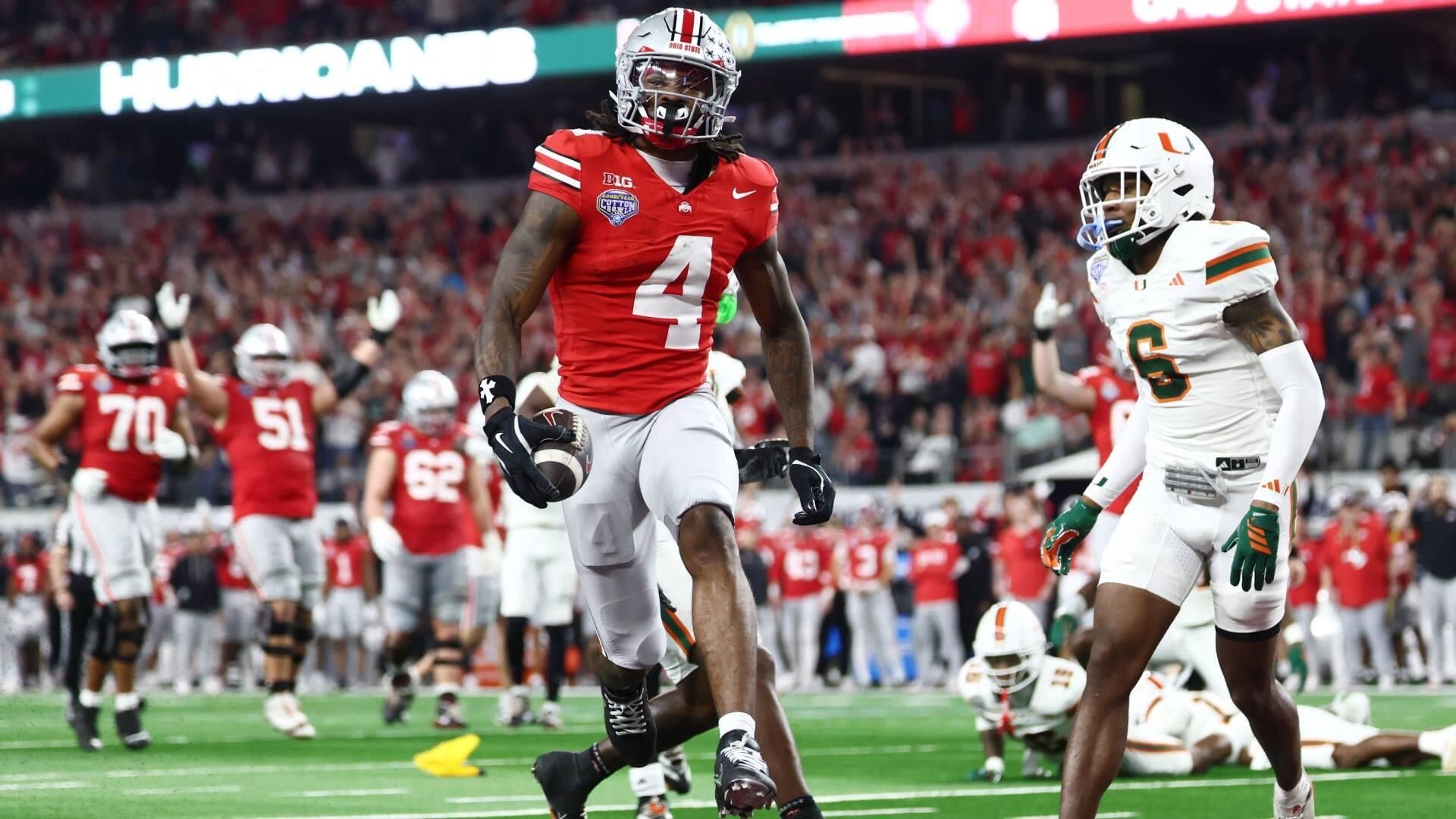
Two consecutive editions of BBC Sport's daily World Cup-player guessing game went live over the weekend, with edition No 35 posted at 06:15 UTC on 12 July 2026 and edition No 36 following at 05:29 UTC on 13 July 2026. The format is the same one the BBC has run through every major tournament since the quiz launched: six clues, narrowing by degree, and a player to be identified in as few attempts as possible.
On the surface this is content marketing dressed as trivia. Look closer and it is something more useful: a public signal that a publicly funded broadcaster is now operating in permanent World Cup mode, more than eleven months before the tournament kicks off in North America. The rhythm of the clues, the staging of the assets, and the choice to publish across two consecutive days all point to a desk already cleared for the long run-up.
The quiz as editorial scaffolding
BBC Sport's daily 'Who am I?' has become a low-cost but high-engagement habit. The 12 July edition framed its mystery player across six clues of escalating specificity, the 13 July edition reset the format for a new name. Both ran under the same URL template on bbc.co.uk/sport, both carried the same 'Guess World Cup star' header, and both asked readers to name the figure in the fewest possible guesses.
That cadence matters. Two editions in 36 hours is the kind of tempo that turns a one-off feature into a recurring appointment. The BBC is not charging for the quiz, not gating it behind an account, and not asking readers to opt into a newsletter. It is simply showing up, on schedule, with a single guessable name attached. For a sports desk that has to defend its reach against streaming highlights, search-result carousels, and short-form video, the quiz is a quiet piece of retention engineering.
Where the framing is thin
There is a more uncomfortable read, too. The two editions do not name the tournament in their hed. The header still reads 'World Cup' without a year, without a host confederation, without a city. With the 2026 finals in the United States, Canada and Mexico now fewer than 350 days away, that elision is doing work. A quiz labelled simply 'World Cup' travels further on social, ranks more easily in search, and detaches cleanly from any single organising body.
For a publicly funded broadcaster, that choice is defensible: FIFA owns the trademarks, the BBC pays for the right to use them in specific contexts, and a generic label is the safer legal posture. For readers, it has the side effect of making the quiz feel like a rolling fixture rather than a countdown. The structural pattern is familiar: a national broadcaster trades specificity for reach, and the audience is left to assemble the calendar themselves.
What the two editions actually show
The 12 July edition ("Guess World Cup star No 35") opened its clue ladder with career-level hints and closed with something close to a giveaway. The 13 July edition ("Guess World Cup star No 36") ran a tighter curve, with at least one clue that points to a position rather than a name. Both ran without a paywall, both carried the standard BBC Sport share buttons, and both linked back to the running index the broadcaster maintains for the format.
What is not in either edition is also worth noting. There is no squad announcement, no injury update, no managerial quote, no ticket-window reference. The quiz sits outside the news cycle on purpose. It is a content loop with its own gravity, designed to be played rather than read.
Stakes for the next eleven months
A quiz is not a World Cup. But the rhythm at which a major broadcaster publishes ancillary content this far out is, in practice, an early indicator of how much editorial real estate the tournament will consume once it begins. Two editions in 36 hours, both carrying the same header, both resetting the format, both free to play: that is the floor. The ceiling, based on prior tournaments, is a daily fixture running uninterrupted until the final in July 2027.
The contest to watch is not who solves the quiz first. It is whether the BBC, and the rest of the UK press, can hold a serious news conversation about the tournament at the same time as the trivia loop is asking for clicks. The two formats answer different questions, and the editorial decision about which one gets the front page will be made quietly, edition by edition, between now and the opening whistle.
Monexus framed this as media-desk analysis rather than a sports-news brief: the editorial question is not the mystery player, but the editorial cadence around a publicly funded broadcaster's longest pre-tournament runway in years.