Europe bought a record first half of Russian LNG. The phase-out is still on the books.
First-half EU imports of LNG from Russia's Yamal plant hit a record, even as the bloc's ban on long-term Russian LNG contracts approaches.
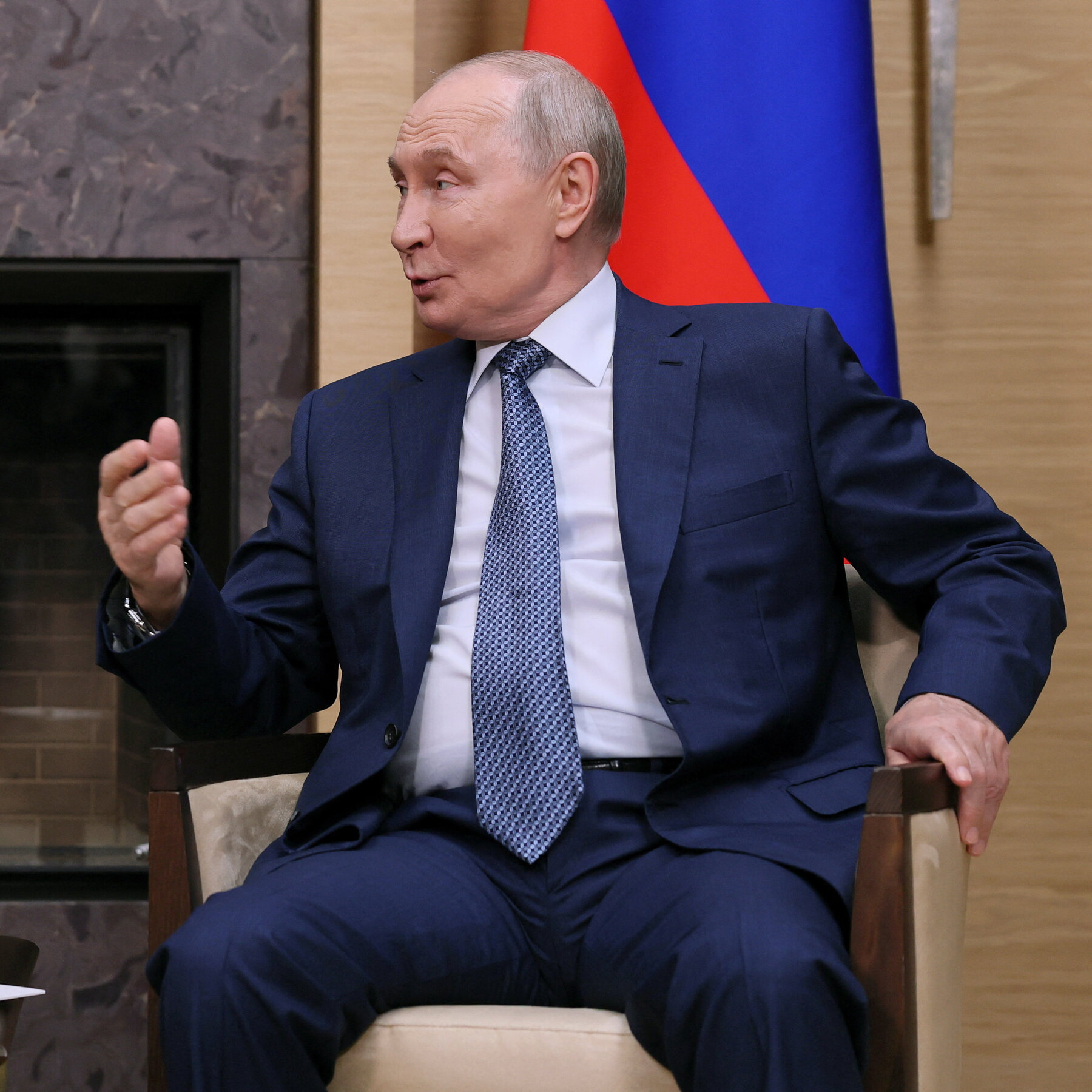
The European Union imported a record 9.97 million metric tonnes of liquefied natural gas from Russia's Yamal LNG plant in the first half of 2026, a 16% increase on the same period a year earlier, according to a Reuters dispatch carried on 13 July 2026 by the Telegram channel @wfwitness. The figures, echoed minutes later by the aggregator @ClashReport, capture a paradox at the heart of the bloc's energy divorce from Moscow: Europe's demand for Russian molecules has never been higher in absolute terms, even as the legal architecture designed to end that dependence sits months from activation.
That gap between policy and pipeline is now the story. Brussels has spent three years rewriting the rules of European gas trade: phasing out long-term contracts with Russian suppliers, banning re-exports of Russian LNG through EU ports, and steering member states toward Norwegian, US, Qatari and increasingly African supply. The package has produced results at the contract level, but the physical gas keeps arriving on ships that load above the Arctic Circle at Sabetta, on the Yamal Peninsula, before sailing west along the Northern Sea Route or through the Suez Canal.
What the first half actually shows
Reuters, citing trade-tracking data, says EU buyers took 9.97 million tonnes of Yamal-origin LNG between January and the end of June, with @ClashReport citing a near-identical 9.89 million-tonne figure for the same window. The two numbers diverge by less than 1%, a margin consistent with differences in how each tracker attributes cargoes that change hands mid-voyage. Both outlets agree on the qualitative finding: the bloc bought nearly all of the facility's output for the period.
The headline is the volume. The more telling number is the year-on-year jump. Sixteen percent is not a rounding error. It reflects a market that, three years after Russia's full-scale invasion of Ukraine, still treats Russian LNG as a price-setting marginal cargo rather than a sanctioned one. Spot purchases from Yamal remain legal under EU rules; what the bloc has restricted is the contract architecture that locks in supply for years.
Why the legal phase-out matters more than the volume spike
The discrepancy between record flow and shrinking contract runway is by design. The EU's nineteenth sanctions package, agreed in 2025 and refined in early 2026, prohibits new long-term contracts with Russian LNG producers and forces existing contracts to wind down by a defined date. Spot cargoes, by contrast, remain permissible, on the theory that they let the market clear without entrenching dependency.
The result is a half-life market: spot volumes surge as buyers race to fill storage ahead of winter, even as the contractual floor disappears under them. Traders familiar with northwest European hubs describe a pattern in which the same cargo can be sold three or four times before regasification, each transaction capturing a sliver of price premium for a molecule that will be harder, not easier, to source once the contract ban bites in earnest. The legal architecture is doing what it was designed to do: making Russian LNG expensive and unreliable as a strategic input, even when it remains cheap as a tactical one.
The Russia side of the ledger
From Moscow, the picture reads differently. Yamal LNG is a joint venture between Novatek, TotalEnergies, CNPC and the Silk Road Fund, with Novatek as operator. The facility's nameplate capacity is around 18 million tonnes per year, meaning that EU buyers absorbed well over half of its first-half output, even as Russian policymakers have spent the same three years pivoting exports toward Asia, building the Power of Siberia pipelines to China and commissioning new regasification capacity at Arctic and Baltic ports.
That pivot is real, but it is not finished. China's contracted offtake from Yamal remains a fraction of Europe's, and the overland corridors to Asia operate at the wrong scale and the wrong lead time for Moscow to replace a 16% European volume jump overnight. So Yamal keeps loading, EU ships keep arriving, and the sanctions regime keeps treating cargoes as legal while making the surrounding contract architecture hostile. The structural question is whether this arrangement is a transitional feature or a permanent one.
What the wire services are not yet saying
The Reuters figures reported via @wfwitness do not break down which EU member states absorbed the cargoes, nor do they quantify the share that was re-exported to non-EU destinations after regasification. Belgium's Zeebrugge and the Netherlands' Gate terminal remain the two largest landing points for Russian LNG in the bloc, and France's Dunkirk has handled growing volumes; the underlying trade database will eventually produce those splits, but they are not in the public thread yet.
Nor do the reports address the harder political question: whether the spot-market exemption survives the next sanctions revision. The European Commission's review cycle tends to tighten loopholes once they are flagged. If the next package narrows the spot window or restricts third-country re-exports more aggressively, the 9.97 million-tonne record may stand as a high-water mark rather than a new baseline. The political appetite to do so exists; the legal drafting and the member-state alignment required are another matter.
The stakes, in concrete terms
The immediate stakes are winter. Europe's storage levels entering Q4 2026 will depend heavily on how the spot market clears between now and October. If Brussels tightens the rules mid-year, traders face a binary choice: pay up now or walk away and trust that Norwegian, Qatari and US supply can backfill the gap. The first option raises consumer prices in the near term; the second risks a supply squeeze in a cold winter.
The longer stakes are about the credibility of European energy statecraft. A sanctions architecture that produces record import volumes in its third year invites the charge that the policy is performative, that Europe has decoupled rhetorically but not physically. That charge has limits: the contract architecture is doing real work, the price premium on Russian molecules is rising, and Moscow's ability to convert LNG into durable geopolitical leverage is eroding. But the limits matter, and the next two reporting cycles will show whether Brussels treats the record as evidence to tighten or as evidence that the current design is working.
This publication read the Reuters and @ClashReport dispatches side by side. Both point to record first-half flow; the policy debate about what to do about it is now moving inside the Commission, not on the cargo manifests.
Wire provenance
This editorial synthesis draws on the following public wire/social posts:
- https://t.me/wfwitness
- https://t.me/ClashReport
- https://t.me/wfwitness
- https://t.me/ClashReport