Settlement ministry eyes Negev farms around IDF air bases, mirroring West Bank model
Israel's Settlement Ministry is exploring agricultural enclaves around air force bases in the Negev, on the same template it has used in the West Bank. The proposal surfaces as the Gaza war reshapes domestic politics around land and security.
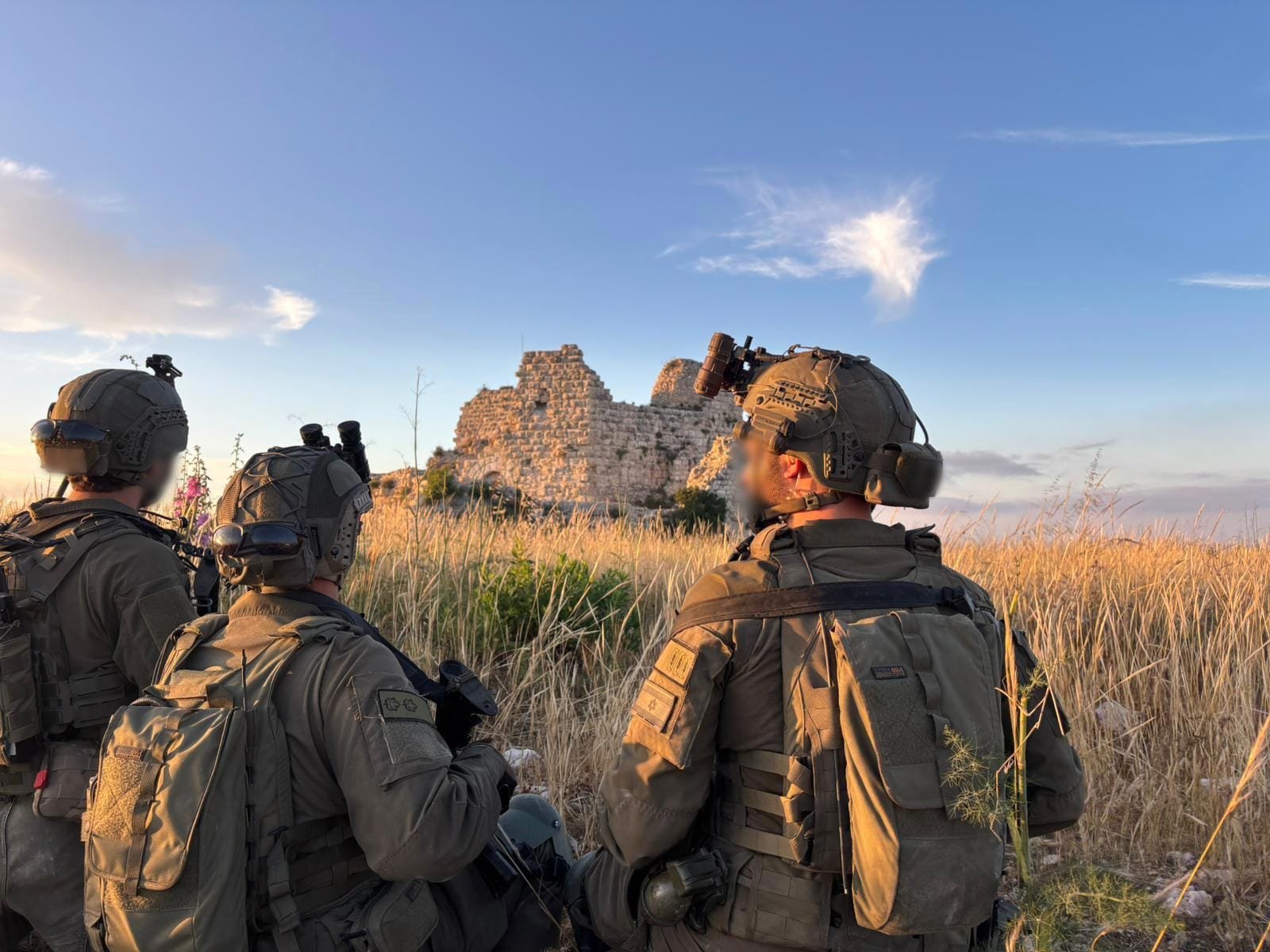
On 16 July 2026, at a settlement-policy conference in southern Israel, the Director General of the Ministry for Settlement Affairs, Avi Meir, said his office was weighing a new template for the Negev: agricultural enclaves ringed around Israeli Air Force bases, on the same bureaucratic footing as the farming outposts that have spread across the West Bank for two decades. The proposal, as reported by Israeli outlet AbuAliExpress, is preliminary. The signal it sends is not.
Meir's remarks point to a quiet fusion of two Israeli state programmes that have, until now, run on parallel tracks: the settler-movement drive to thicken Jewish presence in the occupied territories, and the military's land-management footprint around its own bases. Putting farms around runways, the argument goes, would harden a security buffer, give veterans and reservists a livelihood, and lock in a civilian geography the Defence Ministry would be reluctant to vacate. The political implications reach well beyond the desert.
A template lifted from the West Bank
Israeli settlement policy in Judea and Samaria has long used a two-step pattern: a piece of land is declared "state land," an outpost is built under a settler regional council, and civilian habitation is presented to courts and to the international community as a fait accompli. The farms-and-bases idea is the same logic in a new jurisdiction. Reporting carried by AbuAliExpress on 16 July notes that Meir framed the Negev plan explicitly as an extension of the Judea-and-Samaria model, citing precedent rather than improvising.
That framing matters. The Negev is sovereign Israeli territory, inside the 1948 lines, populated by a Bedouin minority that has spent two decades fighting state demolition orders on its own villages. Drawing on a West Bank toolkit inside sovereign Israel would normalise instruments previously reserved for the occupied territories: expedited land designation, military-adjacent zoning, settlement-region councils operating on ministry grants rather than municipal budgets. For the ministry, it is administrative continuity. For Bedouin citizens in places such as al-Arakib, Lakia, and the villages around Beersheba, it is the prospect of a new landlord with a different mandate.
What the proposal does, and does not, do
Read narrowly, the Meir statement is a policy float, not a budget line. No specific air base has been named, no hectares have been allocated, no farmer cohort has been selected. The conference framing matters more than the calendar. It places the Negev inside a ministry narrative whose default setting is more Jewish habitation on more land, faster.
Two practical questions follow. First, which air bases. The southern Negev hosts Nevatim, Ramon, and Ovda, all of which flew extensive strike packages over Gaza between October 2023 and the start of the ceasefire. Each sits on a large, fenced security envelope with contested Bedouin land claims on its periphery. Second, who farms. The West Bank template relies on Amana, the settlement movement's umbrella NGO, and on regional councils that receive direct ministry funding. Whether either would be the Negev operator, or whether a new entity would be chartered, is the open question that will determine whether this is a tweak or a structural shift.
Counter-reads and political weight
A charitable reading is administrative: bases are large, the surrounding land is underutilised, and pairing them with agriculture is benign land use. The Defence Ministry has, in past decades, run small pilot farms around training areas for veterans' reintegration. That history is real and should not be flattened away.
The harder reading is political. With the Gaza war's phase-one ceasefire holding in fragile form through July, the settlement lobby is searching for the next frontier. The Smotrich-led Finance Ministry, which oversees the Settlement portfolio, has openly framed 2026 as the year of sovereignty steps, including formal annexation debate and accelerated building in Maale Adumim's E1 corridor. Adding the Negev to that agenda widens the territory in which "settlement" becomes the operative category, not the exception. International legal exposure is a known cost; the bet inside the coalition is that domestic politics rewards the move and that Washington, focused on hostage diplomacy and Iranian deterrence, will not price it in.
The Negev Bedouin community, represented by the Regional Council for Unrecognised Villages and by advocacy groups in Tel Aviv and Jerusalem, has not yet been named in the reporting around Meir's remarks. That absence is itself a data point. A policy framed around air bases and farms, with the civilian population already on that land unmentioned, is a policy choosing its interlocutors.
What to watch over the autumn
Three dates will sort signal from noise. The Knesset recess ends in late October; any budgetary line item for Negev farms would land in the 2027 budget process and would have to clear the Knesset Finance Committee, where Smotrich's weight is decisive. A formal Defence Ministry response, if the air-base land is technically under IDF jurisdiction, would have to come from the office of Defence Minister Israel Katz or his deputy. And the next round of US-brokered hostage talks, due to resume in Doha, will set the political ceiling on how much settlement expansion the coalition believes it can absorb without friction.
The AbuAliExpress reporting is a single source at a single conference. The thread does not include a Ministry of Defence statement, a Knesset bill number, or a Bedouin council response. What is verifiable is that a senior director general publicly invoked the West Bank template for the Negev on a recorded date, and that the framing itself is the news.
Desk note: Monexus is leaning on a single-channel Israeli source for this early read, with no counter-cite from Palestinian, Bedouin, or US wire available at press time. The story is filed as a policy signal, not as a confirmed programme. We will widen the source base when additional on-record material appears.
Wire provenance
This editorial synthesis draws on the following public wire/social posts:
- https://t.me/abualiexpress
- https://t.me/englishabuali
- https://t.me/englishabuali/220