Trump turns the World Cup into a political lectern, and a tariff threat at Canada
Three days of presidential posts turned a tournament, a transboundary smoke plume, and a geopolitical grudge into a single news cycle.
At 22:17 UTC on 17 July 2026, a figure tied to the Polymarket account @Polymarket posted that Donald Trump had revealed the 2026 World Cup had drawn more than 6.5 million attendees, surpassing the prior two tournaments combined. Five minutes later, President Trump made a second claim from the same venue: the United States should host the tournament again, this time without Canada and Mexico. By 08:15 UTC the next morning, Euronews reported Trump describing the suspension of a player named Balogun as the most memorable situation of his World Cup, complete with a claimed phone call to FIFA president Gianni Infantino to "let this guy play." And at 20:31 UTC on 17 July, the @unusual_whales account reported Trump announcing tariffs on Canada over wildfire smoke, citing "willful negligence."
Three topics, one news cycle, and the throughline is the use of the presidency as a megaphone for grievances that have little to do with one another. The tournament, the smoke, and the boundary question about who hosts next are now bundled into a single demonstration of how a sitting US president can convert any platform into leverage.
The tournament becomes a perch
The headline number, 6.5 million attendees across the 2026 tournament, is a remarkable figure if the underlying claim holds up against FIFA's official attendance reporting. Per the Polymarket post timestamped 22:17 UTC on 17 July, Trump put that number on the public record himself. Euronews, in its 18 July 08:15 UTC item, treated the World Cup venue as the setting for the day's most quotable presidential interventions, including the Balogun suspension and a direct pitch to Infantino to reverse it.
The Polymarket feed is not a primary source for FIFA's tournament statistics, and the number has not yet been independently corroborated against an official FIFA attendance release in the items reviewed. That is the necessary caveat: this publication treats the 6.5 million figure as Trump's claim until the federation publishes its own tally. The framing, though, is the point. A host-nation president using the world's largest sporting event as the stage for personnel decisions inside a match is a category of intervention the tournament has not previously absorbed.
"Leave Canada and Mexico out this time"
The 22:53 UTC Polymarket post, again attributed to a Trump statement, reframes the 2026 tri-nation arrangement as a one-off. The United States would host again; Canada and Mexico would not. The proposal lands in a USMCA renegotiation year, against a backdrop of intermittent tariff threats aimed at Ottawa, and follows a public pattern of treating co-host arrangements as reversible at the pleasure of the White House.
Canada's position is not represented in the source items reviewed, and neither is Mexico's. That is a meaningful gap. The joint bid was a multi-year governmental undertaking ratified by the Canadian, American, and Mexican federations and their respective political authorities; dismissing the partnership from a press lectern is not equivalent to dismissing it from a negotiating table. Until a Canadian or Mexican governmental response is on the record, this publication cannot say whether the proposal is a negotiating posture, a domestic applause line, or a serious policy opening.
Wildfire smoke, willful negligence, and a tariff trigger
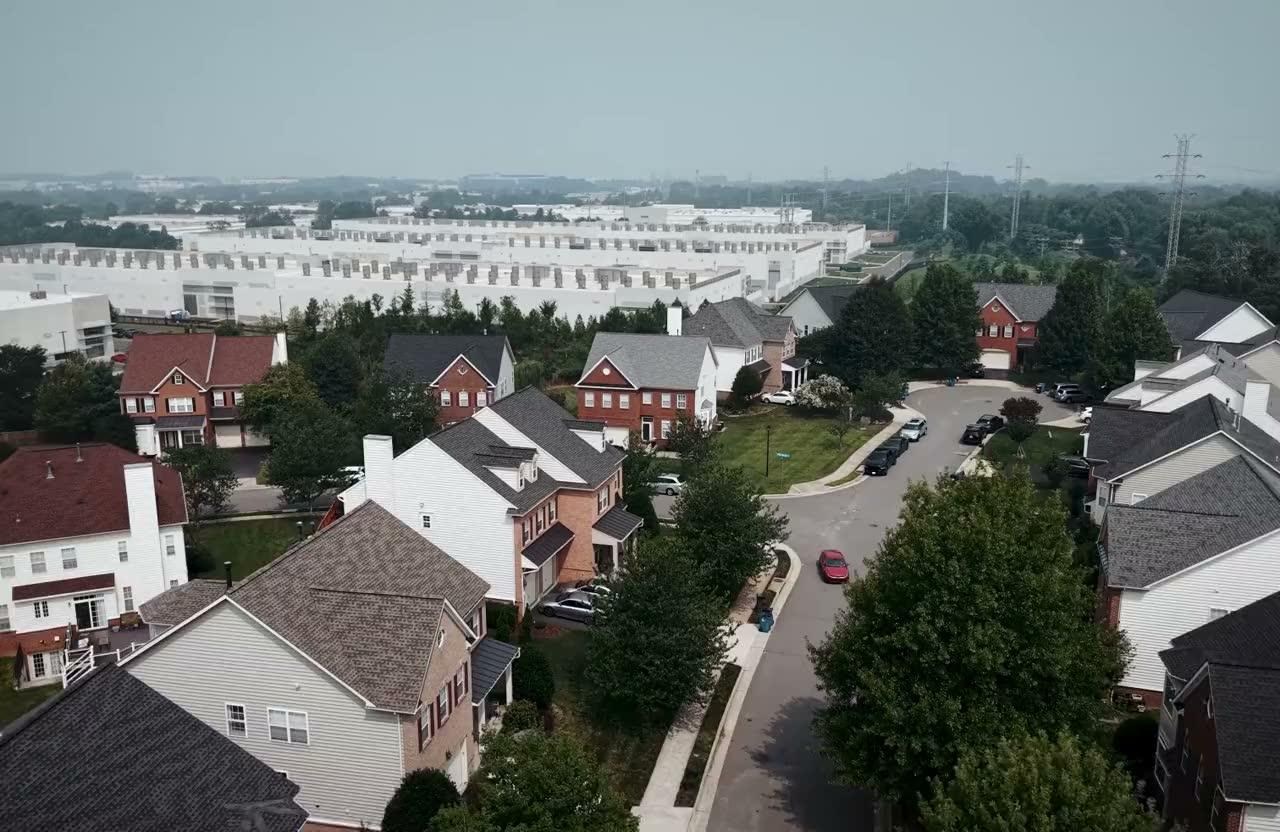
At 20:31 UTC on 17 July, the @unusual_whales account posted that Trump had announced tariffs on Canada over wildfire smoke, characterising Canadian forestry management as "willful negligence." Smoke from Canadian wildfires has drifted south in recent summers and degraded air quality across US population centres, but the legal threshold for a Section 232 or Section 301 tariff action is not wildfire smoke. Trade law runs on injury to a domestic industry; air quality, however legible to voters, sits outside that frame.
The pattern matters more than the mechanism. A tariff threat attached to a transboundary environmental event converts a public-health story into a trade instrument and a domestic political prop. If executed, the order would face the same legal friction as the 2025 tariff calendar: judicial review, retaliation calculus, and downstream price effects on US importers and consumers. The smoke itself does not change those constraints.
Stakes, and what to watch
The next 72 hours will tell which of these interventions were for the cameras and which are headed for the Federal Register. FIFA's official attendance reconciliation will settle the 6.5 million figure one way or another. Any official US Trade Representative notice on Canada would move the wildfire tariff from rhetoric to action. And the Infantino call, if confirmed, will sit awkwardly alongside FIFA's stated independence from host-state political direction. None of these threads has resolved, and the single most important variable is whether the Canadian and Mexican governments treat the World Cup remarks as invitations to negotiate or as insults to answer.
Desk note: Monexus is treating the Polymarket and unusual_whales posts as wire-level inputs rather than primary citations. Where a number or quote has not been independently corroborated against an official source, this publication says so in line.
Wire provenance
This editorial synthesis draws on the following public wire/social posts:
- https://t.me/euronews