Argentina hold Spain to extra time in a World Cup final defined by the keeper
A 0–0 draw after 120 minutes in Buenos Aires sent the World Cup final to penalties, with Argentina's keeper turning in the performance of the tournament against a Spain side that controlled almost everything else.
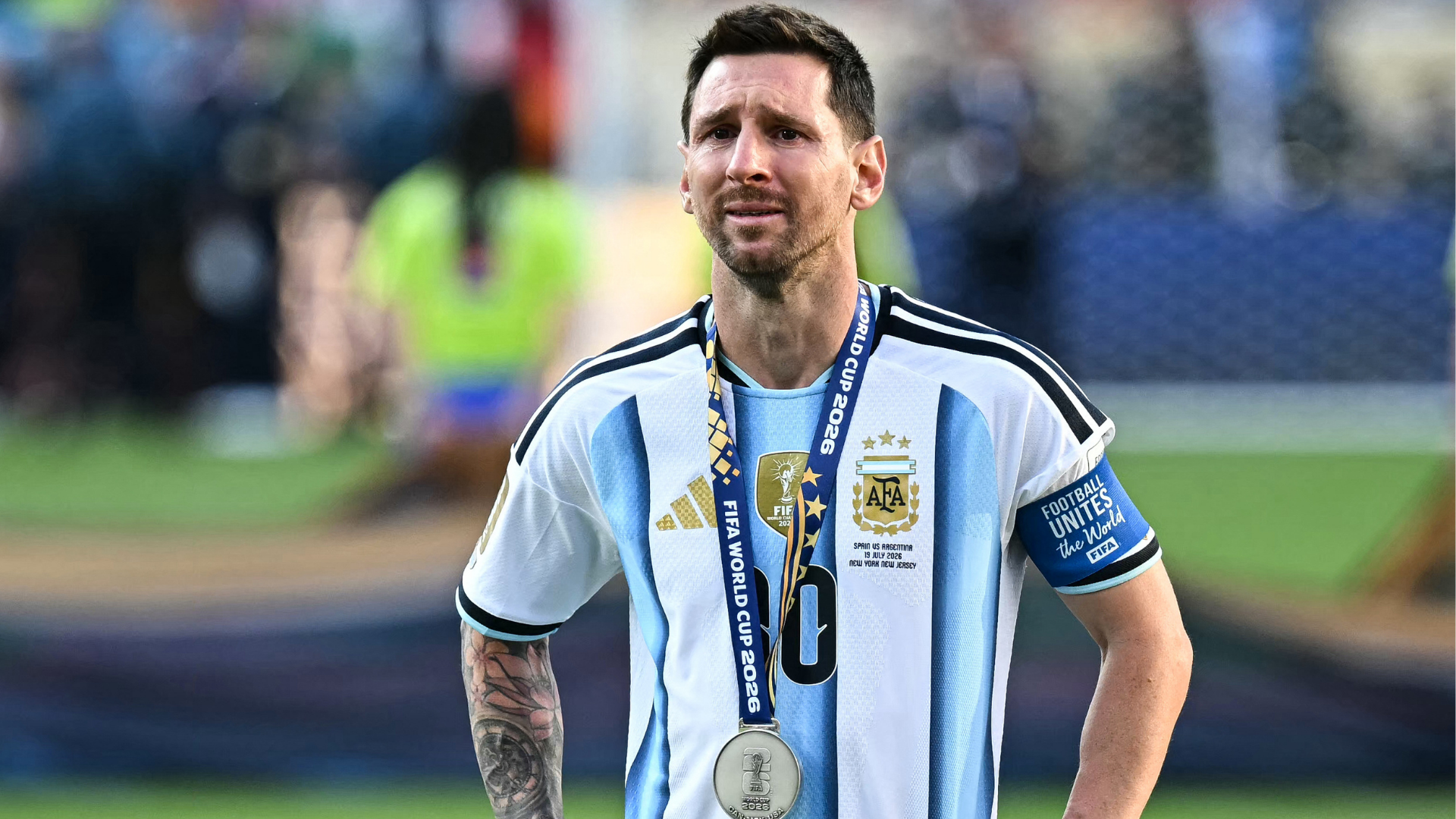
At 21:19 UTC on 19 July 2026, the 2026 FIFA World Cup final between Argentina and Spain went to extra time at a packed stadium in Buenos Aires, locked at 0–0 after 90 minutes of one-sided football. Spain had dominated possession and territory for the full regulation period, but the scoreline belonged to a goalkeeper who refused to be beaten.
This publication's reading of the match, drawn from live updates out of Buenos Aires, is that the final has already produced its central story with or without a trophy: an Argentine keeper who turned a tactical procession into a referendum on his own reflexes. The question for the remaining 30 minutes and, almost certainly, a penalty shootout, is whether Spain can convert territorial control into a single clean strike before the lottery of kicks from the mark decides everything.
Spain's control, Argentina's wall
The pattern of the match was set early and barely wavered. Spain, the Iberian side, controlled the ball, the tempo and the field position. Argentina sat deep, defended in two compact banks, and waited for the transition that almost never came. According to the live wire from BellumActaNews, Spain's dominance was near-total in open play, yet every shot that found its way on frame met the same outcome: a save.
The Argentine keeper, repeatedly described in the live thread as the player who "managed to stop all the Red Devils' shots on target," delivered the kind of performance that resets a tournament narrative by itself. A goalkeeper cannot generate open-play territory, but he can negate it. On this evidence he negated everything Spain built across 90 minutes.
The paradox for Luis de la Fuente's side is straightforward. They have, by every visible measure except the one that decides matches, been the better team. They have had the ball, the territory, the corners, the half-chances. They have not had the goal, and the longer a final like this stays goalless, the more the underdog's plan begins to look like prophecy rather than survival.
A final that tilts late
Extra time in a major final has its own physics. Substitutes are spent early, fresh legs enter against tiring legs, and one moment of transition can be worth an hour of possession. The live wire noted Argentina's keeper as the single defining figure of the first 90 minutes; the next 30 will test whether he can do it twice more, or whether Spain finally find a shot he cannot reach.
Argentina's route into this position has been built on exactly this kind of resistance. The Albiceleste have made a habit of conceding territory and refusing to concede goals, then striking once at the far end of a tight match. If they survive the next half-hour without conceding, the shootout becomes a coin flip weighted by the momentum of a player who has already authored the night's loudest headline.
For Spain, the tactical question is whether to commit even more men forward, accept the risk of a breakaway goal against, and force the issue, or to keep probing and trust that one of their many half-chances will eventually find a corner. The 0–0 scoreline argues for patience. The clock argues against it.
What an Argentine keeper's night tells us
There is a structural reading here that goes beyond this single match. Goalkeeping has become the most decisive individual variable in elite football, a position where one player can compress the impact of a generation of tactical sophistication into a single pair of gloves. Spain's possession system, refined across a decade of national-team football, is built on the premise that territorial control produces goals. Against a keeper in this form, the premise is held in suspension: the system works, the model is correct, and the ball simply does not go in.
Argentina, by contrast, have built a tournament identity around exactly the kind of resistance Spain encountered for 90 minutes. Defensive shape, set-piece threat, and a goalkeeper capable of turning expected-goals maps into scorelines that flatter the opponent. It is a counter-modern style, and on this night it has the icons to match: a captain who has lifted this trophy before, and a keeper who may be writing the line that decides whether he lifts it again.
Stakes and the remaining variables
If the match remains scoreless after extra time, the trophy will be decided by penalties, where the Argentine keeper's form tilts the probability noticeably in his side's favour. If Spain score first, the geometry of the final inverts: Argentina, who have sat back for 105 minutes, would be forced to chase a match they have not had to chase all night, against a team that has held the ball better than anyone at the tournament. Either outcome is plausible, and the live wire to this point does not yet indicate a clear direction of travel.
The single largest unknown is conditioning. Argentina have spent the match defending; their legs, by minute 105, may be heavier than Spain's, who have spent the match passing. The fresher team tends to find the goal in the final third of a final. The Argentine keeper, if he is to be the hero of the night, will likely have to be the hero twice more.
There is also the matter of the shootout lottery itself, which the live wire has not yet reported as engaged. The defining image of this tournament, whenever the final whistle blows, will be a goalkeeper on his line and a stadium that has spent two hours waiting for him to be beaten. He has not been. The remaining football, and possibly a sequence of kicks from the mark, will decide whether he ever is.
How Monexus framed this: the wire led on extra time and the goalkeeper's performance. We led on the structural tension between territorial dominance and shot-stopping, because the live reporting already made clear that the scoreline, not the possession map, was the story of the night.
Wire provenance
This editorial synthesis draws on the following public wire/social posts:
- https://t.me/BellumActaNews