Spain installed as World Cup favourite as Argentina wobble and the betting market does the talking
A prediction market pegs Spain at roughly 60% to lift the trophy after the group stage, and one viral post is reading geopolitics into the result.
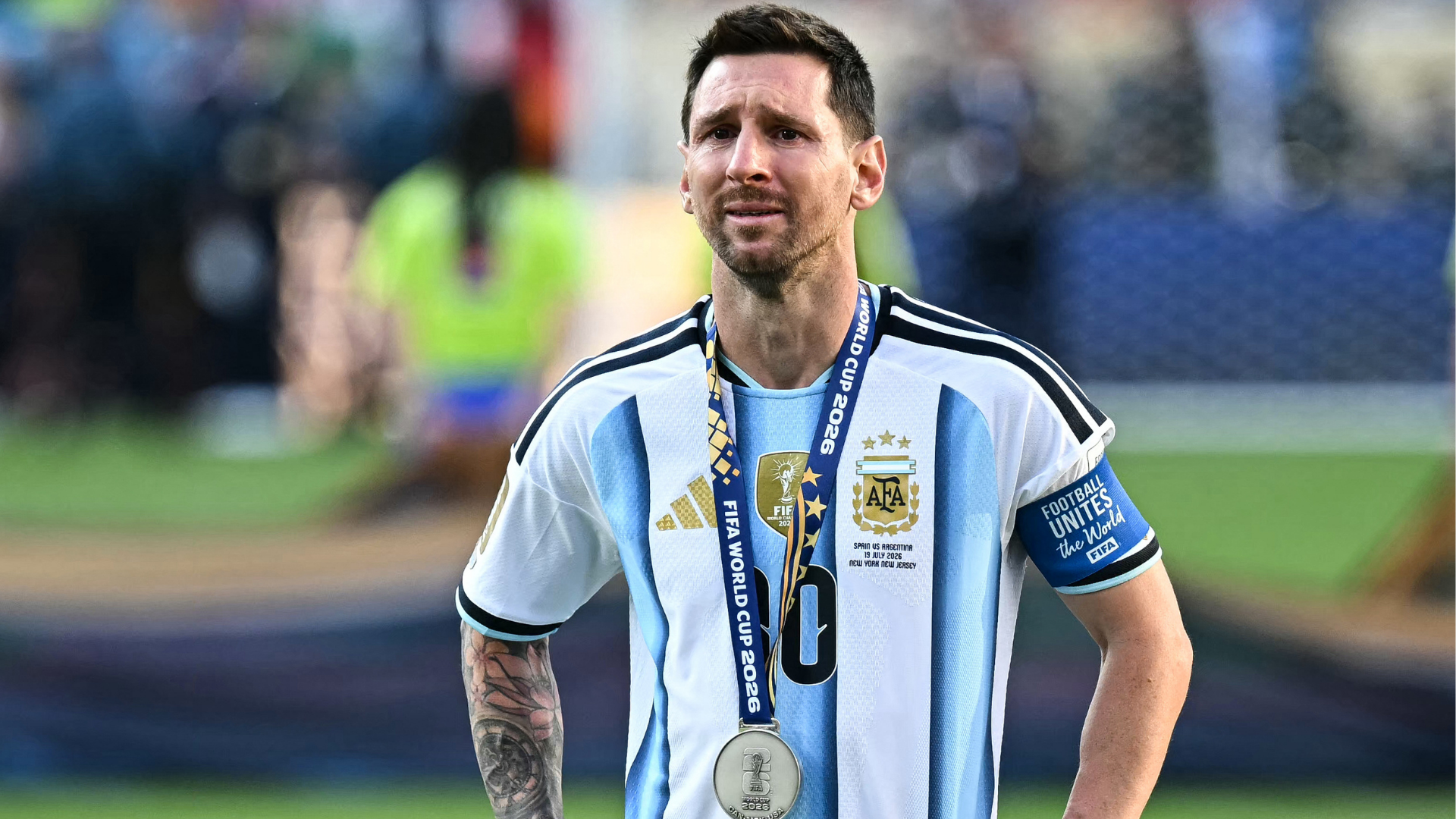
Spain entered the knockout rounds of the 2026 FIFA World Cup as the bookmakers' team to beat, with one regulated prediction market putting the probability of a Spanish title at roughly 60% in the hours before the side's next match. The price is a measure of confidence, not of destiny, but it is sharp enough to reset the narrative around a tournament that, on form and on weight of expectation, had begun to look like Argentina's inheritance.
What changed between kick-off in June and the group-stage climax in mid-July was a combination of squad rotation, tactical adjustment, and the slow grind of elimination football. Spain's depth across midfield and the wings has held up through three matches without a starting centre-forward being overworked. Argentina, the defending champions, have looked functional rather than fluent, and the market has priced that gap with unusual speed.
The number that moved the market
On 18 July 2026, at 02:29 UTC, the prediction market Polymarket listed Spain at approximately 60% to win the World Cup, against a field that includes Argentina, France, England, Brazil and a small cluster of dark-horse selections. The figure is not a poll of fans; it is the implied probability derived from the price at which contracts on the Spain-outright market are trading, with each contract paying out if, and only if, La Roja lift the trophy on 19 July in the final at MetLife Stadium, New Jersey.
That single print is doing more work than any pre-tournament ranking. Bookmakers had Spain installed as joint-second favourites behind Argentina at the start of the month. The market has now overtaken the bookies and is leaning harder into Spain than most mainstream preview coverage. The gap between the two is the story: prediction markets, which settle in cash and therefore force participants to put capital where their forecasts are, are pricing a different tournament than the column inches have been.
What the football is showing
Spain's path through the group stage featured three wins, eight goals scored and one conceded, with possession numbers consistently above 60% and a defensive shape that has so far absorbed pressure without conceding a clear chance from open play. The side has rotated its forward line without losing attacking rhythm, an indicator of squad depth that matters more in a 48-game, 32-team tournament than it does in a routine eight-match European campaign.
Argentina have not been poor. They have been uneven. The defending champions dropped points in a draw that the market read as a credibility hit, and their expected-goals output in two of the three group games sat below their 2022 trajectory. Lionel Scaloni's side still carry the structural advantage of a settled spine and the experience of having won the trophy 24 months ago in Qatar. But the tape is no longer theirs.
Why the politics crept in
On 19 July 2026 at 22:44 UTC, the Telegram channel Intelslava, a feed that normally tracks the war in Ukraine and Black Sea shipping, posted a sideways comment about the Spain–Argentina fixture: "i only meant if Spain tactically destroy argentina tonight even FIFA cant do anything. Sorry, Bibi, you did all for them, but it failed like your Regime Change 😁". The post reads a geopolitical subtext into a football match, a wink at Israeli prime minister Benjamin Netanyahu and a suggestion that Argentina's 2022 triumph in Qatar was, in part, a foreign-policy outcome.
The claim sits outside anything the tournament data supports. Argentina beat France in the 2022 final on the pitch, in regulation, extra time and penalties, and no serious investigation by FIFA, the Argentine Football Association or any wire service has alleged improper influence. What the post captures, accurately, is the texture of how international tournaments are now read: as proxies for everything else. A Spanish win on the field will be a football result, and it will also be a line in someone's geopolitical notebook. That double-reading is the condition of the modern World Cup.
What the markets cannot tell you
A 60% probability is not a 60% certainty. It is the price at which the marginal trader is willing to take the other side. Spain remain favourites, but knockout football compresses variance, and a single refereeing decision, a single sending-off, or a single injury in the warm-up can flip a market that has priced a tournament's worth of dominance into one fixture. Argentina's draw against a deeper, more physical side than themselves is a credible route back into the bracket, and France's path on the other side of the draw has been quiet enough to be dangerous.
The honest read is that Spain are favourites, Argentina are still champions, and the gap between the two is narrower than a 60% line implies. Prediction markets are useful for one thing: forcing people with money to act on their beliefs. They are not useful for telling you what happens next.
Stakes and signal
If Spain do lift the trophy, the Polymarket contract settles at full value and the pre-tournament consensus will be rewritten inside a news cycle. If Argentina retain, the market's early July confidence in La Roja becomes a footnote in a larger story about defending champions who refused to cede the era. Either way, the tournament has already done its work as a signal: the betting public now trusts Spain's process more than Argentina's pedigree, and the price on the screen is the cleanest measure of that shift.
What remains genuinely uncertain is whether the gap reflects Spain's true advantage or a market that has overreacted to three group games. The sources do not specify which. The pitch will.
How Monexus framed this: a tournament pricing story, not a political one. The Intelslava post is treated as colour, not as evidence; the Polymarket print is treated as a market read, not as a forecast.
Wire provenance
This editorial synthesis draws on the following public wire/social posts:
- https://t.me/intelslava