The Houthis' new frame: Saudi Arabia as American milking stool
In a cluster of relays on 30 July 2026, Abdul-Malik al-Houthi recast Riyadh as a US client and Iraqi territory as a stage for what he called coordinated aggression; the broadcast is best read as a regional framing exercise, not an operational signal.
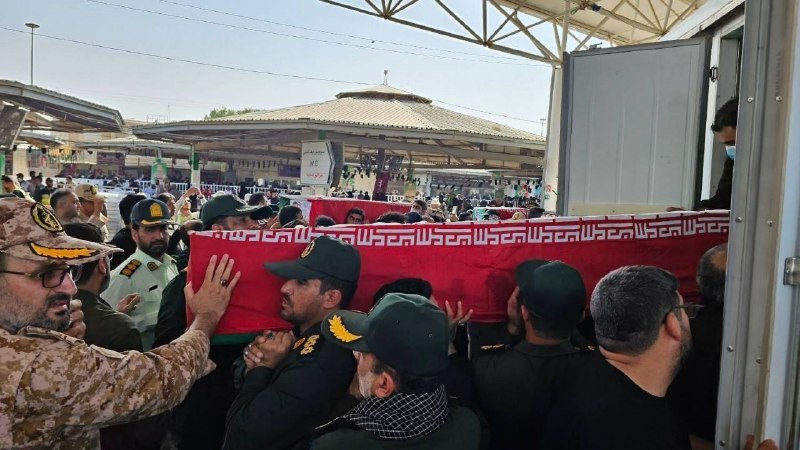
At roughly 13:13 UTC on 30 July 2026, the Telegram channel of Iran's Tasnim news agency carried a short line attributed to Abdul Malik al-Houthi, the leader of Yemen's Ansar Allah movement: the US and Saudi attacks on Iraq were, in his words, "treacherous and cruel." Within the hour, parallel relays appeared on Al-Alam at 13:14 UTC, on Clash Report at 13:25 UTC and 13:54 UTC, and on Open Source Intel at 13:54 UTC. Read together, the cluster amounts to a single packaged broadcast distributed across outlets sympathetic to the Houthi and Iranian lines, and the remarks are the most concentrated single airing of Ansar Allah's political framing since the 2024 maritime campaign.
Read as a piece of political work rather than operational signalling, the 30 July statements amount to a coherent thesis. Saudi Arabia is, in al-Houthi's telling, not an autonomous regional power but a service provider for an American-Israeli-British agenda in the region. Iraq is the latest proof case, with Iraqi security forces and civilians cast as the victims of a US-Saudi joint operation rather than as a stage for an Iranian-proxy dispute. The frame has been building inside Houthi discourse for years; what is notable is the willingness to package three separate handles, the livestock metaphor, the Iraq condolence, and the regional-order critique, into relays that landed inside a forty-minute window on 30 July.
The "milk cow" framing
The line that travelled furthest was the image of Saudi Arabia as a "milk cow" being drained dry and then slaughtered. As relayed by the Open Source Intel channel at 13:54 UTC on 30 July 2026 and by Clash Report at 13:25 UTC, al-Houthi attributes the framing to Donald Trump himself: "Trump himself says Saudi Arabia is a milk cow. They milk him until his udder runs dry, and then they slaughter him." The metaphor is deliberately crude, and the crudeness is the point. It strips away the polite diplomatic vocabulary of "strategic partnership" and "security cooperation" and replaces it with the language of a livestock transaction.
Monexus analysis: the rhetorical move is aimed less at Riyadh than at a Saudi and Gulf domestic audience that consumes Telegram content. By attributing the metaphor to an American president, al-Houthi offers a face-saving reframe for any Arab listener uneasy with the current US-Saudi relationship, the arrangement is not an Arab dignitary selling out for money, it is a foreign patron extracting from a dependent. The fact that the same line appeared on two separate Telegram channels inside the same hour suggests the broadcast was packaged for that distribution rather than for back-channel diplomacy.
Iraq as the proof case
The second move in the cluster was to fuse the Saudi critique with explicit solidarity toward Iraq. As carried by Tasnim at 13:13 UTC on 30 July 2026, al-Houthi called "the US and Saudi attacks on Iraq … treacherous and cruel." The Al-Alam version at 13:14 UTC extended the condolence to Iraqi security institutions and to "the dear warriors of this country and the families of the martyrs," phrasing that places Iraqi armed formations inside a community of fellow Arab combatants rather than treating them as proxies of a foreign occupant.
That matters because the Houthi line treats Iraqi territory as a co-belligerent space being struck by a US-Saudi operation, and it places Ansar Allah inside an Arab solidarity front with Baghdad. Monexus assessment: that is a deliberate bid to peel Iraq away from the Gulf Cooperation Council orbit and toward a Yemeni-Iraqi axis of opposition to the current security architecture. The Tasnim relay, coming from an Iranian state-adjacent outlet, signals Tehran's tolerance of that bid at minimum. The Iraqi strikes that al-Houthi was referencing are not specified in the cited Telegram posts, and this article has not independently established their date, location, or casualty count. The framing here rests on the broadcast itself and on the relays of it, not on independently sourced reporting about the underlying strikes.
The regional-order register
The third thread in the cluster is the most ambitious. As carried by Clash Report at 13:54 UTC on 30 July 2026, al-Houthi described the Saudi regime as "a partner with the United States, Israel, and Britain in pursuing Zionist agendas in the region." The cited excerpts use "Zionist agendas" and refer to efforts at "changing the map of the Middle East" and "creating a greater Israel"; the broadcast does not, on the cited evidence, itself use the phrase "colonial inheritance." That language belongs to this article's reading of the broadcast, not to al-Houthi's words as relayed.
Monexus assessment: the structural critique that the cited excerpts do carry, that the US-Saudi-Israel-British alignment is the organising category of the current regional order, is the frame that travels least well in Western chancelleries and best in the constituencies Ansar Allah is trying to reach across the Arab world. What is new is the willingness to package that critique inside a single broadcast window alongside an Iraq condolence and a livestock metaphor, in a way that gives a casual reader three separate handles to pick up. Whether that packaging persuades anyone outside the existing Houthi base is a separate question. The fact that it has been released at all is itself a piece of information: Ansar Allah is investing in regional framing rather than in missile performance, which suggests the leadership has concluded that the next phase of the confrontation will be fought in the court of Arab public opinion, not at sea.
What this changes, and what it doesn't
None of this alters the underlying military balance in the Gulf, the tanker traffic through Bab el-Mandeb, or the day-to-day posture of US Central Command. Al-Houthi's broadcast does not name a new target, claim a new strike, or threaten a new escalation in the cited excerpts. It is a piece of political work, not operational signalling.
What it does is set the rhetorical baseline for the next round. If US or Saudi air operations against Iraqi targets continue into August, Ansar Allah now has a ready-made script: the strikes are part of a regional alignment it calls a Zionist project, the Saudi role is that of a milked animal, and the Iraqi dead are framed as martyrs of that alignment. That script travels whether or not the underlying facts of any specific strike support it. The serious question for Western and Gulf policymakers is not whether al-Houthi's framing is accurate. It is whether they have an alternative frame ready for an Arab audience that is being offered one.
The cited Telegram posts do not specify which Iraqi strikes al-Houthi was referring to, when they occurred, or what the casualty count was, and this article has not independently established those details. The phrase "colonial inheritance" used in this article's analysis is this publication's reading of the broadcast, not a phrase carried in the cited relays. The framing of "US and Saudi attacks on Iraq" here is al-Houthi's characterisation as relayed by Tasnim, Al-Alam and Open Source Intel, not an independently corroborated description of the underlying strikes.
Wire provenance
This editorial synthesis draws on the following public wire/social posts:
- https://t.me/ClashReport/90997
- https://t.me/osintlive/560520
- https://t.me/osintlive/560519
- https://t.me/ClashReport/90994
- https://t.me/alalamfa/348207
- https://t.me/JahanTasnim/227621