Oil slides on Iran deal hopes as Tehran pushes back on bank-rumour chain
Brent crude moved lower on 3 August after a Reuters headline pointed traders at hopes of a US-Iran agreement; Tehran's Mehr News separately denied what it called false news about Bank Saderat Iran customer accounts.
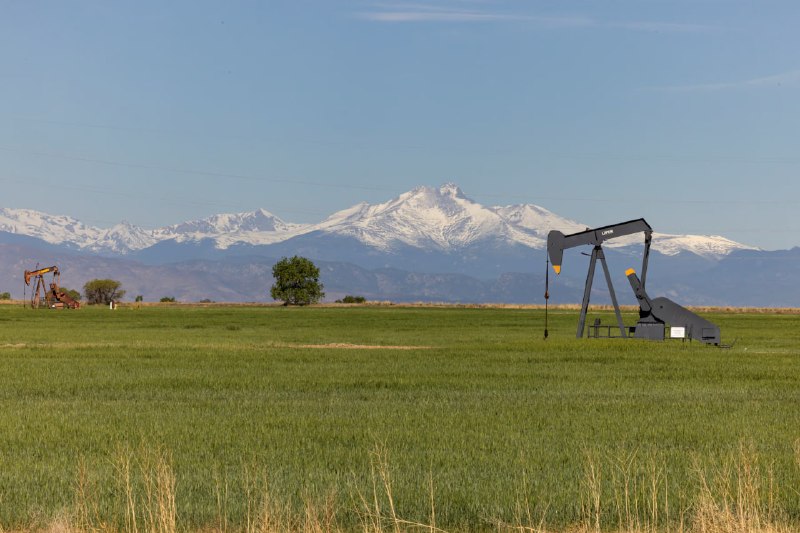
Brent crude moved lower in early Asian trade on 3 August 2026 after a Reuters headline reported that oil was slumping on hopes of an Iran deal, with the same dispatch noting that the yen was firming up after intervention. The pair landed within a minute of a separate, smaller item on the wire: a denial, on the Telegram channel of Iran's Mehr News, of what it called false news about Bank Saderat Iran customer accounts, with the post asserting that face-to-face and offline services at the lender were stable. Two stories, two speeds, and the same risk-off morning across Asian desks.
The oil leg is a derivatives-market interpretation of diplomatic rumour. The bank leg is a domestic Iranian information-management operation. They are running on parallel tracks, and the question for the rest of the week is whether the Reuters headline and the Mehr denial turn out to be about the same chain of information or two unrelated fires.
The oil tape reads the deal
Reuters reported at 05:30 UTC on 3 August that crude was slumping on hopes of an Iran deal and that the yen was firming up after intervention. The report did not, in the items available to this article, specify the size of the move or identify which officials had signalled progress, but the framing was enough to push positioning through Asian desks. Polymarket's contract on whether Washington and Tehran would enter a new round of peace talks by the end of the month has moved in the same direction: it sat at 32% on 1 August and had risen to 47% by 2 August, according to posts on the prediction market's official X account.
Read together, the two data points describe a market that is no longer asking whether talks are coming. It is asking whether a deal will actually be signed. That distinction matters because oil does not require a signed agreement to give up its geopolitical premium. It only requires a credible path to one. Monexus assessment: a move in Brent on a Reuters headline rather than a signed agreement is positioning rather than conviction. The 15-percentage-point swing on Polymarket over roughly 24 hours between the 1 August and 2 August updates is the more telling number; it is the kind of move that implies a specific catalyst, not ambient optimism.
Tehran puts out a smaller fire
Separately, Mehr News published a denial on its Telegram channel at 05:29 UTC on 3 August of what it called "false news" about Bank Saderat Iran customer accounts, asserting that face-to-face and offline services were stable. The wording, which framed the rumour as false news rather than as a technical incident, suggests Iranian financial authorities were more worried about retail panic than about a service outage. Monexus assessment: the Mehr post is itself the most concrete data point on the bank story; the available source items do not specify the origin of the rumour Mehr was denying, do not name the outlet that first carried it, and do not specify whether any accounts at Bank Saderat were in fact restricted at any point on or before 3 August. What the source items do show is a single state-aligned denial on the morning of 3 August, issued in language designed to close the story down rather than to explain it.
What Polymarket is and is not pricing
The counter-read is live. The same Polymarket contract still sat below 50% on the day of the Reuters report, and the history of US-Iran negotiations in this cycle suggests talks have a habit of stalling between headline and signature. The yen leg of the trade is not in itself a clean proxy for Iran risk; the Reuters headline grouped the two moves in a single dispatch, and the available items do not specify whether the yen leg was driven by Iran positioning, by Tokyo's posture on dollar-yen levels, or by both at once. The most natural read is that two risk-off currents flowed through Asian books in the same half-hour and ended up in the same headline, rather than that traders are treating intervention chatter and Iran deal chatter as a single thesis.
Monexus analysis: the absence of a named intermediary, a named venue, or a quoted official in the Reuters headline is the single most important fact about the morning's tape. Until one of those surfaces, the Polymarket swing and the Brent move are reading off rumour, not off disclosure.
The stakes, on both sides of the Gulf
For oil importers in Asia, even a credible path to a deal is enough to compress gasoline and diesel margins for the next several weeks, regardless of whether the headline is followed by a signed text. For Iran, the price action is welcome in the short run but cuts both ways: a lower crude print eases domestic inflation pressures while reducing the revenue the government depends on while the sanctions architecture is renegotiated. For Washington, the same market signal reduces the political cost of a softer line at the negotiating table and tightens the cost of walking away.
What remains uncertain is whether either side has committed to a date for the next round of talks, or whether the rumour that triggered Mehr's denial is connected to the same chain of information that lifted Polymarket and softened Brent. The Reuters report and the Mehr post landed within a minute of each other on 3 August, but neither names an intermediary or a venue, and the available source items do not specify the origin of the rumour that Mehr was denying. The Tehran side has the more immediate credibility problem: a denial issued in the language of false news is a posture, not a resolution.
Desk note: Monexus read this as two stories running on parallel tracks, not one. The oil move is a derivatives-market interpretation of diplomatic rumour anchored to a single Reuters headline; the Mehr denial is a state-aligned channel closing down a domestic bank-rumour chain on its own Telegram feed. The wire frames the oil leg; the regional and financial-stability desks will pick up the bank leg once an independent outlet surfaces a primary report on the rumour's origin.
Wire provenance
This editorial synthesis draws on the following public wire/social posts:
- https://x.com/Reuters/status/2084149789982081475
- http://reut.rs/4fTgbeF
- https://t.me/mehrnews/401772
- https://x.com/Polymarket/status/2083748116931449333
- https://polymarket.com/event/next-round-of-us-iran-peace-talks-byptptpt-20260623022722982
- https://x.com/Polymarket/status/2083649608199069730