Tehran floats a price for reopening Hormuz
Washington and Tehran are within a deal of reopening the Strait of Hormuz, but the terms now on the table, transit fees, security guarantees, European mine-clearance access and an end to the US naval blockade, show how far the chokepoint's politics have moved.
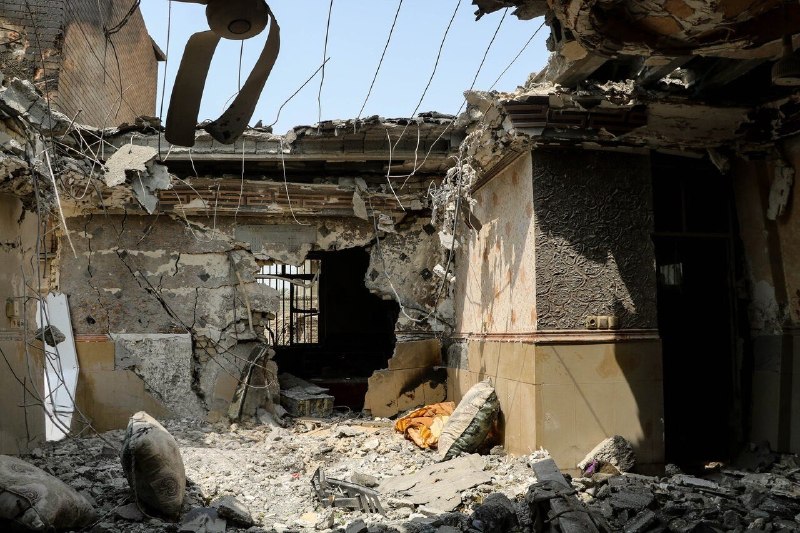
Four vessels went up in smoke on the Strait of Hormuz since President Donald Trump publicly threatened to "blow up one bridge or power plant" for each ship hit. By 4 August 2026 the tempo shifted: Tehran told intermediaries it would reopen the waterway in return for transit fees, written security guarantees against future attacks, an end to the US naval blockade, the release of impounded Iranian vessels, and, according to one summary, relief from US oil sanctions. Hours later, US Treasury Secretary Scott Bessent told reporters a deal could come "today or tomorrow."
The arithmetic of the world's most important oil chokepoint has been quietly rewritten in three months of escalation. On 4 August the US military said it had assisted more than 1,000 ships in crossing the Strait of Hormuz over the past three months. The same day, US officials signalled that any settlement would strip Iran of control over the waterway. Monexus assessment: the gap between those two statements, one logistics, one sovereignty, is where the deal will either close or collapse.
A chokepoint on a short fuse
The Strait of Hormuz sits between Iran and the Arabian Peninsula and is the principal sea route for Gulf oil exports. When Iran began striking commercial shipping there, after Trump's public threat, shipping risk began to compound. Per the Middle East Spectator channel's 4 August briefing, Iranian forces struck at least four vessels in the strait since the threat, a figure the available source items do not break down by flag, cargo, or specific date.
Behind the strikes sits a negotiating position. Iranian officials, relayed via a 4 August post on X by the Unusual Whales account, have set out five conditions for reopening the strait: transit fees on shipping, security guarantees against future attacks, an end to the US naval blockade, the release of impounded Iranian vessels, and relief from US oil sanctions. The Unusual Whales summary was truncated on X; the available source items do not specify the full text of any Iranian statement, nor which intermediaries carried it.
The military backdrop is no longer a sideshow. The 4 August update, distributed through the BRICS News Telegram channel, frames the escort mission as protection of commercial flow rather than a confrontation with Iran. The framing is deliberate: the ships are being assisted, not the strait being seized. That distinction matters in any future agreement.
What Tehran is asking for
Iran's reported asks are not symmetric. Transit fees are commercial and can be channelled through a third-party insurer or a Gulf port authority. Security guarantees are harder: any US pledge against future strikes inside Iranian territory has to survive a change of administration, which is why Tehran is reportedly pushing for written, multi-party cover. The release of impounded vessels is a measurable concession Washington can deliver without conceding the blockade's premise, if a blockade is what is in force.
The hardest item is the naval blockade itself. Iran is seeking its end. Whether a formal US naval blockade is in force is reported here as an Iranian negotiating condition rather than as an independently verified US policy fact; the available source items do not specify the legal status of any such measure. Monexus analysis: any deal that does not tie mine clearance to a sequenced Iranian stand-down of small-boat and shore-based anti-shipping capability is not a deal, it is a pause.
The European angle
European mine-clearance access is the most consequential new variable in this round of reporting. European NATO navies, particularly France and the UK, have the only navies outside the US with mine-countermeasures capability at scale and have operated in the Gulf before. Per a 4 August Polymarket post, Iran is reportedly considering letting European navies clear mines in the strait as part of any deal, an opening that signals Tehran wants the waterway technically functional but politically priced.
That is also why Washington is cautious. A multilateral arrangement with European mine-clearance at its core gives Tehran a second set of interlocutors, complicates any future US sanctions enforcement, and makes a blockade politically harder to reimpose. The available source items do not specify which European governments have been sounded out, nor whether Iran has named a price for the clearance itself.
Stakes and a deal to watch
If a deal lands within the 48-72 hour window Bessent signalled, the immediate market effect is downward pressure on tanker rates, marine war-risk insurance premiums, and crude benchmarks that have priced in extended disruption. A collapse, or a deal that does not include an enforceable mine-clearance sequence, leaves the strait functionally closed to commercial underwriters and pushes more crude onto longer Cape of Good Hope routes, with a multi-week lag in delivery.
The wider pattern is familiar: a US-Iran escalation that began with rhetoric, escalated through strikes on shipping, and now bends toward a transactional settlement that, on the terms reported today, locks in Iran's ability to charge for the strait's use. Whether that is read in Washington as a strategic defeat or a managed reprieve will determine whether a naval blockade stays on the table as a future lever or disappears from the toolkit altogether.
The most contested facts on the wire today are the number of vessels struck and their flags; the available source items give a count of at least four since Trump's threat but do not enumerate them. That is the number to watch as the deal text emerges.
Desk note: where some wires have framed the strait's closure as a unilateral Iranian provocation, this article treats Tehran's reported conditions and the European mine-clearance opening as part of the same negotiating picture the underlying source items support.
Wire provenance
This editorial synthesis draws on the following public wire/social posts:
- https://t.me/bricsnews/17512
- https://t.me/bricsnews/17511
- https://t.me/Middle_East_Spectator/35723
- https://x.com/unusual_whales/status/2084710207658344458
- https://x.com/Polymarket/status/2084667727445111238
- https://x.com/Polymarket/status/2084633006992441777