Visa revoked, envoy blocked: how a US-Brazil spat turned into a hemispheric row
Washington stripped Brazil's ambassador of her US visa after Brasília refused to clear President Trump's pick for envoy and denied visas to two American diplomats. The mechanism is routine; the timing is pointed, and it lands in an election year.
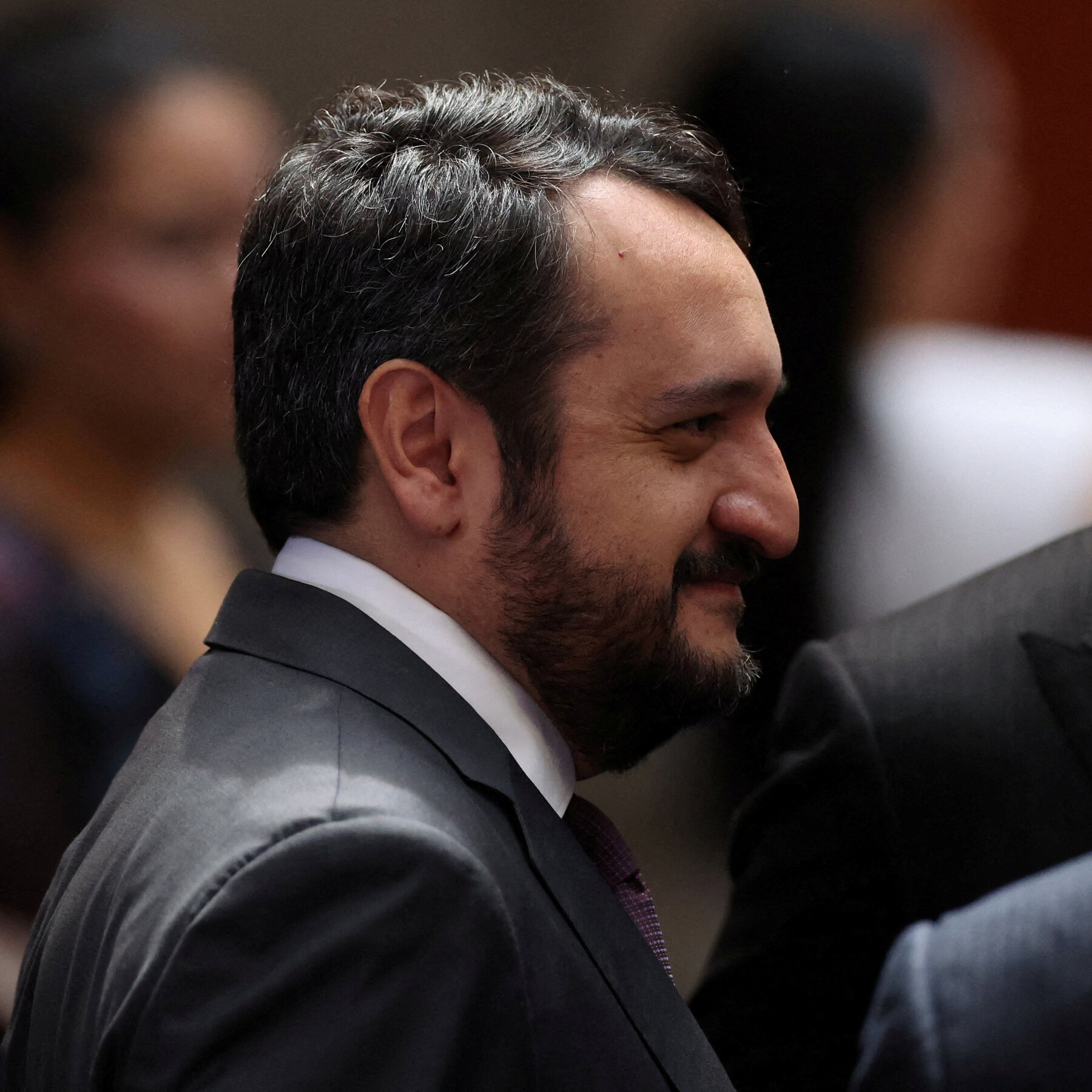
On 5 August 2026, the State Department revoked the US visa of Brazil's ambassador in Washington, according to Reuters and France 24 wire reporting. The move came hours after Brasília declined to formally approve President Donald Trump's nominee as US ambassador to Brazil and refused to issue visas to two American diplomats posted to the mission in Brasília. France 24 framed the exchange as an "escalating diplomatic standoff," with the State Department signalling the revocation would be reversed if Brasília approves Trump's nominee, ahead of Brazil's closely watched presidential election. Reuters confirmed the core facts in a wire sent at 02:30 UTC on 5 August 2026; CGTN's posting carried the same lines at 04:00 UTC. The episode is the most pointed bilateral flare-up between the hemisphere's two largest economies since Trump's return to office, and it lands at a moment when both governments are managing a long list of unresolved frictions.
What makes this row more than a procedural tangle is that it is being fought across three tracks at once. The ambassador's visa, the envoys' agrément, and two further visas for American diplomats have all been pulled into a single chain of retaliation. That is a deliberate compression. Each move on its own is reversible; the package is harder to unwind without one side conceding first.
A routine tool, deployed unusually
Visa revocations against sitting ambassadors are a recognised lever of diplomatic statecraft: the host country retains wide discretion over which foreign mission members it admits, and stripping a top envoy's travel document is a well-worn way to signal displeasure without breaking relations outright. The available source items do not specify whether Brazil's foreign ministry has previously revoked a US ambassador's visa; the France 24 and Reuters wires describe the US action but do not catalogue reciprocal precedent. What is unusual here is sequencing. Washington moved first on the ambassador's visa, but the underlying trigger, according to the wire reporting, was Brasília's prior refusal to advance the Trump nominee and to clear two American diplomats. In effect, the US is responding to a Brazilian action with a heavier version of the same instrument.
France 24 reported that the State Department conditioned reversal on Brasília approving Trump's pick. Reuters's write-up carried the same conditional language. Neither wire names the nominee. The available source items do not specify which two American diplomats were denied visas, which sections of the embassy in Brasília they were destined for, or the official Brazilian rationale for withholding agrément, leaving the operational impact on the mission unverified at this point.
What Brasília is actually fighting over
The immediate Brazilian objection sits inside a longer argument. Monexus analysis: the dispute becomes legible only if read as part of a broader pattern of friction between the Lula government and the second Trump administration, one in which the ambassador's agrément is treated less as a personnel question than as a theatre for measuring Washington's appetite to push on trade, sanctions architecture and Brazil's relations with Beijing and Moscow. The source items do not specify whether this broader pattern was invoked by Itamaraty in explaining the agrément delay; the framing is our editorial reading of how the nomination block sits within the wider bilateral agenda.
The counterpoint is simpler and may be the more accurate one. The available source items do not specify the Brazilian government's stated reason for withholding approval; the delay could be procedural rather than political. Either way, the optics matter more than the procedural detail: a sitting ambassador effectively declared persona non grata through a visa revocation is a public humiliation that neither ministry will want to wear, and the timing lands squarely in a Brazilian election cycle that France 24 flags as a constraint on how either side can climb down.
A hemispheric order under stress
Beyond the bilateral scoreboard, the row exposes a wider fragility. The Trump administration's second-term posture treats the Western Hemisphere as a managed backyard, with tariffs, sanctions and visa leverage used in tandem against governments it judges insufficiently aligned. Brazil is the largest counter-example: a continental economy, a BRICS co-anchor and a country whose southern Atlantic coastline the US Navy has strategic reasons to keep onside. That asymmetry is what makes the row a stress test rather than a skirmish. If the US is willing to use these levers on Brasília, the deterrent signal to smaller Latin American capitals is sharp; if Brazil holds out, the precedent for resisting US pressure grows.
Monexus assessment: the structural read is that both sides are treating diplomatic admission itself as a tool of leverage, and each has reason to climb down before the election calendar and the next UN General Assembly window make the standoff harder to manage. The wires underline the first of those constraints; the General Assembly reference is our read of the standard diplomatic rhythm that frames such rows, not a claim sourced from the available items.
What to watch in the next 72 hours
The next move sits with Brasília. A formal statement from Itamaraty naming a condition for restarting the agrément process would be the cleanest off-ramp; a reciprocal visa action against a senior US diplomat would escalate. The honest limit on what can be said now: the source items confirm the visa revocation, the Brazilian refusal to grant agrément and the visa denials for two American diplomats. They do not specify the names of the nominee or the two affected diplomats, the official Brazilian rationale, any third-party mediation attempt, or any market reaction. The disputed items that have appeared in other coverage, including prior visa-revocation precedents, references to sanctions already touching Brazilian officials, and any market commentary on the real or Bovespa, are not present in the source items this article is built on and are not asserted here. Until Itamaraty and the State Department publish fuller readouts, the dispute will be narrated through wire summaries rather than primary documents.
This article has been updated to reflect wire reporting as of 04:00 UTC on 5 August 2026. Monexus framed this as a bilateral diplomatic incident with hemispheric implications; the wire coverage has leaned on the procedural detail and on the conditional reversal language without yet addressing the underlying US-Brazil agenda driving the nomination fight.
Wire provenance
This editorial synthesis draws on the following public wire/social posts:
- https://www.france24.com/en/americas/20260805-us-revokes-brazilian-ambassador-s-visa-amid-escalating-diplomatic-dispute
- https://f24.my/C5em.g
- https://reut.rs/4wiRyhG
- https://x.com/Reuters/status/2084829265611124777
- https://news.cgtn.com/news/2026-08-05/US-revokes-Brazilian-ambassador-s-visa-in-diplomatic-rift-1Pm0oCqCsO4/p.html
- https://x.com/CGTNOfficial/status/2084851892073705931
- https://www.france24.com/en/americas/20260805-us-revokes-brazilian-ambassador-s-visa-amid-escalating-diplomatic-dispute
- https://f24.my/C5em.g
- https://reut.rs/4wiRyhG
- https://x.com/Reuters/status/2084829265611124777
- https://news.cgtn.com/news/2026-08-05/US-revokes-Brazilian-ambassador-s-visa-in-diplomatic-rift-1Pm0oCqCsO4/p.html
- https://x.com/CGTNOfficial/status/2084851892073705931