Hasina breaks her silence in Delhi, and Bangladesh answers with petrol bombs
Exiled former Bangladeshi Prime Minister Sheikh Hasina broke two years of media silence in Delhi. Dhaka called it an affront to sovereignty. Back home, rioters petrol-bombed a cricket legend's house for backing her.
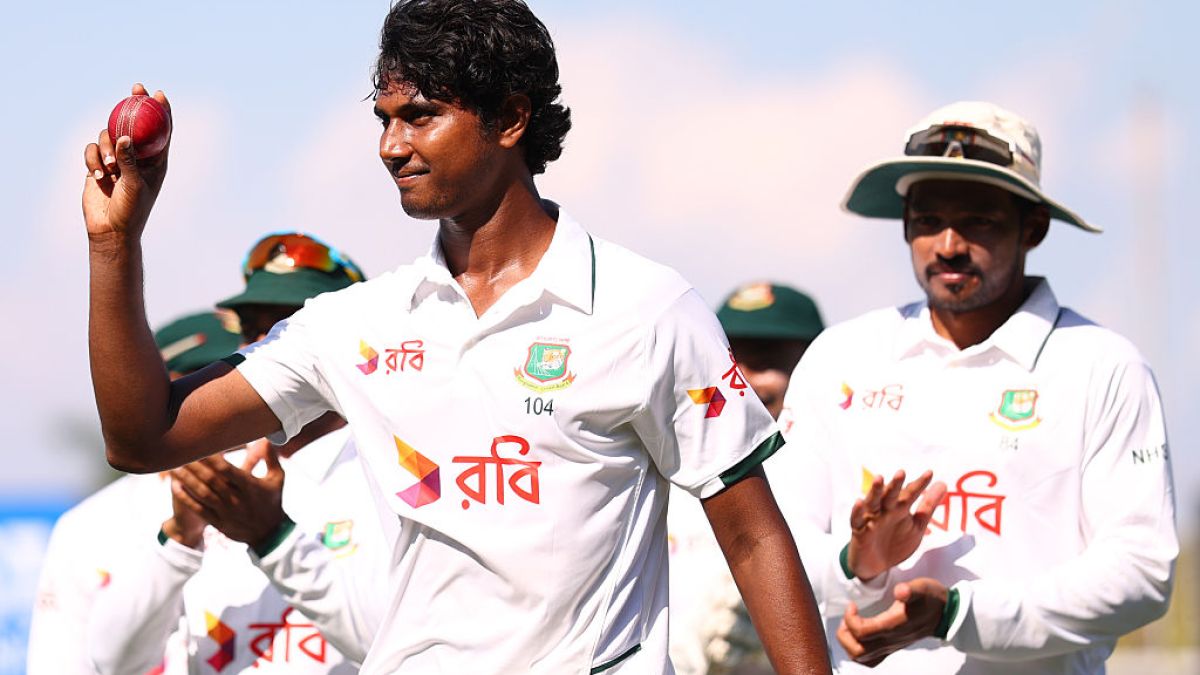
Windows were smashed and petrol bombs hurled at the residence of Bangladesh cricket captain Shakib Al Hasan on 6 August 2026, hours after he joined exiled former Prime Minister Sheikh Hasina's first public media interaction since she left Dhaka two years ago, Reuters reported [https://reut.rs/4wJ3Xfy]. The violence sat at one end of the same day. At the other, in Delhi, the 78-year-old Hasina, who has lived in exile in India since fleeing Bangladesh on 5 August 2024, told reporters she had watched her country suffer for two years and would return, according to the Hindustan Times [https://www.hindustantimes.com/world-news/sheikh-hasina-breaks-down-first-public-appearance-in-two-years-bangladesh-return-awami-league-india-101785933546231.html]. Bangladesh's interim government called the Delhi press conference an affront to sovereignty and reiterated its demand for her extradition, LiveMint reported [https://www.livemint.com/news/world/detrimental-to-bilateral-relations-bangladesh-slams-india-for-sheikh-hasinas-delhi-press-conference-11785976832175.html]. The Hasina question is no longer a backstage argument between two South Asian governments. It is bleeding into Bangladesh's streets.
The press interaction in Delhi reinserts Hasina as a public actor beyond the Awami League's exile networks, tests whether New Delhi is willing to keep hosting her, and at what visibility. It also hands Bangladesh's interim administration an external grievance to organise around at a moment when its own reform programme faces domestic pressure. The petrol bombs outside Shakib's house answer the second question with a clarity none of the diplomats in Dhaka or Delhi will relish: any Bangladeshi figure who publicly endorses Hasina now becomes a target.
The Delhi stage
The Hindustan Times account of Hasina's remarks frames them as a two-year vigil over national pain and a vow that she would, in time, return [https://www.hindustantimes.com/world-news/sheikh-hasina-breaks-down-first-public-appearance-in-two-years-bangladesh-return-awami-league-india-101785933546231.html]. The setting matters more than the script. By appearing not at an Awami League rally abroad but at a media interaction in India, Hasina turned New Delhi's hospitality into a public platform. That platform belongs to a sitting, recognised government in a neighbouring state.
For Awami League organisers, the appearance is relief and risk. Relief because Hasina is doing more than issuing written statements for the first time since her exit. Risk because the optics of being propped up by Indian state hospitality will be used against the party's remnants inside Bangladesh whenever elections approach. Nikkei Asia's read of the event is blunt: Hasina's pledge to return tests the India-Bangladesh relationship and Bangladesh's own political reset [https://t.me/NikkeiAsia/21225]. It is a stress test, not a press release.
Dhaka's response
Bangladesh's foreign ministry moved quickly, calling India's allowance of the press conference detrimental to bilateral relations and reiterating its long-standing demand for Hasina's extradition, LiveMint reported [https://www.livemint.com/news/world/detrimental-to-bilateral-relations-bangladesh-slams-india-for-sheikh-hasinas-delhi-press-conference-11785976832175.html]. The language is familiar from earlier extradition notes: sovereignty, accountability for 2024, refusal to normalise an exile. Two details make this protest different in tone. It follows a public media event, not a private consular exchange. And it lands as Bangladesh's caretaker government juggles trials tied to the 2024 unrest, an unsettled electoral timetable, and an International Crimes Tribunal process.
Monexus analysis: the complaint is multilateral in effect even if issued bilaterally. By tagging the Delhi interaction as the offence, Dhaka forces every regional capital, from Colombo to Beijing, to take a side on whether hosting an ousted leader at a press conference constitutes interference. That is exactly the framing Dhaka needs to keep the Hasina file in the diplomatic weather rather than the courtroom, where its own domestic cases are easier to manage.
The vigil inside Bangladesh
The Shakib Al Hasan attack is the second front. The cricketer, Bangladesh's most internationally recognisable modern sports figure, has been identified with Awami League-aligned causes in the cited reporting. Rioters who damaged his residence appear to have drawn a direct line between his visible support for Hasina and a licence to escalate. Reuters's wire characterised the act as smashed windows and hurled petrol bombs [https://reut.rs/4wJ3Xfy]. The cited source items do not specify arrests, injuries, or whether Shakib himself was present. They do specify that the attack followed his appearance with Hasina, not earlier activism.
There is an alternate reading worth weighing. Some of the violence at Awami League-associated properties since 2024 has been framed as the rough tail of a popular uprising, not a state-tolerated project. Monexus assessment: that reading is plausible as a description of participants; it strains as a description of a permissive environment. Protesters who throw petrol bombs at a single notable house on the day their cause goes international do so without obvious fear of consequence. That, more than any communique from Dhaka, is the policy signal worth reading.
What is left to verify
Three threads will determine whether this becomes a crisis or a flare-up.
- Whether New Delhi issues a formal response to the Bangladeshi protest, or settles for a junior-ministry signal. The cited reporting on Hasina's appearance does not specify any Indian official commentary on the press interaction, and this article has not independently established whether such a statement was issued.
- Whether the Shakib Al Hasan attack draws arrests and what charges they carry. Reuters names the violence but not the police response. A petition-friendly outcome would be arrests of organisers; a silence-friendly one would be the customary inconclusive file.
- Whether Hasina follows the press interaction with a written schedule of further appearances or retreats into silence. A one-off is a statement; a series is a campaign.
The file is live on the wire.
Desk note: This publication is treating the Delhi press interaction, the Bangladeshi foreign ministry protest, and the Shakib Al Hasan attack as a single causal chain because the cited reporting places them in a 6 August 2026 window and shares the Hasina question as trigger. Hasina's remarks have been paraphrased because the Hindustan Times account describes her as having broken down; this article did not want to put direct words into a moment her account summarises emotionally. Where the cited source items do not specify a detail (police response, Indian official reaction, Hasina's planned next steps), this article has said so plainly rather than inferred silence.
Wire provenance
This editorial synthesis draws on the following public wire/social posts:
- https://reut.rs/4wJ3Xfy
- https://www.hindustantimes.com/world-news/sheikh-hasina-breaks-down-first-public-appearance-in-two-years-bangladesh-return-awami-league-india-101785933546231.html
- https://t.me/NikkeiAsia/21225
- https://www.livemint.com/news/world/detrimental-to-bilateral-relations-bangladesh-slams-india-for-sheikh-hasinas-delhi-press-conference-11785976832175.html
- https://reut.rs/4wJ3Xfy
- https://www.hindustantimes.com/world-news/sheikh-hasina-breaks-down-first-public-appearance-in-two-years-bangladesh-return-awami-league-india-101785933546231.html
- https://t.me/NikkeiAsia/21225
- https://www.livemint.com/news/world/detrimental-to-bilateral-relations-bangladesh-slams-india-for-sheikh-hasinas-delhi-press-conference-11785976832175.html