Ukrainian drones hit Tatarstan oil hub in massed overnight barrage across 15 Russian regions
Russia said it intercepted 456 Ukrainian drones overnight across roughly 15 regions including Tatarstan, while Reuters reported at least 12 dead and wounded in a strike on the TANECO refinery in Nizhnekamsk.
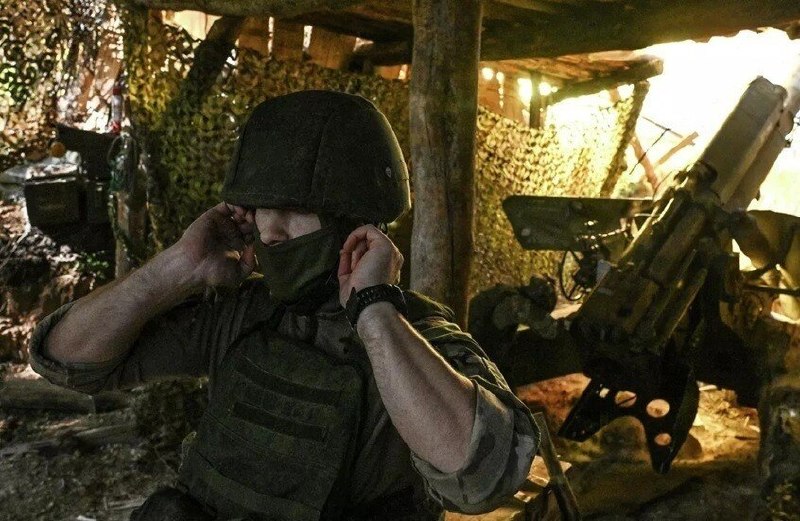
At least 12 people were killed and 39 wounded in a Ukrainian drone strike on industrial and civilian targets in Nizhnekamsk, the Tatarstan city that hosts the TANECO refinery, in the early hours of 10 August 2026, according to France 24's English-language service. The strike came inside a much larger overnight barrage in which Russia said its air defences intercepted 456 Ukrainian drones across roughly 15 regions, including Tatarstan in central Russia and annexed Crimea. The geography of the attack matters: Nizhnekamsk sits deep inside Russian territory, in a republic that has been insulated from much of the fighting, and the hit underscores Kyiv's stated focus on the infrastructure that finances Moscow's war.
The overnight barrage illustrates a shift in the war's strike calculus that has played out over months. Ukraine, lacking air superiority, has leaned into massed, low-cost drones. Russia, in turn, is now absorbing the same saturation tactics Moscow itself once deployed against Ukrainian cities. The result is a grinding contest of production lines and air-defence ammunition, fought far from the front lines and felt in refinery uptime and Russian domestic fuel markets.
A refinery in the crosshairs
TANECO is one of Russia's key oil refining and petrochemical centres, according to the Telegram channel noel_reports, which identified the complex as the specific target of the 10 August strike. Reuters, reporting via its X account, said at least 12 people were killed and injured at industrial and civilian sites in the city. France 24, on its English-language Telegram channel, gave the breakdown of at least 12 dead and 39 wounded. The available reporting does not specify the split between refinery casualties and civilian casualties, nor the operational status of TANECO's processing units in the hours after the strike.
What stood out on 10 August was the size of the package rather than the identity of the target. France 24, citing Russian defence statements, reported that 456 drones were intercepted overnight and that strikes hit industrial and civilian sites across around 15 regions including Tatarstan and Crimea. The scale matters less for any single drone than for the cumulative strain it places on Russian air defence and the political message it sends to regions that have been told the war is distant.
Reading Moscow's number
Russia's 456-drone interception figure should be read with the same scepticism applied to any combatant's accounting. The number comes from Russian defence briefings relayed by France 24, and it functions simultaneously as a battlefield update and as a domestic reassurance: look how many we shot down. Two structural caveats follow. First, "intercepted" in Russian usage is a broad category that includes jamming, soft-kill, and drones forced off course, not necessarily destroyed; the share that physically crashed or were shot down is not specified in the available reporting. Second, the figure being released at all is itself a signal: Moscow is at pains to demonstrate that its air-defence industry and layered posture are coping with the new tempo.
The counter-read, and the one more congruent with the visible damage at TANECO, is that interception rates above a certain density are no longer the relevant metric. What matters is throughput: how many drones get through, and what they hit when they do. On that measure, Nizhnekamsk is now an open line item.
What this is, structurally
The 10 August barrage fits a pattern Kyiv has been building for months: large, multi-axis overnight packages designed to dilute Russian air defence, hit oil and military-industrial sites deep inside the country, and force Moscow to spend interceptor missiles on cheap airframes. The economic logic, as widely discussed in Western and Russian outlets, is that Russian federal revenue still leans heavily on hydrocarbons, and that refining capacity, rather than extraction, has been a recurring target. Monexus assessment: strikes on refineries compress margins on the products that actually earn foreign currency; export-grade diesel and gasoline output, not crude production, has been the binding constraint on Moscow's wartime petrodollar flow. That is the working hypothesis rather than a settled finding.
The countervailing logic, less often stated in Western coverage, is that Russia has rebuilt and dispersed refining capacity, and that domestic fuel prices, while volatile, have not produced the kind of political shock that would force a strategic rethink in the Kremlin. Monexus assessment: the strikes are doing real damage at the margin, but the margin is not yet the message. Nizhnekamsk changes that calculation only if similar packages become routine rather than exceptional, and only if TANECO-grade downtime starts to show up in Russian customs and trading-data prints rather than just in Telegram video.
Stakes, and what to watch next
For Ukraine, the operational question is sustainability: can it sustain 400-plus-drone packages on a regular cadence without burning through a stockpile that is itself dependent on a small supplier base and stretched production lines? For Russia, the political question is whether regions that have been insulated from the war will continue to tolerate that insulation eroding. The available reporting does not specify how Tatarstan's leadership has publicly framed the strike, nor the precise casualty breakdown at Nizhnekamsk beyond France 24's count of at least 12 dead and 39 wounded.
The data points to watch in the coming days are specific. Russian customs data and trading-desk reporting on diesel and gasoline export flows from the Volga-Ural cluster will show whether TANECO's downtime registers in product availability. Ukrainian general-staff morning briefings will indicate whether 10 August was framed as a one-off or as the opening of a sustained campaign against Tatarstan's refining and petrochemical assets. And Russian regional governors' readouts, which have in past attacks emphasised air-defence performance and downplayed damage, will be the cleanest signal of how Moscow wants this story told at home.
The available reporting does not specify the precise casualty breakdown at Nizhnekamsk beyond the France 24 English Telegram's count of at least 12 dead and 39 wounded, nor the operational status of TANECO's processing units in the hours after the strike. The 456-drone interception count is a Russian defence figure relayed by French-language outlets and should be treated as a ceiling rather than a floor. What is unambiguous is the geography: Ukrainian drones, in a 456-strong package publicly acknowledged by Moscow, reached a Russian refinery city that until recently sat comfortably outside the conflict's reach.
Desk note: Western wires have led on the casualty figures and on the 456-drone interception claim, both Russian-sourced. This publication framed the strike as part of a longer Ukrainian campaign against Russian refining rather than as a singular event, and flagged Moscow's interception count as a domestic-reassurance signal rather than a neutral battle-damage assessment.
Wire provenance
This editorial synthesis draws on the following public wire/social posts:
- https://reut.rs/45jbRQP
- https://x.com/Reuters/status/2086721723404087650
- https://t.me/noel_reports/50843
- https://f24.my/C66e.g
- https://t.me/france24_en/18154
- https://www.france24.com/en/europe/20260810-hundreds-of-ukrainian-drones-target-russia-in-overnight-strikes