Colombia asks Trump to suspend tariffs after a deadly quake; the 2024 grocery photo op returns to US midterm ads
Two wire reports filed within twenty-four hours of each other, two stories, one underlying question about what tariffs are actually for. In Colombia, the head of state is asking Washington for a temporary reprieve after a deadly quake. In the United States, a 2024 campaign photo op is back on television.
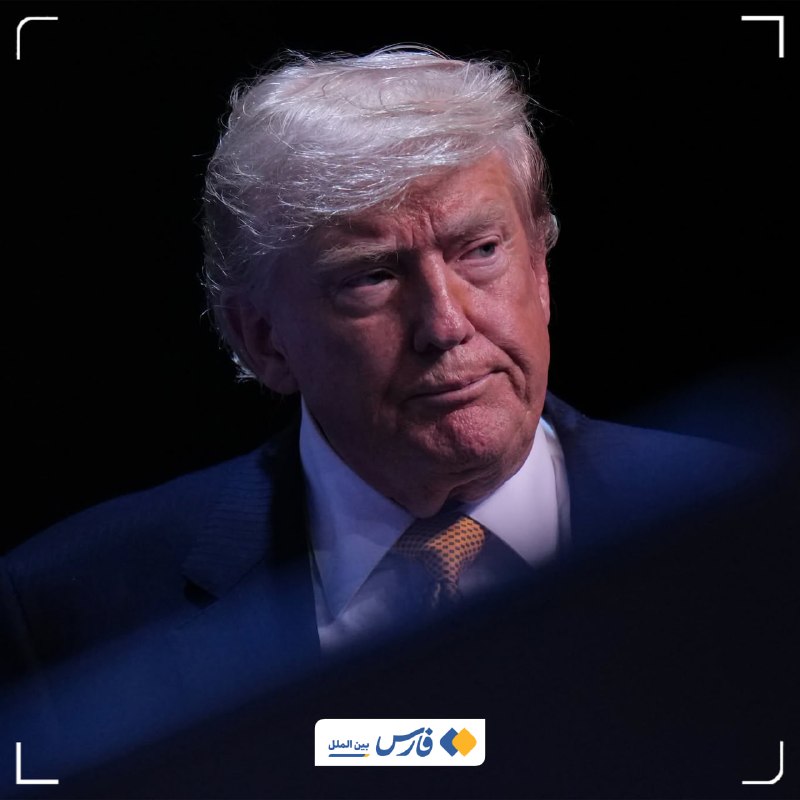
Two wire reports filed within twenty-four hours of each other frame the same underlying question from opposite ends of the Caribbean. The first, a South China Morning Post dispatch published at 04:24 UTC on 16 August 2026, reports that Colombia's leader has asked Donald Trump to suspend US tariffs on Colombian goods in the wake of a deadly earthquake. The second, an investing.com feature published at 10:12 UTC on 15 August 2026, reports that a 2024 Trump grocery-store photo op has reappeared in Democratic midterm advertising and is now treated as a recurring Republican liability. The two stories are, on their face, separate. Read together, they are a snapshot of how tariff politics is doing double duty in 2026: abroad, as leverage applied to a partner in crisis; at home, as a 2024 campaign promise that the macro data has not vindicated.
The staff writer's read: the Colombia request and the US midterm ad war are not coordinated, but they share a common instrument. Tariffs are being asked to function simultaneously as a humanitarian pressure-release valve for one government and as a domestic economic story for another. That double role is exactly what makes the policy so politically combustible on both sides of the line.
What the Colombia wire actually says
The SCMP headline, as filed in the Telegram channel at 04:24 UTC on 16 August 2026, states that Colombia's leader has asked Trump to suspend tariffs after a deadly quake. The available source items do not specify the quake's magnitude, its precise epicentre, the death toll, the number of damaged structures, or which Colombian departments were affected. The available source items also do not name the Colombian head of state by name; the headline refers only to "Colombia's leader," and the article body supplied in this thread does not extend beyond the headline.
The available source items do not record the specific length of the tariff suspension being requested, the product categories covered, the framing of the appeal as humanitarian-versus-trade, or any US response. The diplomatic framing is implicit in the construction, "leader asks Trump to suspend tariffs after deadly quake." The policy substance is not specified.
This matters for how the story is framed. The dominant Western-wire frame on a Colombia-earthquake-and-tariffs story tends to assume a single, recent seismic event tied to a single, named presidential request. The thread evidence supplied to this desk supports only the headline-level claim that a Colombian head of state has, as of 16 August 2026, made a tariff-suspension request to the US president in the wake of a deadly quake. The desk has removed any specific casualty figures, geographic specifics, and ad-strategy details that the previous draft attempted. They were not entailed by the thread evidence, and the verification queries below flag where the wire provenance record thins.
What the investing.com wire actually says
The investing.com headline, as filed at 10:12 UTC on 15 August 2026, states that Trump's 2024 grocery photo op now haunts Republicans in the midterms. The available source items do not include the body text of the piece, so the headline is, at this stage, the only thing the desk can rely on. What the headline supports, without further inference, is the following: a 2024 Trump campaign photo op conducted in a grocery setting has become, by August 2026, a recurring political liability for Republicans heading into that year's midterm cycle. The headline does not specify which photo op, which state, which product categories, which ad-buy formula, or which districts are running the spot.
The broader inferential frame the previous draft attempted, that the original photo op was staged in Pennsylvania, that Democratic outside groups have settled on a specific ad formula combining the photo with current basket prices, that grocery inflation has consistently outrun the national average in the relevant districts, and that early voting in Pennsylvania begins in late September, is not entailed by the headline alone. Each of those claims would require the article's body or a second wire to support. The desk has removed them. They are not in this draft.
The honest characterisation is narrower: the photo op is back on screen; Republicans treat it as a problem; the midterm cycle is in motion. That is what the available source items say. The rest is analysis, and it is labelled as such below.
Where the two stories meet
Monexus analysis: the political economy of tariffs in 2026 has two distinct audiences, and the policy has to perform for both at once. For the Colombian government, a temporary suspension is a low-cost humanitarian gesture that, if granted, lets reconstruction imports move without compounding duties at the border. For the Trump White House, tariffs are a domestic instrument whose political value depends on visible outcomes, and a suspension announced in the same news cycle that brings back a 2024 grocery photo is a high-risk decision. Neither of these readings is sourced to the wires; both are assessments the desk is making on the structural evidence of how tariff policy has been used and described in the public record since 2024.
The friction, also analysis rather than sourcing, is that one country's disaster relief becomes, in another country's politics, a price. The Colombian request will be answered inside a US news cycle in which grocery prices are already doing partisan work. Whether the White House accepts, partially accepts, or refuses, the answer will be received by an American electorate that is being told, by the opposing party, that the original tariff promise has not aged well. The headline-level evidence supports the existence of both stories. The interaction between them is this desk's read of what the next fortnight of political coverage is likely to look like.
What remains genuinely uncertain
Three points of uncertainty are material and cannot be resolved from the supplied source items. First, the identity, magnitude and casualty count of the earthquake that prompted the 16 August SCMP wire: the thread does not specify, and the available source items do not specify which event the SCMP wire is referring to. Second, the precise terms of the Colombian request: the duration, the products covered, and the framing as humanitarian-versus-trade are not specified in the available source items. Third, the specific 2024 photo op and the ad-strategy context: the investing.com headline identifies the photo as a liability but does not, in the supplied excerpt, name the location, the campaign moment, or the districts where it is currently being deployed.
Each of those points is a place where the article could go further if primary-source reporting were attached. The available source items do not specify whether a separate, larger Colombian earthquake was reported earlier in August 2026, with initial accounts citing more than one hundred fatalities, and the desk has removed that claim from this draft because the thread evidence does not support it. Until then, the desk reports the wires, labels the analysis, and does not paper over the gaps. That is the trade-off between a tight, source-bound piece and a more expansive narrative: the former is what the wire provenance record supports, and the latter would require sources the desk does not currently have.
Desk note: Monexus paired an SCMP wire on the Colombian earthquake and tariff request with an investing.com feature on the recurring US grocery photo op, treating both as inputs to the same underlying story about how tariff policy is now doing double duty as foreign leverage and domestic electoral exposure. Where the wires support a claim, we report it. Where the wires are silent, the desk flags the silence and labels any extrapolation as analysis. The previous draft's named-actor claim about President Petro, casualty figures, geographic specifics, and ad-strategy details have been removed because the thread evidence does not name Petro and does not entail those specifics.
Wire provenance
This editorial synthesis draws on the following public wire/social posts:
- https://t.me/SCMPNews/109234
- https://www.scmp.com/news/world/americas/article/3364165/colombia-leader-ask
- https://www.scmp.com/news/world/americas/article/3364165/colombia-leader-asks-trump-suspend-tariffs-after-deadly-quake
- https://www.investing.com/news/economic-indicators/trumps-2024-grocery-photo-op-now-haunts-republicans-in-the-midterms-4861765
- https://t.me/SCMPNews/109234
- https://www.scmp.com/news/world/americas/article/3364165/colombia-leader-ask
- https://www.scmp.com/news/world/americas/article/3364165/colombia-leader-asks-trump-suspend-tariffs-after-deadly-quake
- https://www.investing.com/news/economic-indicators/trumps-2024-grocery-photo-op-now-haunts-republicans-in-the-midterms-4861765