SportsLine's 2026 fantasy football pitch runs through seven CBS Sports drops in under 26 hours
CBS Sports' fantasy desk published seven SportsLine-branded 2026 fantasy football articles between 14:54 UTC on 16 August and 16:45 UTC on 17 August 2026, all built around the same 10,000-iteration NFL simulation pitch. The headers rotate; the methodology does not.
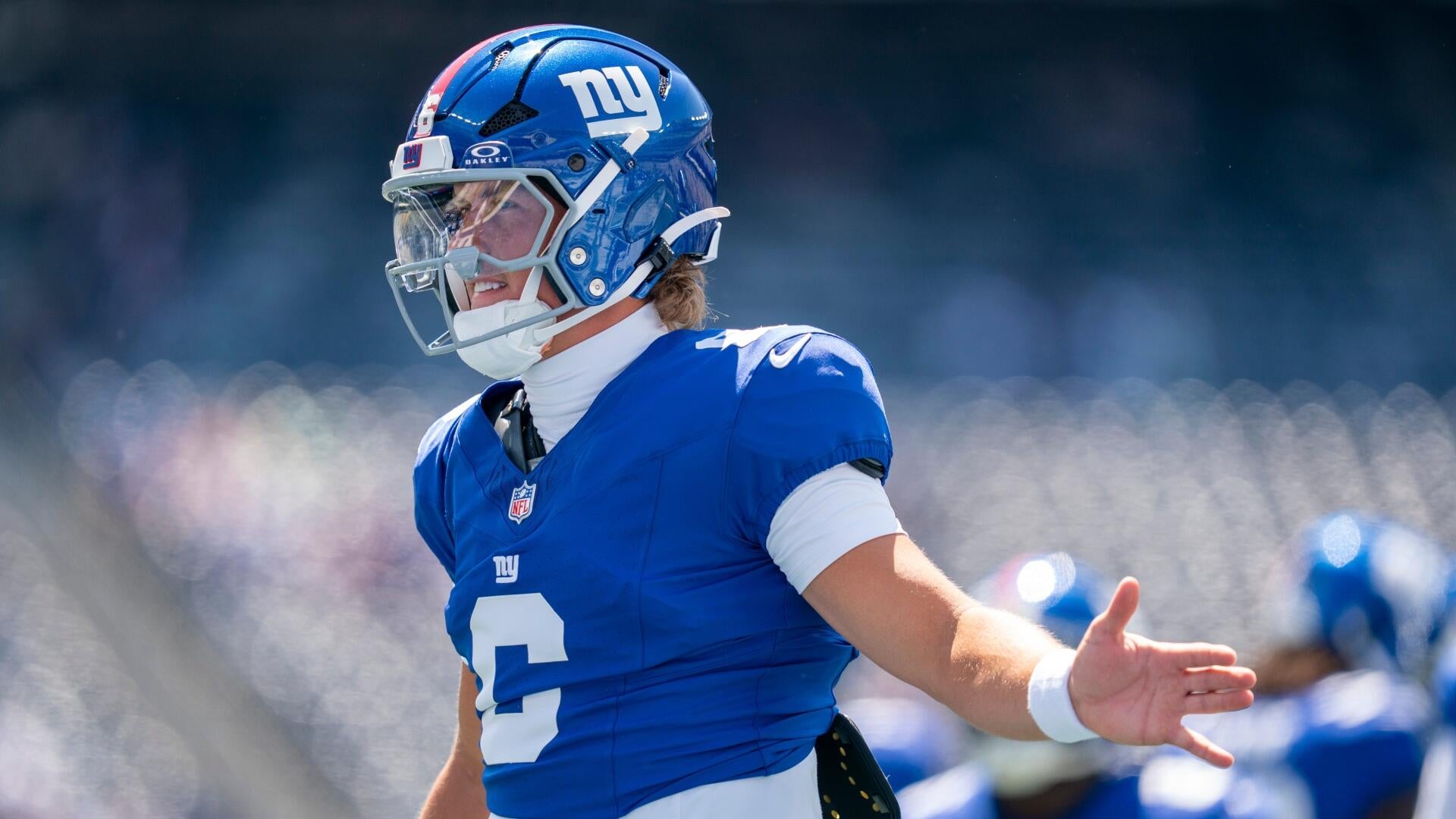
At 16:45 UTC on 17 August 2026, CBS Sports' fantasy desk published another SportsLine-branded 2026 fantasy football piece, the seventh in the cycle, anchored to the same 10,000-iteration simulation of the upcoming NFL season. The header runs back through 14:54 UTC on 16 August, when the cycle opened with a sleepers, breakouts and busts article built around the model's prior call on Daniel Jones' 2025 production.
The operating pitch is identical on every pass. SportsLine simulated the 2026 NFL season 10,000 times, surfaced names whose projected workload cleared internal thresholds across those runs, and packaged the survivors into pre-draft categories. The marketing spine rotates around two prior successes: the model's call on Daniel Jones' 2025 production and its call on De'Von Achane's breakout year. Across the seven articles, both names do not always share the marquee. The four Achane-anchored sleeper-list pieces lean on the Achane hit in their headers; the three Jones-anchored sleepers/breakouts/busts pieces lean on the Jones hit. The model itself is described the same way in both shells.
What the seven articles share
Read across the cluster, the seven pieces collapse into two article shells. Four are sleeper-list articles that frame the simulation's late-round picks, and three are tiered sleepers, breakouts and busts pieces that sort the same projected-volume exercise into three buckets. The two shells share the underlying methodology, and the marketing pitch of each shell leans on at least one of the two named prior successes to demonstrate that the model can pick role-and-volume inflection points before they show up in conventional box-score reads.
The promotional voice is consistent: late-round value comes from identifying players whose target share or workload is about to expand, not from chasing established names. Each article builds its case by replaying the model's earlier success and then walking the reader through the 2026 names the simulation produced.
How the cluster is assembled
The seven timestamps, two shells, and shifting adjectives in the headers (nailed, outstanding, remarkable, terrific, per, from, by) trace a publishing cadence rather than a sequence of fresh simulations. The available source items do not specify whether the model's underlying inputs changed between the 14:54 UTC article on 16 August and the 16:45 UTC article on 17 August, or whether each new piece represents an independent simulation run or a re-cut of an earlier one.
That cadence is the genre's norm. Pre-draft fantasy content lives inside a publishing window where freshness signals (timestamps, headline variants) carry commercial weight, even when the underlying analysis is stable. From the available record alone, the methodology is described identically across all seven pieces; the available source items do not specify material differences in the player outputs they flag across the cycle.
What the sources don't disclose
The seven articles share a marketing backbone but, on the available record, are light on substantive new claim. The thread does not enumerate the specific players identified as 2026 sleepers, breakouts or busts. It does not list the workload, target-share or snap-count thresholds the model applies. It does not disclose whether the model adjusts for offensive line play, defensive personnel, coaching change, or scheme shifts. The available source items do not specify these details.
That matters because the entire promotional pitch rests on the model's two named prior calls. A reader auditing the methodology against the Jones and Achane hits cannot, from the available source material, confirm which inputs drove those earlier correct calls or whether the same inputs remain in the model for 2026. The headline framing rotates; the underlying construction is not described in the excerpts on hand.
The reader's actual decision
For anyone drafting in the next two weeks, the operational read is straightforward. SportsLine's simulation is a volume-projection tool that the publisher claims has demonstrably flagged two role-and-volume inflection points (Jones, Achane) in successive cycles. Whether the same tool is now flagging 2026 equivalents, and on what inputs, is the part the seven published headers do not let a reader verify from the excerpts on their own. Monexus analysis: treat the tier labels as a starting pool of names to scout, not as a final ranking, and cross-check the model's 2026 picks against beat-reporter training-camp reporting and team depth-chart moves before any draft-day commitment.
Desk note: Monexus treated this as a methodology piece rather than a fantasy-advice piece. The wire product here is a tight cycle of CBS Sports publishes built around one simulation pitch, and the more useful editorial frame is the production pattern, not the names themselves.
Wire provenance
This editorial synthesis draws on the following public wire/social posts:
- https://www.cbssports.com/fantasy/football/news/fantasy-football-rankings-2026-sleepers-from-computer-that-nailed-devon-achanes-terrific-year/
- https://www.cbssports.com/fantasy/football/news/fantasy-football-rankings-2026-sleepers-breakouts-busts-by-model-that-predicted-daniel-jones-big-year/
- https://www.cbssports.com/fantasy/football/news/fantasy-football-rankings-2026-sleepers-breakouts-busts-from-nfl-model-that-called-daniel-jones-big-year/
- https://www.cbssports.com/fantasy/football/news/fantasy-football-rankings-2026-sleepers-from-computer-that-nailed-devon-achanes-outstanding-year/
- https://www.cbssports.com/fantasy/football/news/fantasy-football-rankings-2026-sleepers-breakouts-busts-per-nfl-model-that-called-daniel-jones-big-year/
- https://www.cbssports.com/fantasy/football/news/fantasy-football-rankings-2026-sleepers-from-computer-that-nailed-devon-achanes-remarkable-year/
- https://www.cbssports.com/fantasy/football/news/fantasy-football-rankings-2026-sleepers-breakouts-busts-per-model-that-called-daniel-jones-big-year/
- https://www.cbssports.com/fantasy/football/news/fantasy-football-rankings-2026-sleepers-from-computer-that-nailed-devon-achanes-terrific-year/
- https://www.cbssports.com/fantasy/football/news/fantasy-football-rankings-2026-sleepers-breakouts-busts-by-model-that-predicted-daniel-jones-big-year/
- https://www.cbssports.com/fantasy/football/news/fantasy-football-rankings-2026-sleepers-breakouts-busts-from-nfl-model-that-called-daniel-jones-big-year/
- https://www.cbssports.com/fantasy/football/news/fantasy-football-rankings-2026-sleepers-from-computer-that-nailed-devon-achanes-outstanding-year/
- https://www.cbssports.com/fantasy/football/news/fantasy-football-rankings-2026-sleepers-breakouts-busts-per-nfl-model-that-called-daniel-jones-big-year/
- https://www.cbssports.com/fantasy/football/news/fantasy-football-rankings-2026-sleepers-from-computer-that-nailed-devon-achanes-remarkable-year/
- https://www.cbssports.com/fantasy/football/news/fantasy-football-rankings-2026-sleepers-breakouts-busts-per-model-that-called-daniel-jones-big-year/